REVIEW · KUSADASI
Small Group Ephesus Full Day Tour with Lunch + Entry Fees
Book on Viator →Operated by Turkey Tours Company · Bookable on Viator
Ephesus in a few hours beats guesswork. You’ll hit Ephesus Ancient City with an expert guide who turns the stones into stories, and you’ll move between stops in a fully air-conditioned vehicle that helps on hot Turkish days. The tradeoff is simple: this is a high-value highlight route, so you won’t have all day to wander slowly or linger in only one corner.
A small-group format (max 14 travelers) keeps the day from feeling chaotic, and lunch is included so you don’t need to hunt for food mid-ruins. Pick-up and drop-off from hotels in Kusadasi or Selcuk makes it easy to start on time, with a schedule built to get you back—important if you’re connecting to a cruise.
In This Review
- Key things to know before you go
- Ephesus Ancient City: the Roman megacity you can actually understand
- Temple of Artemis: a short stop with big myth-power
- The House of the Virgin Mary: where faith and place names overlap
- Isa Bey Mosque: a 14th-century silhouette on the hills
- State Agora, Hercules Gate, and Vedius Gymnasium: the smaller stops that add up
- State Agora (about 15 minutes)
- Hercules Gate (about 15 minutes)
- Vedius Gymnasium (about 10 minutes)
- Lunch and heat management: the comfort part you’ll feel all day
- Price and logistics: why $117.95 can be fair
- Pickup from Kusadasi and Selcuk, and the extra-charge zones
- Guides, pacing, and the small-group ceiling
- Should you book this Ephesus full day tour?
- FAQ
- What is the duration of the tour?
- Is pickup and drop-off included?
- What extra charges apply if I’m staying outside Kusadasi/Selcuk?
- What’s included in the price?
- Does the tour include drinks?
- Are tips included?
- What language is the tour offered in?
- Is the group size limited?
- Is there a mobile ticket?
Key things to know before you go
- Max 14 travelers keeps the pace human and the guide’s attention easier to get
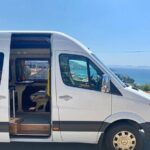
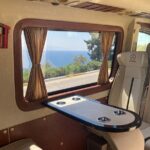
- Air-conditioned transfers help you stay comfortable while traveling between sites
- Lunch included means you can focus on ruins, not restaurants
- Mobile ticket is part of the package for smoother entry
- Stops include more than Ephesus (Virgin Mary’s House, Artemis, and Ottoman-era mosque sights)
- English guide for a day you can actually follow
Ephesus Ancient City: the Roman megacity you can actually understand
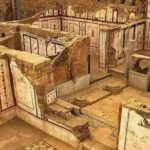
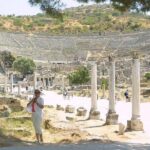
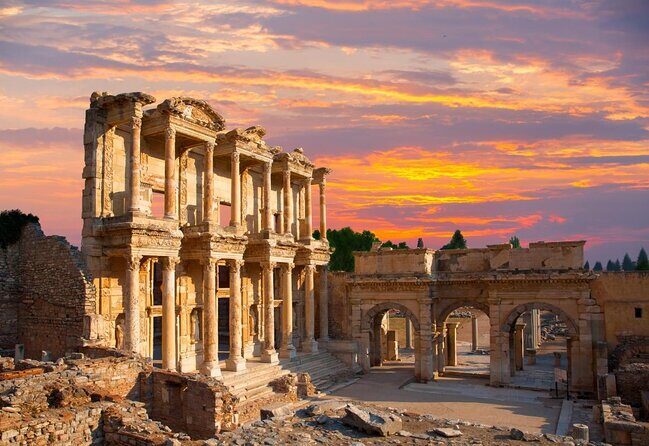
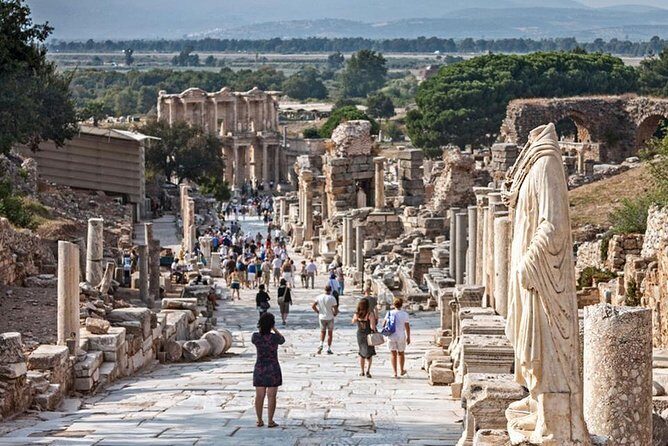
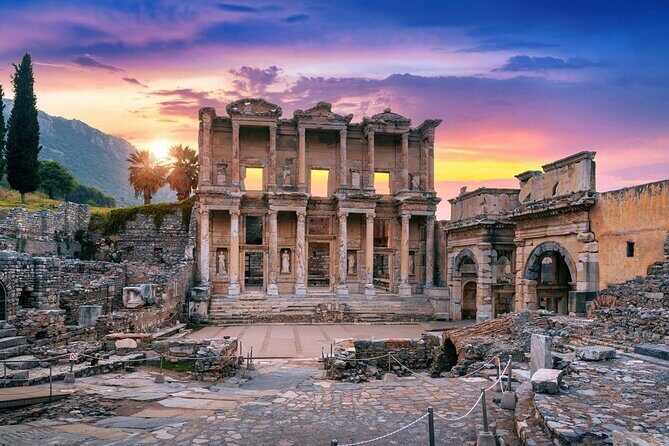
Ephesus is one of those places where the scale hits you before you even get the details. It was the second-largest city in the Roman Empire, with a population around 250,000 in the 1st century BC, and it functioned as a harbor city. That matters because Ephesus wasn’t just a religious stop or a sleepy town—it was a major engine of trade, politics, and public life.
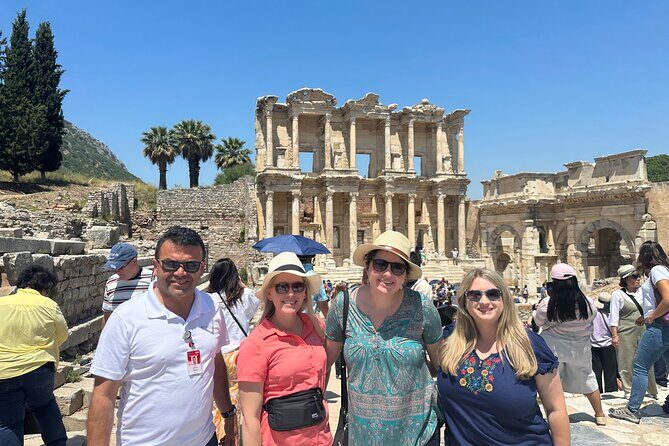
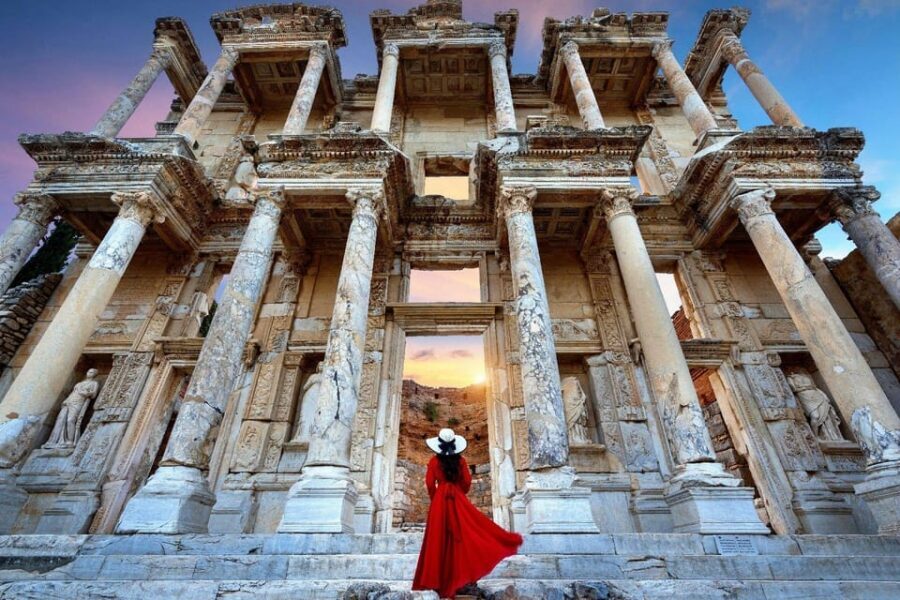
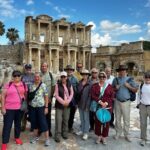
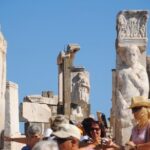
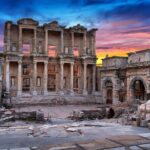
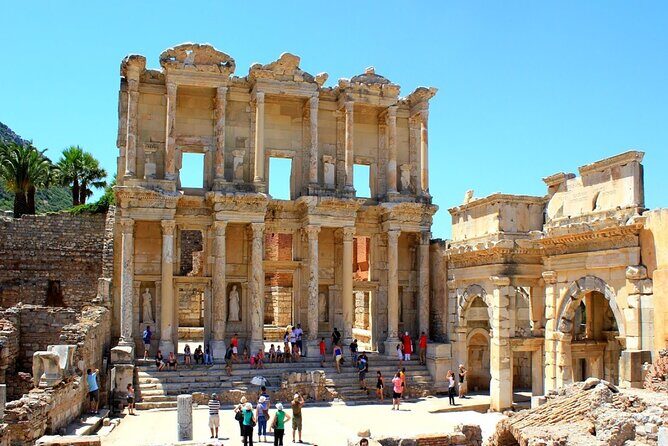
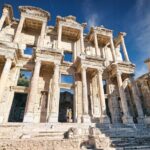
At this stop, the highlights are built into the route: you’ll get views around the Library of Celsus, the Great Theatre, and the Temple of Hadria (often linked to Hadrian). Even if you’re not a Roman-history superfan, you’ll notice how the city was designed for crowds—spaces for speeches, performances, ceremonies, and daily movement.
What I like about starting here: you set the context early. Once you understand what kind of city Ephesus was, the later stops (Agora spaces, gates, and gymnasium areas) stop feeling random.
What to watch for: this part of the day is naturally the biggest walking portion. Wear comfortable shoes and treat this as a “ruins + explanation” experience, not a casual stroll.
You can also read our reviews of more tours and experiences in Kusadasi

Temple of Artemis: a short stop with big myth-power
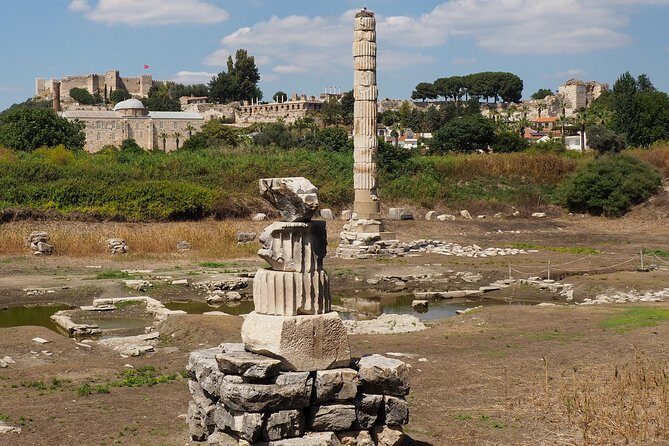
The Temple of Artemis (also called Artemision and Temple of Diana) is on the list for a reason. This was dedicated to the goddess Artemis, and it’s described as one of the seven wonders of the world. Even when you’re seeing it on a shorter timeline, it’s worth it because the temple’s legend explains why Ephesus mattered to more than just local politics.
You’ll spend about 30 minutes here, with admission noted as free in the plan. That short timing is useful. It lets you get the story and the sight without breaking the day’s rhythm.
My practical advice: use the time to ask your guide what the temple represented to the people of the region. In a highlight day, those “why it matters” answers make the difference.
The House of the Virgin Mary: where faith and place names overlap
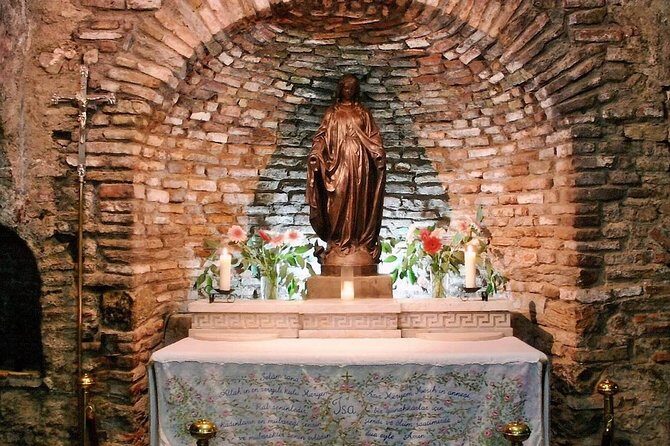
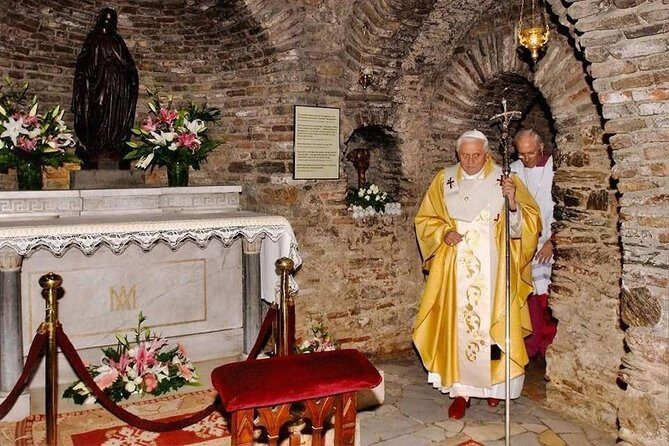
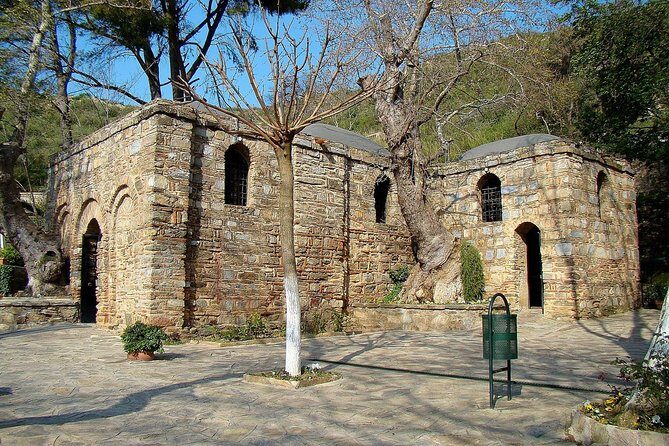
Next is a very different kind of stop: the House of the Virgin Mary. The plan ties the site to the belief that Mary, mother of Jesus, spent her last years of life here. That belief gives the place a quieter, more personal feel than the Roman ruins nearby.
You’ll have about one hour at the House of the Virgin Mary. The tour notes a 700 TRY entrance fee, and it also mentions you can pay the guide for skip-the-line tickets. Since the tour also states admission fees are included, the key is to confirm how your ticket will be handled on the day—especially if you care about saving time at the gate.
What I like about this stop: it slows the day down. After walking through public spaces of the Roman world, you get a setting people visit for spiritual meaning. That contrast keeps the day from becoming “just ruins.”
Isa Bey Mosque: a 14th-century silhouette on the hills
The Isabey Mosque is one of those stops that works well in a full-day tour because it adds variety. Built in 1374–1375, it’s identified as one of the oldest and most impressive examples of architectural work from the Anatolian Beyliks era.
You’ll also get a sense of location: it’s said to be on the outskirts of the Ayasuluk Hills in the Selcuk–Ephesus area. That hillside placement makes it feel like a transition point—moving from classical antiquity toward later layers of Anatolian culture.
Plan time is about 30 minutes, and admission is listed as free. If you like architecture, use this half-hour to notice how the mosque sits in the landscape and how the day’s theme shifts from Roman public life to later religious architecture.
State Agora, Hercules Gate, and Vedius Gymnasium: the smaller stops that add up
After Artemis and the House of the Virgin Mary, you’ll loop back into Ephesus through several compact stops. Individually, each one is brief. Together, they create a satisfying “how the city worked” picture.
You can also read our reviews of more tours and experiences in Kusadasi
State Agora (about 15 minutes)
The State Agora is described as being on the southern part of the Basilica, built in the Roman period in the first century BC. The big detail here is function: it wasn’t used for commerce. Instead, it was tied to business of government—discussion, decision-making, and civic talk.
The tour plan also notes that excavations in the northeast corner found many graves from the 7th–6th centuries BC, plus a stone-paved road and an archaic sarcophagus made of terra cotta. That mix is a reminder that Ephesus had older roots before the Roman era reshaped the streets.
Hercules Gate (about 15 minutes)
Next is Hercules Gate, located toward the end of Curetes Street. It gets its name from a relief of Hercules on the gate. Here’s the neat historical detail: the relief dates to the second century AD, while the gate itself is described as moved to its current spot in the fourth century AD.
A 15-minute stop can feel quick, but this one gives you a specific storyline: art on architecture, and the way objects get relocated over time.
Vedius Gymnasium (about 10 minutes)
Finally, the Vedius Gymnasium is visible as you enter the city area from the south entrance. Built around the second century AD, it’s credited to Publius Vedius Antoninus and his wife Flavia Papiana, and it’s described as being dedicated to both Artemis and Emperor Antoninus Pius.
The practical point: gymnasiums were the educational heart of youth life—lessons for art, sports, literature, drama, and speech. The tour notes features you can look for: a palaestra courtyard with columns and a hall of emperors with statues and floors covered with mosaics.
If you want value from a short schedule, these tiny stops are why this tour feels more than a quick photo run. They connect the city’s entertainment, politics, and education.
Lunch and heat management: the comfort part you’ll feel all day
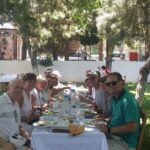
One included feature that I genuinely pay attention to is lunch. Here, lunch is part of the package, and the day is also set up with time buffers where you can cool off. In hot weather, the difference between a good and bad ruins day isn’t just the sights—it’s whether you can breathe between them.
The tour emphasizes air-conditioned transfers, and feedback tied to guides highlights pacing with timely breaks with AC. On a day shaped by walking and sun, that kind of planning is a real quality marker.
Bring the basics: water needs are not spelled out in the included list, and drinks are not included. Plan on getting water and anything else you need yourself so lunch doesn’t become the only pause you get.
Price and logistics: why $117.95 can be fair
At $117.95 per person, this tour isn’t cheap in the way a do-it-yourself bus ticket is cheap. But it’s priced like a guided day that’s meant to remove friction: you get professional guiding, a comfortable vehicle, lunch, insurance, and admission fees to all attractions per the package description.
That’s the value logic: Ephesus isn’t a one-ticket, one-stroll place. The site is split across multiple areas, and the House of the Virgin Mary plus additional stops like the mosque add more ground to cover. Paying for a driver and guide helps you keep the day organized, and the included entry fees reduce the “what does this cost today?” uncertainty.
Possible consideration: the plan also lists specific entrance fees for the House of the Virgin Mary (700 TRY) and for Ephesus entrance (40 €), with an option to pay the guide for skip-the-line tickets. That doesn’t mean the trip isn’t good value—it means you should double-check how payment works for your specific booking. If skip-the-line speed matters to you, ask ahead.
Tips and drinks aren’t included, so budget a little extra for that.
Pickup from Kusadasi and Selcuk, and the extra-charge zones
This tour includes hotel pick-up and drop-off from Kusadasi or Selcuk, and it’s described as near public transportation. That’s helpful if you’re staying slightly outside the most central areas.
If you’re booking from nearby places, the tour notes added pick-up charges:
- Sirince: 10 € charge
- Ozdere: 20 € charge
- Davutlar or Güzelcamlı: 20 € charge
The fine print you’ll want to respect is that pick-up areas can affect your total cost. If you’re on the edge of the service zone, it’s worth confirming pickup timing and where they meet your vehicle.
Guides, pacing, and the small-group ceiling
With a maximum of 14 travelers, you should expect a guide to keep things moving while still giving you chances to ask questions. That group size also helps with the logistics of entering busy sites and managing the day’s timing.
English-speaking guides lead the tour. The names Ceyda, Filiz, Baris, and Umut Kurt show up in the tour’s guidance experiences tied to storytelling, planning, and friendly explanations. You’ll feel the impact in two places: the way the Roman sites make sense and the way the itinerary is paced to avoid wasting time in heat.
One practical expectation: a day like this is built around major highlights, not deep scholarly education. If you want to spend a full day inside Ephesus itself, you may prefer a longer option. For a first visit, this is a strong way to get the key sights with explanations and comfort.
Should you book this Ephesus full day tour?
Book it if you want a guided highlights day that covers more than just one ruin cluster. The mix makes sense: Roman city power (Ephesus Ancient City), a world-famous sacred story (Temple of Artemis), a faith-linked place (House of the Virgin Mary), and later architectural layers (Isabey Mosque), plus short stops that explain how civic life worked (Agora, gates, gymnasium).
You should pause before booking if you dislike structured pacing or want to linger for hours in only one site. Also check the entrance fee/payment details for the House of the Virgin Mary and Ephesus entrance, especially if you care about skip-the-line time.
FAQ
What is the duration of the tour?
The tour is listed as 4 to 6 hours (approx.).
Is pickup and drop-off included?
Yes. The tour includes free pick-up and drop-off from all hotels in Kusadasi or Selcuk.
What extra charges apply if I’m staying outside Kusadasi/Selcuk?
If you book from Sirince there’s a 10 € charge. If you book from Ozdere it’s 20 €, and from Davutlar or Güzelcamlı it’s 20 €.
What’s included in the price?
Included items are professional tour guide, fully air-conditioned vehicle, lunch, insurance, and admission fees to all attractions (as stated in the package).
Does the tour include drinks?
No. Drinks are not included.
Are tips included?
No. Guide and driver tips are not included.
What language is the tour offered in?
The tour is offered in English.
Is the group size limited?
Yes. It has a maximum of 14 travelers.
Is there a mobile ticket?
Yes. A mobile ticket is included.