REVIEW · KUSADASI
Kusadasi Port Private Ephesus Tour with LUNCH
Book on Viator →Operated by Guided Ephesus Tours · Bookable on Viator
Ephesus is massive, so a plan helps. This private 3.5-hour tour from Kusadasi Port is built for easing you into the site without getting lost, with an expert guide and a small group up to 12. I love that you can set your own pace while still getting the key landmarks explained in plain, human terms.
Two things I especially like: the route from the upper gate down through the open-air city makes sense, and the big hits are covered without rushing. You’ll see the Library of Celsus and the Great Theater (still used today for concerts), plus stops like the Agora and Scholastic Baths that give the place texture, not just photos.
One possible drawback: the tour includes a guide and transfer, but entrance tickets are not included, so you’ll want to budget for gate admission on top of the tour price. It’s still good value, just don’t assume the $80 covers everything at the site.
In This Review
- Key highlights worth focusing on
- Why this Kusadasi-to-Ephesus tour is so practical
- Port pickup and air-conditioned transport (why it matters)
- Stop 1: Walking the Upper Gate to Lower Gate at your own pace
- What’s good (and what to watch for) on the main walk
- Library of Celsus and the Great Theater: the best photo stops with real context
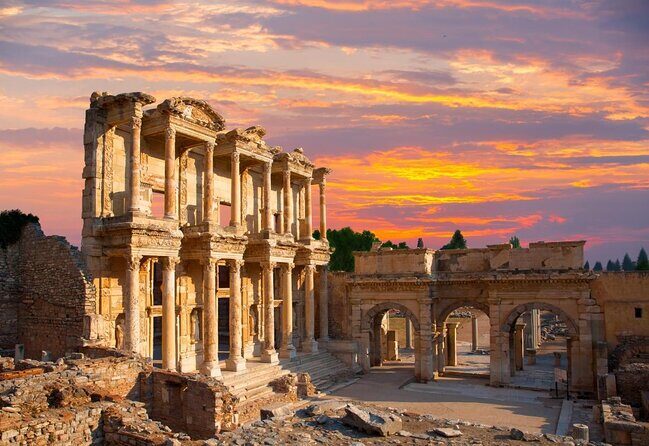
- Library of Celsus
- Great Theater
- Agora, baths, and fountains: Roman public life in walking distance
- Stop 2: Temple of Artemis for the Seven Wonders connection
- Lunch included: a real port-day advantage (and what to plan for)
- Flexibility: customizing without losing the logic of the route
- Price and value: what $80 gets you (and what it doesn’t)
- The guide quality piece: why it shows up in the reviews
- Who should book this tour
- Should you book this Kusadasi Port Private Ephesus Tour with LUNCH?
- FAQ
- How long is the Kusadasi Port Ephesus tour?
- Is lunch included in the tour price?
- Are entrance fees included?
- How big is the group for this private tour?
- Do I get pickup from Kusadasi Port?
- What happens if I cancel or need changes?
Key highlights worth focusing on
- Private guide for up to 12: easier navigation through a sprawling UNESCO site.
- Upper-to-lower Ephesus walking route: you get the story of the city in a logical flow.
- Major landmarks in one visit: Library of Celsus, Great Theater, Agora, baths, and fountains.
- Arcadian Way and famous-history stories: including Mark Antony and Cleopatra’s procession route (as told here).
- Temple of Artemis stop: brief, but meaningful—Seven Wonders context with the surviving foundations.
- Lunch included: a real time-saver on a port day, and drinks are not included.
Why this Kusadasi-to-Ephesus tour is so practical
Ephesus can feel like an endless open-air museum. Even if you’re a confident walker, the challenge isn’t distance alone—it’s priorities. There are a lot of ruins, and without guidance it’s easy to miss what matters most.
That’s where a private format helps. You’re not stuck with a rigid group routine. You’ll be moving through the site at your own pace, then regrouping when it’s time for the next big stop. A guide also helps you connect shapes and ruins to what they used to do—theatre for public performances, fountains for civic life, and libraries for education and status.
I also like that this tour works as a port-day plan. It’s designed around a realistic timeframe, with pickup from the port and a return trip back after your walk.
You can also read our reviews of more private tours in Kusadasi
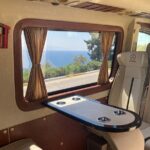
Port pickup and air-conditioned transport (why it matters)
This is round-trip transfer by air-conditioned vehicle from Kusadasi Port. For most people, that’s the difference between a smooth start and a day spent figuring out transit and meeting points.
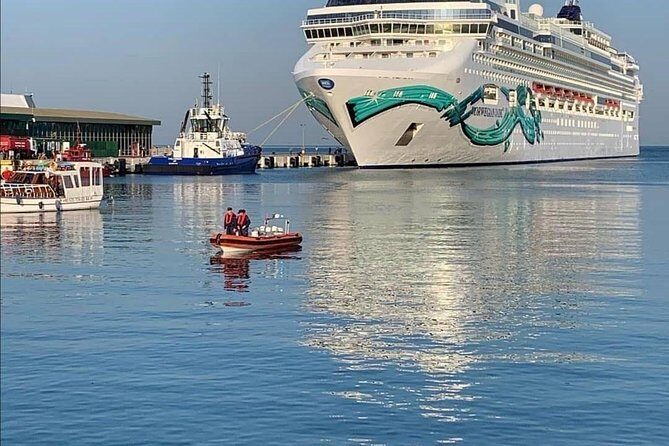
Your start point is at the port area (Ege Ports Parking, Camikebir, Liman Cd., Kuşadası). You’ll be picked up, travel to the Ephesus archaeological site, and then return to Kusadasi Port when the tour ends.
The private car also means less friction with timing. When your port schedule is tight, being able to leave without extra waiting is a big deal.
Stop 1: Walking the Upper Gate to Lower Gate at your own pace
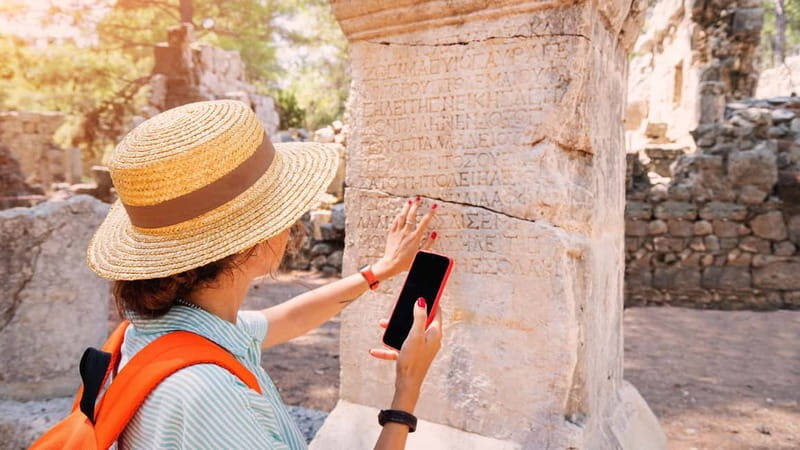
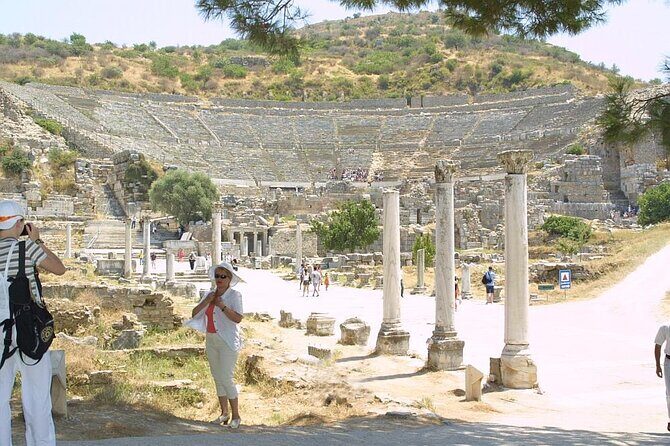
Your main time goes into the Ancient City of Ephesus, on foot, from the upper gate down toward the lower gate through the open-air museum area. The walking route is one of the smartest parts of this tour because it mirrors how most visitors want to see things: you progress through the city instead of bouncing randomly between far-apart ruins.
The guide sets you up at the entrance, and then you follow along while you choose where to linger. The itinerary highlights a lot of the core features, including:
- Odeon: a smaller theatre structure tied to public performances
- Agora: the civic heart, where daily public life played out
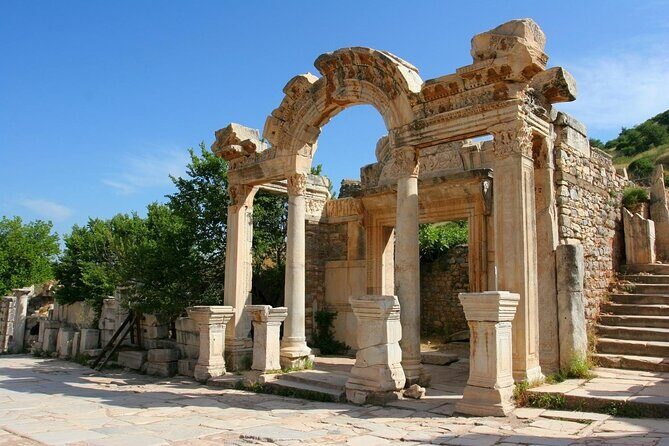
- Temple of Hadrian and Domition: major religious/civic references
- Fountains of Trajan: a standout civic moment
- Scholastic Baths: public bathing culture in Roman times
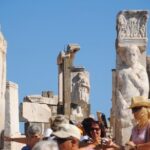
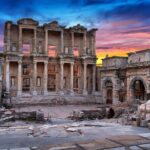
- Library of Celsus: the iconic façade that still grabs you instantly
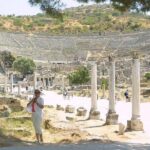
- Great Theater: seating for up to 25,000, and still used today for concerts
You’ll also walk along the Arcadian Way, described here as the procession route once associated with Mark Antony and Cleopatra. Even if those stories come to you as legend or tradition, that’s exactly the point: the guide connects the marble streets to famous names you’ve heard before, and suddenly you’re not looking at random stones.
What’s good (and what to watch for) on the main walk
This stop is about 2 hours on the clock, but it doesn’t feel like a sprint because you’re not racing a group. Still, you should expect uneven ground and lots of steps. Plan on wearing shoes you’d trust for real walking, not just “tourist sandals.”
Also, admission tickets aren’t included. The listing notes you’ll purchase tickets at the gate. If you’re thinking, I’ll just show up—do that, but expect a short wait as you get through ticket purchase and entry procedures.
Library of Celsus and the Great Theater: the best photo stops with real context
If you want two ruins that anchor your whole day, it’s these.
You can also read our reviews of more tours and experiences in Kusadasi
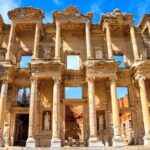



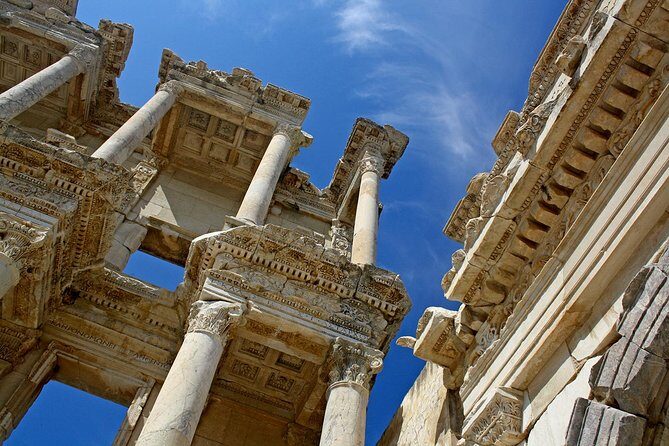
Library of Celsus
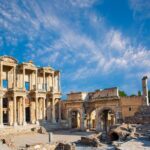
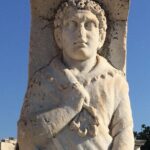
The Library of Celsus is the third-largest library in the ancient world, and in Ephesus it’s one of the most recognizable monuments. When you see it with a guide, you start noticing details that you’d miss on your own—the architectural logic, the way public buildings signaled power and learning, and why the façade matters even when so much is gone.
This is one of those spots where a guide does more than point. They help you look.
Great Theater
The Great Theater is another “wow” stop, partly because it was made for scale. With capacity for 25,000, it’s a clear reminder that this city wasn’t a small Roman outpost—it was a stage for major public events like plays, speeches, and gladiatorial combat.
The fact that it’s still used for concerts today makes it feel less like a ruin and more like an inherited structure. You can often picture what the space was designed to do: project voices, frame ceremonies, and gather crowds in a controlled, memorable way.
If you like theatre, architecture, or even just people-watching, this stop alone can justify the tour.
Agora, baths, and fountains: Roman public life in walking distance
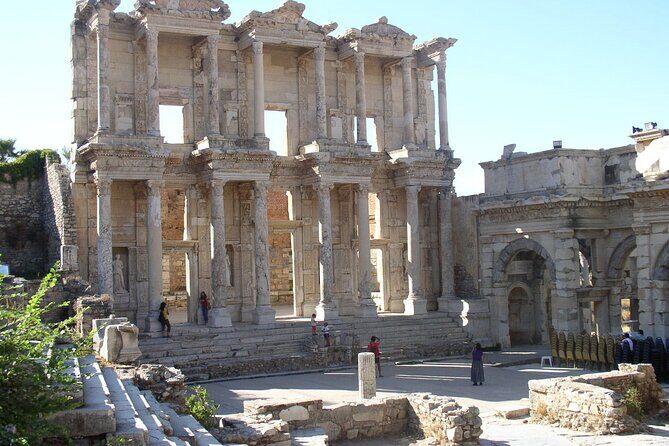
A lot of Ephesus visits stop at the biggest names and rush past the “in-between” areas. This itinerary keeps you moving through the parts that make the city feel lived-in.
- Agora is where civic identity lived—public debate, commerce, announcements.
- Scholastic Baths show how communal bathing worked and why it wasn’t just about hygiene. It was social time, status, and routine.
- Fountains of Trajan reinforce that public works weren’t an afterthought. They were center stage.
The guide adds stories tied to people believed to have visited Ephesus at its height—so you may hear about Alexander the Great and the Virgin Mary among others. The point isn’t to treat it like a documentary; it’s to understand why certain places in Ephesus gained religious and historical weight.
This is the kind of context that turns ruins from scenery into a story you can follow.
Stop 2: Temple of Artemis for the Seven Wonders connection
After the main walk, you switch gears to the Temple of Artemis, with about 30 minutes planned.
Artemis is one of the Seven Wonders of the Ancient World, and here the guide focuses on what’s left: chipped foundations and worn marble columns. That sounds bleak, but it’s actually a powerful way to see how time treats even monumental power. The surviving pieces let you understand the temple’s scale and significance without pretending the original structure is fully intact.
Thirty minutes is short, but it’s a realistic pairing with the rest of your port-day schedule. This stop works best if you treat it like a “meaning stop,” not a “spend hours here” stop.
Lunch included: a real port-day advantage (and what to plan for)
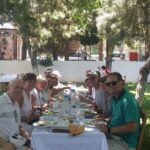
Lunch is included in the tour, which matters more than people think. When you’re on a cruise day, the hardest part is often not the sightseeing—it’s the timing and finding food while you’re on borrowed time.
The tour description also notes that drinks aren’t included, so you’ll likely want to budget for bottled water or other beverages during the day, especially in warm conditions.
Because the itinerary doesn’t spell out the restaurant or exact format, I’d treat lunch as a scheduled break rather than something you can research in advance like a restaurant reservation.
Flexibility: customizing without losing the logic of the route
One of the features is flexibility to customize your itinerary, and that’s where private guiding shines. You’ll still follow the main highlights, but you can steer small parts of the experience toward what you care about most—more time at the theatre for photos, a slower pace around the Library of Celsus, or extra attention on the Agora and baths.
With a group size capped at 12, the “customization” doesn’t turn chaotic. You’re not fighting for attention in a crowd.
And this matters if you’re traveling with mixed interests—some people want architecture, others want stories, and everyone wants time for photos that don’t look like a mad dash.
Price and value: what $80 gets you (and what it doesn’t)
At $80 per person, this tour is priced to feel doable on a port day, especially because several practical costs are bundled:
Included:
- pickup and drop-off at Kusadasi Port
- private guide
- air-conditioned round-trip vehicle
- lunch
- private tour for just your group
Not included:
- entrance fee at the gate
- drinks
- parking fee
- personal expenses
When you compare that, the value comes from how the tour saves you time and confusion. Paying for a private guide on a UNESCO site like Ephesus can feel pricey, until you remember the alternative: figuring out what to see, where to go next, and how to pace it without exhausting yourself.
Also, the tour notes a mobile ticket and group discounts, which can help if you’re booking with friends or family.
My practical advice: decide in advance whether you want the entry-ticket experience to feel guided (fast access with your guide) or whether you want to maximize your own exploration later. Because your schedule is built around the major stops, it’s easier to hit everything when you accept the tour’s flow.
The guide quality piece: why it shows up in the reviews
This experience earns top marks, and the strongest praise isn’t just about the site—it’s about the guide and how smoothly things start.
One name that stands out is Mr. Umut. In the feedback, he’s described as meeting exactly where stated after the company shared detailed info ahead of time. That’s the kind of detail that makes port days calmer. You’re not guessing. You’re not waiting with the stress dialed up.
The guides are also described as personable and making the day one of the favorites. In practical terms, that usually means you got clear explanations without feeling lectured and that you were allowed to enjoy the walking rather than endure it.
Who should book this tour
This is a great fit if:
- you’re doing Ephesus as a cruise port day and want structure
- you want a private guide to connect ruins to stories
- you like seeing the big landmarks and the supporting sites like baths and Agora
- you prefer a small group (up to 12) over big-tour crowds
You might choose something else if:
- you’re an ultra-fast self-guided walker who wants to spend extra time at just one area
- you dislike paying extra for gate admission after the tour price
Should you book this Kusadasi Port Private Ephesus Tour with LUNCH?
If your main goal is to see the real Ephesus highlights without turning the day into a logistics puzzle, this is an easy yes. The combination of private guide, air-conditioned round-trip transfer, and lunch included adds up to a smoother port experience than trying to piece it together on your own.
I’d book it if you value a guided route through the city’s key zones—Library of Celsus, Great Theater, Agora, and the Seven Wonders connection at Artemis—while still having the freedom to slow down where you care.
FAQ
How long is the Kusadasi Port Ephesus tour?
The tour runs about 4 hours total, with roughly 3.5 hours on the experience portion.
Is lunch included in the tour price?
Yes. Lunch is included. Drinks are not included.
Are entrance fees included?
No. Entrance fees are not included. You purchase admissions tickets at the gate.
How big is the group for this private tour?
It’s a private tour for your group, with size up to 12 people.
Do I get pickup from Kusadasi Port?
Yes. Pickup and drop-off at Kusadasi Port are included.
What happens if I cancel or need changes?
This experience is non-refundable and cannot be changed for any reason.
If you tell me your cruise arrival time (and whether you’re choosing morning or afternoon), I can suggest how to plan your day around the tour timing and help you avoid the most common port-day timing stress.