REVIEW · KUSADASI
SKIP-THE-LINE: Group & Private Ephesus Tour ENTRY FEE & LUNCH
Book on Viator →Operated by Turkey Tours Company · Bookable on Viator
Ephesus, timed to your cruise. That alone makes this outing different from the DIY scramble. You get a licensed guide, air-conditioned transport, and a tight route through Roman-era Ephesus highlights, plus the House of the Virgin Mary if you’re curious about the faith-based story.
I especially like two things: the tour’s cruise-port pickup-and-return focus, and the fact that you see major Ephesus sights in a single day without spending your whole vacation waiting at ticket lines. You’ll also end with a traditional Turkish restaurant lunch in a carpet-weaving village setting.
One consideration: parts of the day can include shopping-or-craft stops, and that’s not everyone’s idea of relaxing. Also, if you’re paying for entrance tickets on the day, you may need to plan around extra cash or credit-card time.
In This Review
- Key things I’d circle before you book
- From Kusadası Port to Ephesus: Pickup That Works With Cruise Reality
- Price and Ticket Options: The Real Math Behind the $7 Tour
- Entering Ephesus Ancient City: Celsus, Marble Streets, and the Big Amphitheater
- The Prytaneion’s Eternal Flame, Pollio’s Water Network, and Varius’s Baths
- Prytaneion: where ceremonial fire symbolism mattered
- Fountain of Pollio: how the city kept water flowing
- Baths of Varius: mosaics and the Roman water-temperature system
- Golden Fringe Lunch at a Carpet-Weaving Village (and the Craft-Stop Reality)
- Temple of Artemis and the House of the Virgin Mary: Two Kinds of Awe
- Temple of Artemis: a stop for the famous name
- House of the Virgin Mary: beliefs, not just stones
- Pace, Heat, and Listening: How to Get the Best Day Out of 4–6 Hours
- Should You Book This Ephesus Skip-the-Line Cruise Tour?
- FAQ
- How long is the tour?
- Where do you get picked up?
- Does it include lunch?
- Does the tour include entrance tickets and skip-the-line access?
- What are the entrance fees for the main sites?
- Is return to the cruise port guaranteed?
Key things I’d circle before you book
- Skip-the-line ticket options where your guide keeps entrance tickets ready at the ruins
- Cruise schedule priority, including a guaranteed timely return to the port
- Air-conditioned private transportation that makes the heat manageable
- A fast-hit Ephesus plan with anchor stops like Celsus Library, Hadrian Gate, and the Great Amphitheater
- Faith and archaeology in one loop, with both Artemis Temple and the House of the Virgin Mary
- Lunch at a carpet-village restaurant, plus chances to watch handcrafting of Turkish rugs
From Kusadası Port to Ephesus: Pickup That Works With Cruise Reality
This tour is built for cruise travelers. You’re picked up right where your ship docks in Kuşadası Port, with the team holding a board showing your reservation name. It’s a practical setup for a one-day visit when time can vanish fast.
Then the whole rhythm is designed around onboard schedules. You get guaranteed on-time return to the port, and the start time adjusts based on your ship’s docking and boarding windows. In plain terms: you’re not left guessing whether your driver will understand “late means we miss the ship.”
Another small win is the team uses private air-conditioned transportation, not a hot, slow bus that turns the drive into your day’s entertainment. Even in warm weather, it helps you arrive at the ruins still able to think, walk, and take photos.
You can also read our reviews of more private tours in Kusadasi
Price and Ticket Options: The Real Math Behind the $7 Tour
The listed price shows $7.00 per person, but the real total depends on which entrance-ticket option you choose. The tour description clearly separates the experience cost from the site entrance fees.
Here’s the split you need to understand:
- With an Entry Tickets Included option, the tour covers entrance tickets and your guide handles them ahead of time. The goal is skip-the-ticket-line privilege so you’re not stuck waiting at entrances.
- With an Entry Tickets Excluded option, you pay the entrance fees yourself on the day (cash or credit card), and the day remains more flexible if you don’t want every paid stop.
Two big fees are named:
- Ephesus Ancient City: €40.00 per person
- House of the Virgin Mary: TRY 500.00 per person
So how do you judge value? If you’re on a tight cruise day, the “tickets handled for you” option can be worth it. Waiting in line is time you can’t replace, and your guide is actively minimizing that risk.
If you’re on a more relaxed schedule and want control over what you pay for, the excluded option can make sense. It’s also helpful if the House of the Virgin Mary is not your priority, since you don’t have to pay for ruins you don’t want to see.
Entering Ephesus Ancient City: Celsus, Marble Streets, and the Big Amphitheater
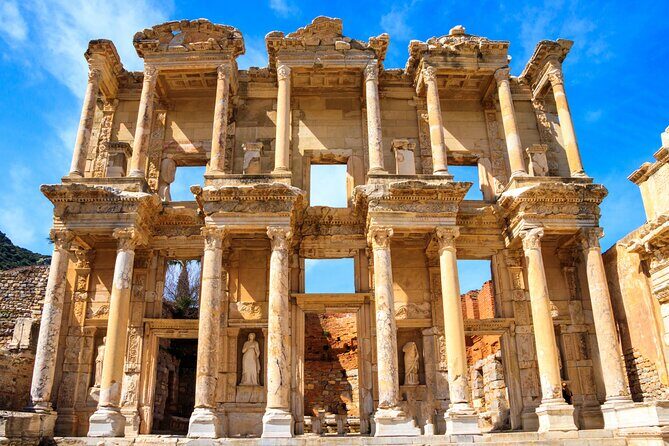
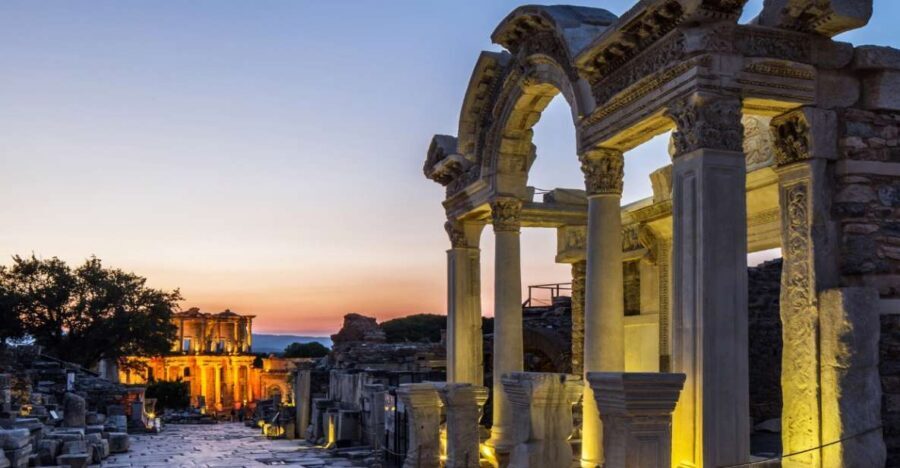
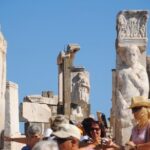
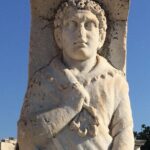
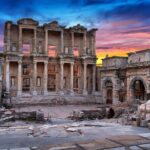
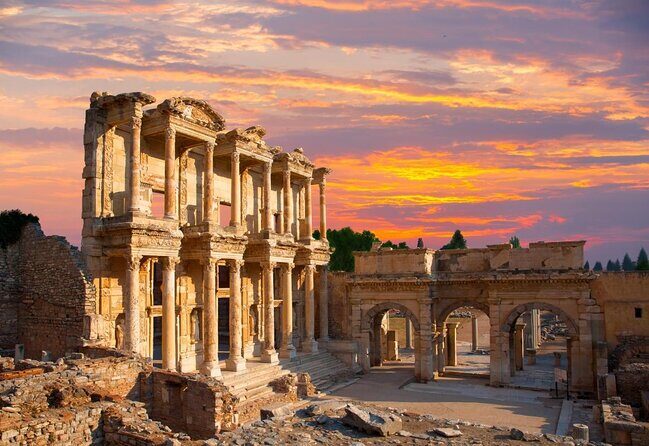
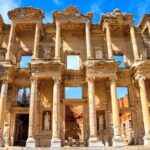
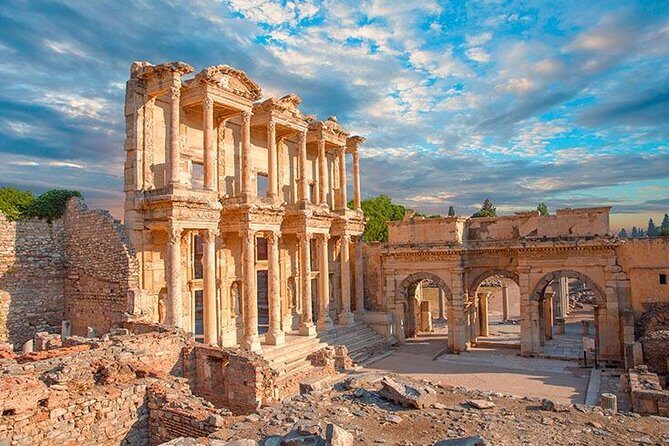
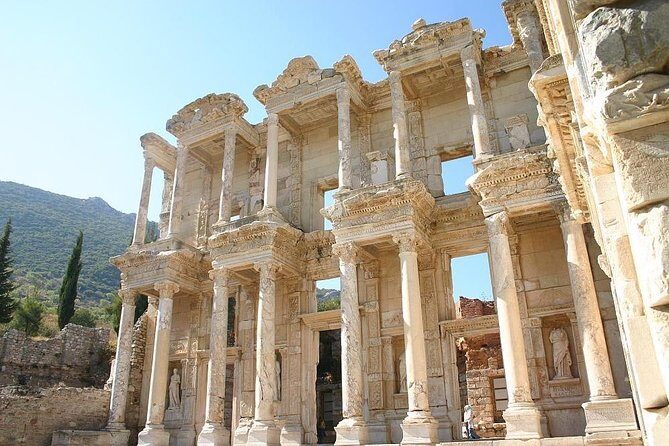
You spend about two hours at Ephesus Ancient City, and that’s the heart of the day. This is where you get the “wow” anchors: the Celsus Library (described as the third largest library), Hadrian Gate, Marble Street, and the harbor-area street views that explain how this place worked as a port city.
Ephesus is described as a major Roman-era power, with a population of over 250,000 in the 1st century BC, and it’s said to have been built largely in marble. Whether you measure your awe by scale or by details, the site is impressive in both ways.
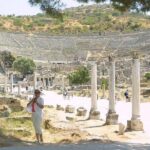
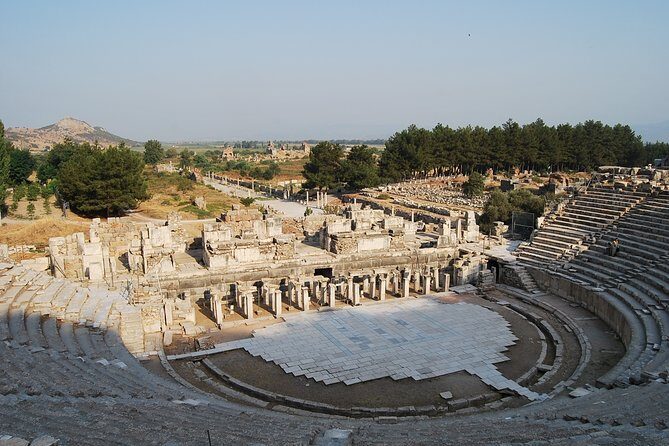
One stop you’ll feel right away is the large amphitheater, referenced as having seating for over 25,000. Even without perfect acoustics, the structure gives you immediate context for how public life worked there. If you care about theater and sound, you’ll likely find the guide’s stories useful for imagining performances in a space that size.
A practical thing: this portion is where you’ll want your camera ready, but also where you’ll want a comfortable pace. Ephesus is spread out. The two hours are enough for a strong overview, but not enough for a slow wandering “museum day,” so you’ll get more value by listening for the landmarks your guide points out.
The Prytaneion’s Eternal Flame, Pollio’s Water Network, and Varius’s Baths
After the main Ephesus sweep, the day keeps rewarding your attention with smaller, story-driven ruins.
Prytaneion: where ceremonial fire symbolism mattered
The Prytaneion is described as the place behind the basilica tied to religious ceremonies, official receptions, and banquets. The centerpiece idea is an eternal flame kept constantly alight, with the sacred fire location indicated by a red color on the floor.
You’ll also hear why this building matters historically: construction is placed to the 3rd century BC during Lysimachos’ reign, while the ruins you see are tied to the Augustan age. That mix of timelines is exactly the kind of detail that helps a ruin feel less like a pile of stone and more like a functioning building with rules and rituals.
You can also read our reviews of more tours and experiences in Kusadasi



Fountain of Pollio: how the city kept water flowing
The Fountain of Pollio is one of the best “how did they do that?” stops on the route. You learn that water was brought from multiple sources through aqueducts, then distributed through branching systems of baked clay pipes. The key point is that public fountains supplied free water, which mattered for everyday street life in hot weather.
It’s also tied to visible archaeology: the fountain is noted for statues, including a Head of Zeus that’s reportedly now in the Ephesus Museum, plus statue groups like Odysseus and Polyphemus that are also said to be displayed in the museum.
Baths of Varius: mosaics and the Roman water-temperature system
Then you get the Baths of Varius, Roman-period ruins dating to the 2nd century AD, with mosaics from the 5th century mentioned in a long corridor. The layout is broken into frigidarium (cold), tepidarium (warm), and caldarium (hot). That’s useful context because it gives your feet a reason to move from area to area: you’re seeing a whole system, not random rooms.
A small drawback to keep in mind: excavations aren’t said to be fully completed, so if you prefer fully restored sites, you might find some sections feel “in-progress.” For archaeology lovers, that’s part of the appeal.
Golden Fringe Lunch at a Carpet-Weaving Village (and the Craft-Stop Reality)
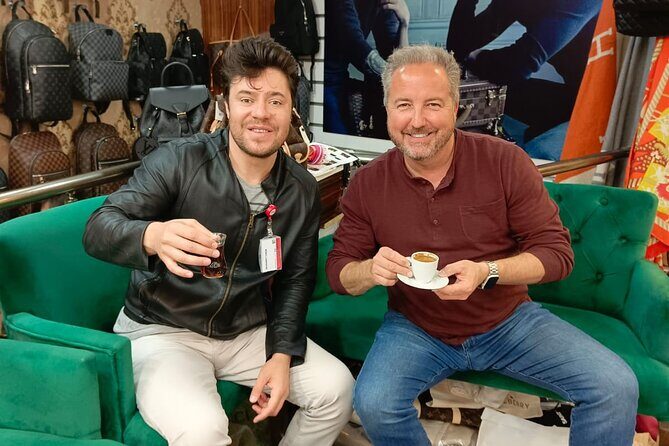
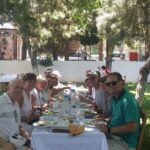
Lunch comes at Golden Fringe, where you get a traditional lunch at a carpet-weaving village. The tour description also promises time to watch skilled artisans crafting authentic Turkish rugs by hand.
This stop is valuable for two reasons:
- It’s a break from ruins with actual food, not just a snack.
- It explains the craft behind the carpets instead of treating it like a generic souvenir shop.
One thing to know, based on real feedback patterns: some visitors feel comfortable with the craft demonstration, while others say the day can feel like it turns into a sales pitch—especially when you’re tired from heat and walking. If you hate shopping pressure, you can still enjoy the lunch and watch the weaving, but keep your wallet closed until you’ve decided you actually want something.
Heat matters here too. One review advice stood out: bring plenty of water and something for shade. Even if you’re in an air-conditioned vehicle most of the day, afternoons in Turkey can feel relentless, and the Ephesus yards have limited shelter.
Temple of Artemis and the House of the Virgin Mary: Two Kinds of Awe
You cover both Temple of Artemis (Artemision) and the House of the Virgin Mary. That pairing is interesting because it mixes ancient Greek legend with later Christian tradition—two different ways people explain the sacred in this region.
Temple of Artemis: a stop for the famous name
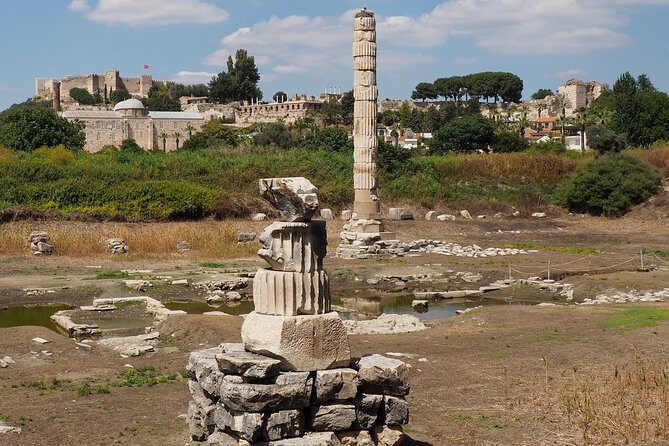
The Temple of Artemis is described as one of the seven wonders of the world, dedicated to the goddess Artemis (also called the Temple of Diana). It’s a short stop, but the point is clear: you’re visiting a place tied to a legendary list.
If you want more excavation-level detail, don’t expect it here. This is a quick, meaningful marker in the larger circuit of Ephesus.
House of the Virgin Mary: beliefs, not just stones
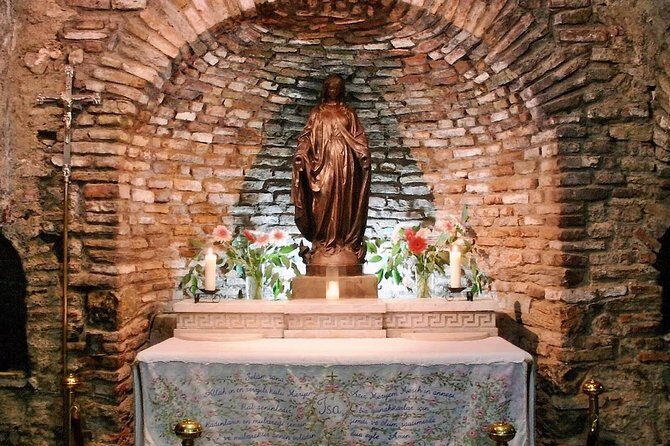
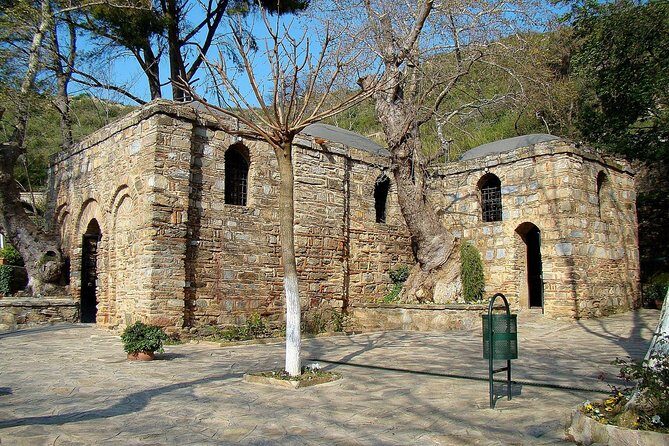
The House of the Virgin Mary is a faith-based stop tied to the belief that Mary spent her last years in Ephesus, arriving with St. John and living there from 37–45 CE until her Dormition/Assumption. It’s included for travelers who want the spiritual story connected to the site.
Here’s the balanced consideration: the Mary house experience can feel surprising if you expected only archaeology. The tour data is specific about the beliefs, so decide ahead of time whether you want that angle. If you choose the Entry Tickets Excluded option, you also have flexibility since you’re not required to pay for ruins you don’t want to see.
Pace, Heat, and Listening: How to Get the Best Day Out of 4–6 Hours
This outing runs about 4 to 6 hours, depending on your cruise timing and how the day flows between stops. That means you’ll get a lot, but you won’t get to linger forever at every stone.
You’ll want to:
- Wear good walking shoes. Ephesus paths can be uneven, and you’ll be on your feet for extended chunks.
- Plan for heat, especially if your cruise docks midday. Shade can be limited in open ruins areas.
- Stay close enough to hear your guide’s explanations if you like the story as much as the views. The tour is designed around a group flow, so stepping too far off usually costs you some context.
The upside is that you get an easy structure: pickup, a guided route through the major sights, lunch, then the final stops and a guaranteed return to the port. It’s the kind of day that works when your cruise is your only realistic window.
Should You Book This Ephesus Skip-the-Line Cruise Tour?
Book it if you want a guided, cruise-proof day that hits the biggest Ephesus sites, includes lunch, and reduces ticket-line stress with the skip-the-line ticket option. If you like history told with clear landmarks—Celsus Library, Hadrian Gate, the amphitheater—you’ll feel like the time is well spent.
Skip it (or choose ticket options carefully) if you only want archaeology and don’t want faith-based stops, or if shopping-craft time feels like a dealbreaker. You can manage that by selecting the option that gives you more control over which paid sites you enter.
FAQ
How long is the tour?
It runs about 4 to 6 hours, depending on your cruise docking and boarding times.
Where do you get picked up?
Pickup is from Kuşadası Port, at the port exit area, where you look for your reservation name on a board.
Does it include lunch?
Yes. Lunch is included at a carpet-weaving village restaurant and is described as a deluxe lunch.
Does the tour include entrance tickets and skip-the-line access?
There are options. If you choose Entry Tickets Included, you pay at booking and your guide keeps tickets ready to help you avoid waiting in the ticket queue. If you choose Entry Tickets Excluded, you pay entrance fees on the day.
What are the entrance fees for the main sites?
The tour data lists Ephesus Ancient City at €40.00 per person and the House of the Virgin Mary at TRY 500.00 per person.
Is return to the cruise port guaranteed?
The tour description states a timely return to the port is guaranteed, aligned to your cruise schedule.
If you want, tell me your cruise ship arrival time and whether you’re leaning toward paying the entrance fees at booking or on the day. I’ll help you pick the best ticket option for how tight your schedule feels.