REVIEW · KUSADASI
Kusadasi: Ephesus & Temple of Artemis Tour with Entry Ticket
Book on GetYourGuide →Operated by Tour Altinkum · Bookable on GetYourGuide
Two ancient hits, one fast cruise outing. This tour links the big Roman showpieces of Ephesus with the surviving footprint of the Temple of Artemis, and it’s built around getting you back to your ship on time. Guides like Ahmet, Aysel, Celine, and Aiden are repeatedly praised for keeping the story clear and the pace right for a hot, crowded site.
I like the way the guide connects the ruins to real people and turning points. You’ll hear early-Christian context tied to sites such as Mother Mary and St. John in Ephesus storytelling, plus the mention of St. Paul and why this region matters.
One possible drawback: the Temple of Artemis is mostly gone now. You’re visiting the foundation and one column, so your payoff is history and interpretation, not standing in front of a full intact temple.
In This Review
- Key things to know before you go
- Cruise-port pickup and getting to Ephesus without stress
- Ephesus: the open-air museum where streets still show the past
- Great Theatre: where St. Paul and gladiators share the same air
- Photo tip
- The Library of Celsus facade: the most photographed face for a reason
- Other Ephesus sights you might spot in your guided walk
- A real-world note about walking
- Temple of Artemis: what’s left of the ancient wonder
- What makes this stop worth your time
- Entry tickets, skip-the-line, and what you may pay in cash
- Price and value: what $27 buys you on a cruise day
- Group size, guide style, and how the tour stays readable
- What I’d watch for
- Optional add-ons you might encounter on certain departures
- Who should book this Kusadasi Ephesus and Artemis tour
- Should you book this tour or pass?
- FAQ
- How long is the Kusadasi Ephesus and Temple of Artemis tour?
- Where is pickup and drop-off in Kusadasi?
- What sites does the tour include?
- Are entry tickets included?
- What do I need to bring?
- What languages are the tours offered in?
Key things to know before you go
- Cruise-safe timing: around 3.5 hours total, with return to the port area after your Ephesus and Artemis visits
- Skip-the-line help: your guide has pre-paid skip-the-line tickets to reduce waiting at busy entrances
- A guided route through Ephesus highlights: including the Great Theatre and the restored Library of Celsus facade
- Christian and Roman connections: the tour frames the sites with stories that include St. Paul and early Christians
- Artemis is a reality check: only the foundation and one remaining column survive from the original wonder
- Small-group or private options: you can choose the size that fits how you like to travel
Cruise-port pickup and getting to Ephesus without stress
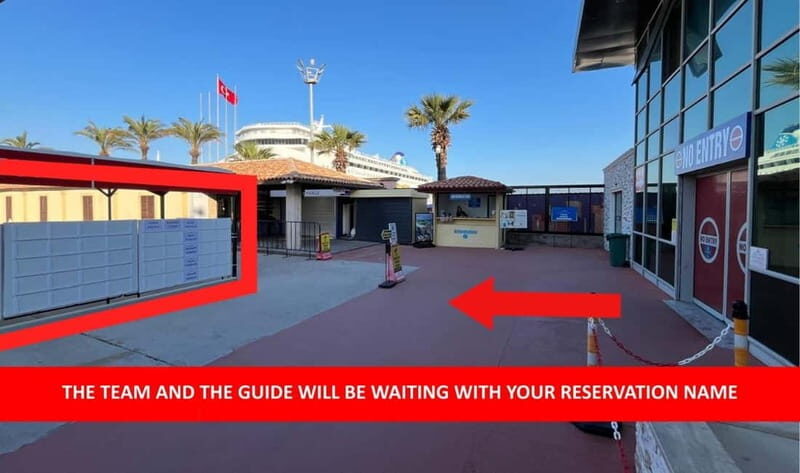
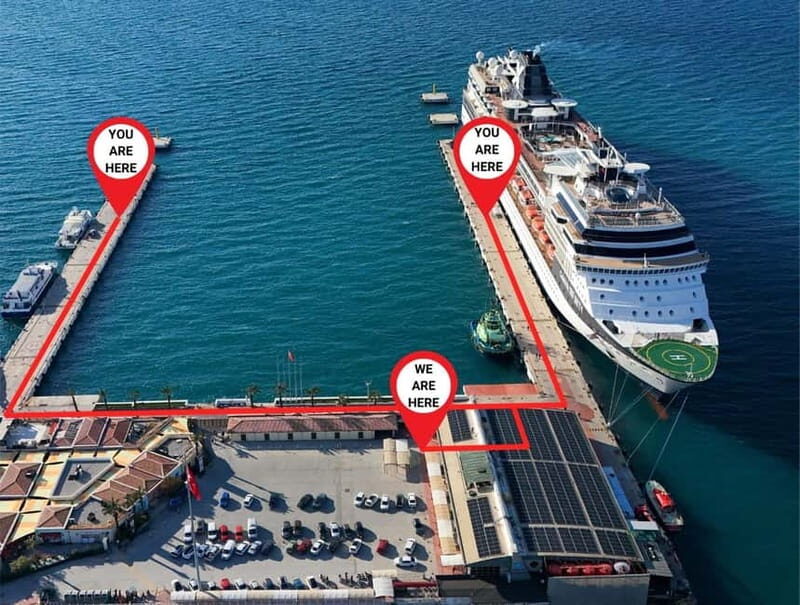
This is the kind of excursion that’s designed for cruise days, not independent travel. Pickup runs from the Kusadasi port area with multiple options, including Ege Ports, Kusadasi Cruise Pier, and Port Kusadasi Turkey, and you’ll drop back at one of the same port-area locations.
The handoff is straightforward: your guide meets you outside the cruise terminal arrival hall exit with a sign showing your name. That matters because Kusadasi terminals can feel like a maze when your ship unloads everyone at once.
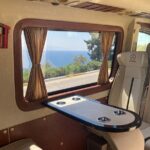
Expect two coach transfers of about 30 minutes each way. The upside is simple: you get comfortable transport with air-conditioning, then you spend your time where you came for it—Ephesus and Artemis—rather than stuck in local logistics.
You can also read our reviews of more tours and experiences in Kusadasi
Ephesus: the open-air museum where streets still show the past
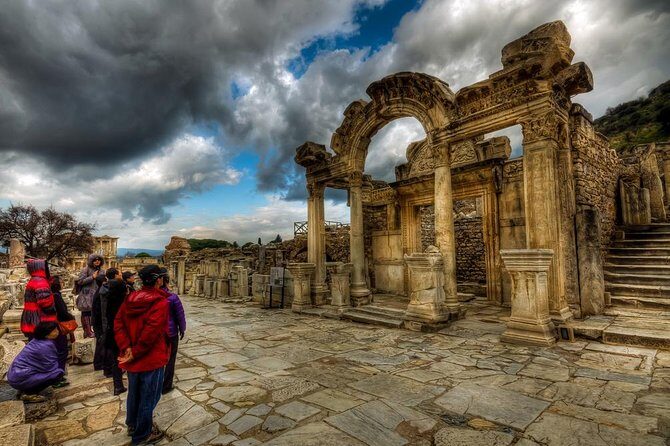
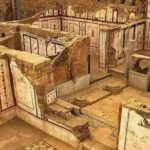
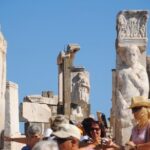
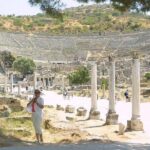
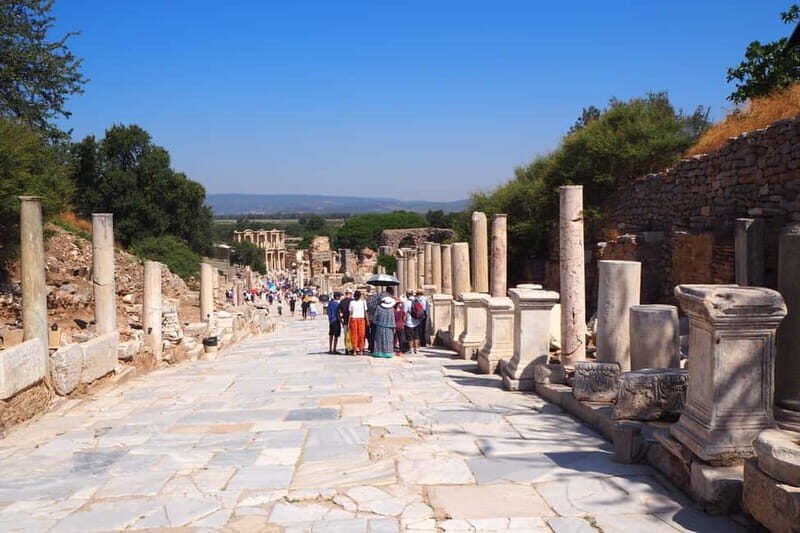
Ephesus is often described as one of Turkey’s best-preserved classic cities, and the scale is the whole point. It’s an open-air complex with more than 30 connected structures, linked by streets that still show marks from ancient chariot wheels.
In practical terms, 2.5 hours of guided time is enough to learn how to read the place without trying to race every stone. You’ll get the layout and the major stops, so you don’t just wander. You’ll leave with a map in your head, not only photos on your phone.
I like that the guide doesn’t treat Ephesus like a pile of ruins. The stories tie together daily Roman life, major civic spaces, and why early Christianity stirred attention in the area. That context is what turns a walk through old walls into a guided experience you’ll remember.
Great Theatre: where St. Paul and gladiators share the same air
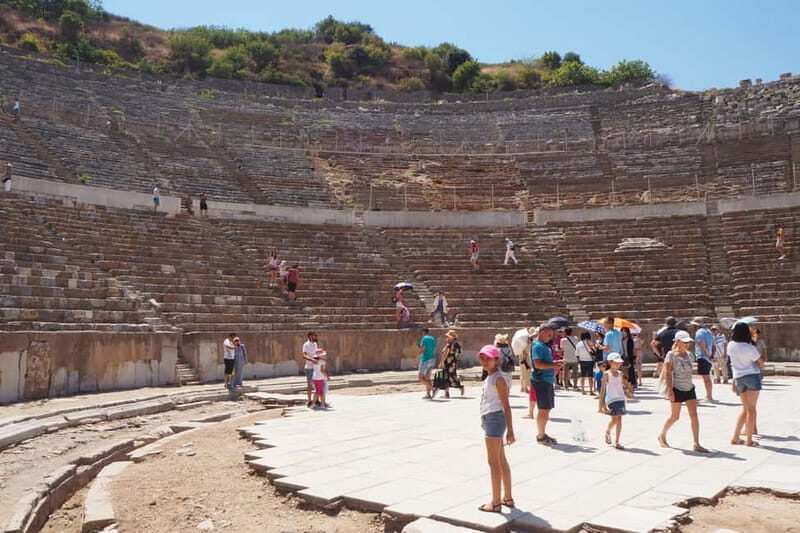
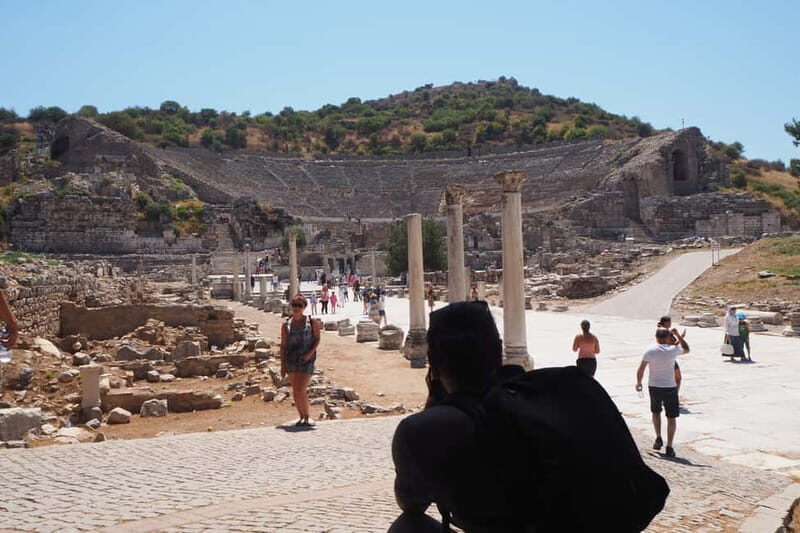
One of the best-known stops is the Great Theatre. It’s the kind of site that instantly gives you scale: it originally held about 25,000 people.
You’ll hear that the theatre goes back to the Hellenistic period and later got renovated by Roman emperors. Then comes the dual storyline that makes it interesting: it was designed for performances, and later alterations allowed gladiatorial contests.
The guide also connects the space to St. Paul preaching against pagan beliefs. Whether you look at it through religious history or theatre history, the effect is the same: you stand in a place that was built for crowd energy, and it’s easy to imagine how different eras used the same bones of a building.
Photo tip
If you want theatre shots, arrive ready to reposition. The scale reads best from wider angles, then you can work in closer details once you see where the stone lines lead your eye.
The Library of Celsus facade: the most photographed face for a reason
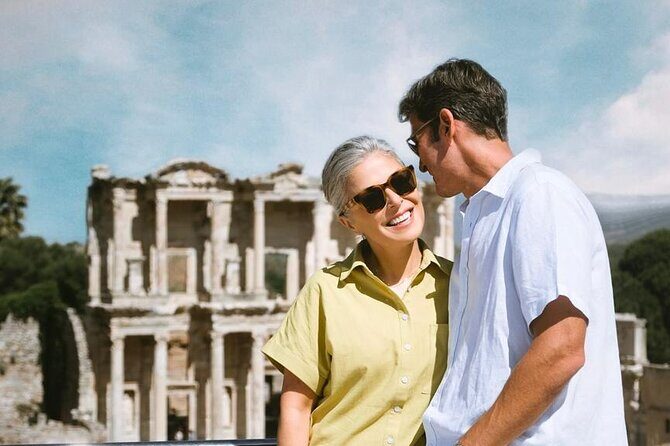
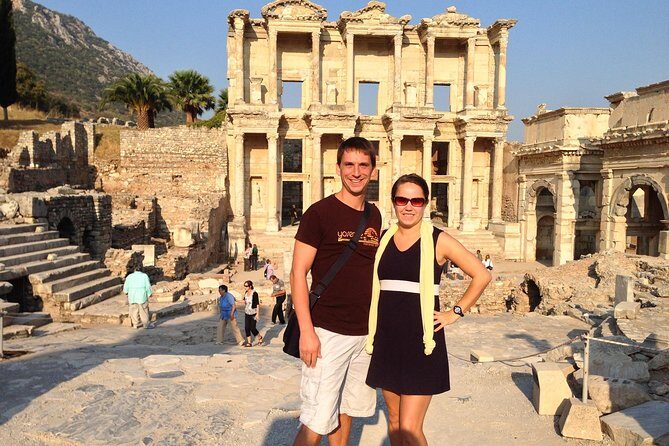
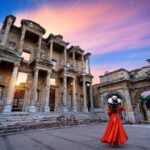
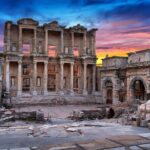
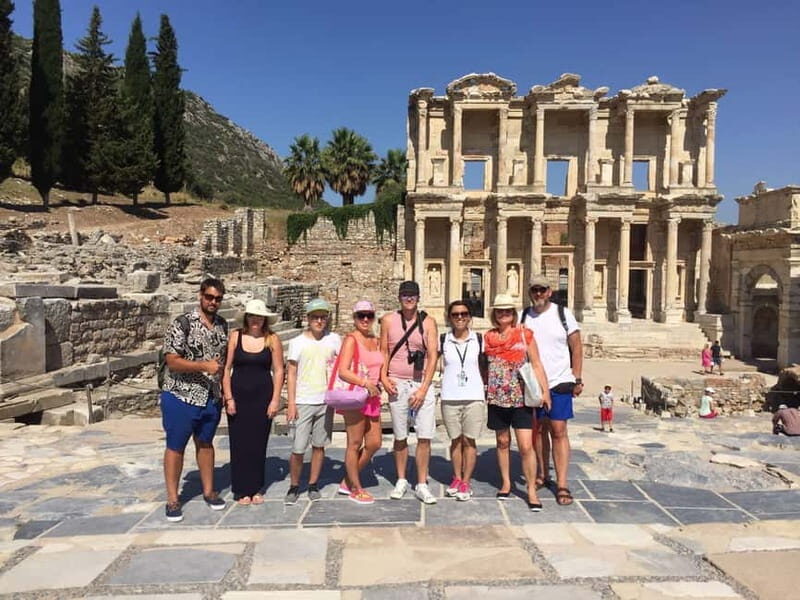
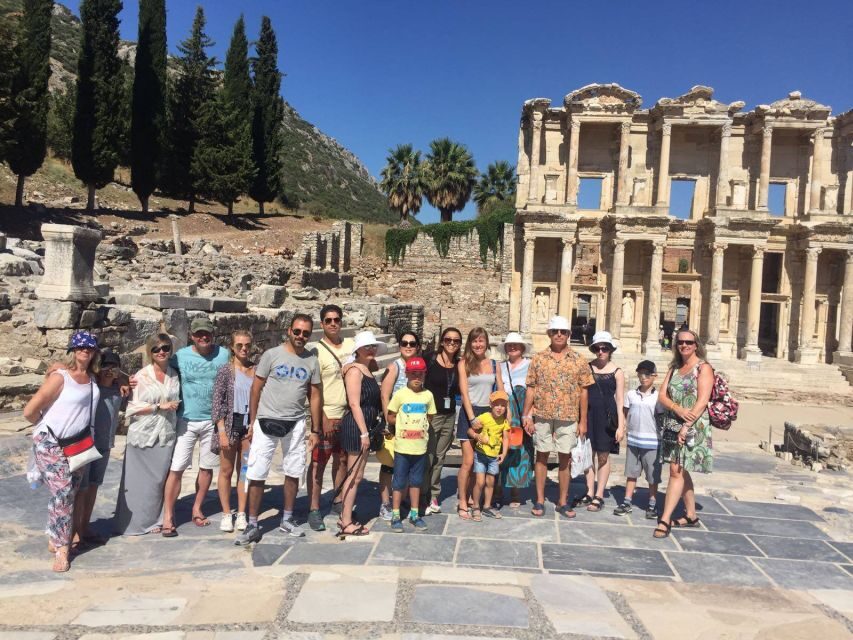
The Library of Celsus stop is the other big highlight. The tour emphasizes the famously restored facade, and you’ll understand why it gets photographed so often.
The building dates to around 115–125, and the facade’s design makes it feel like a living monument instead of just collapsed masonry. When your guide points out structural elements and explains how libraries functioned in the Roman world, it clicks that this wasn’t only a bookstore for smart people.
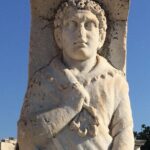
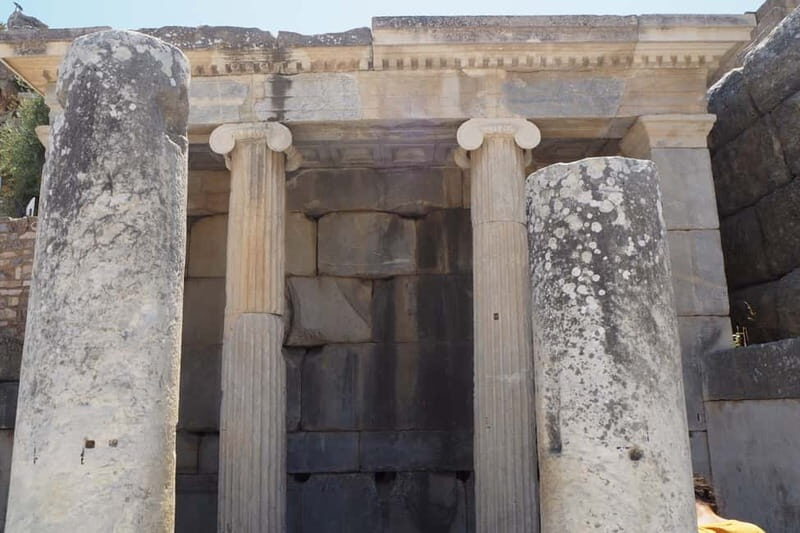
This is also a good “breather” moment in the route. After moving through larger spaces like the theatre, you get a more precise, architectural focus—columns, statues, and the kind of symmetrical layout that rewards careful looking.


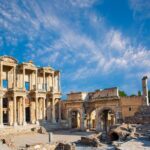
Other Ephesus sights you might spot in your guided walk
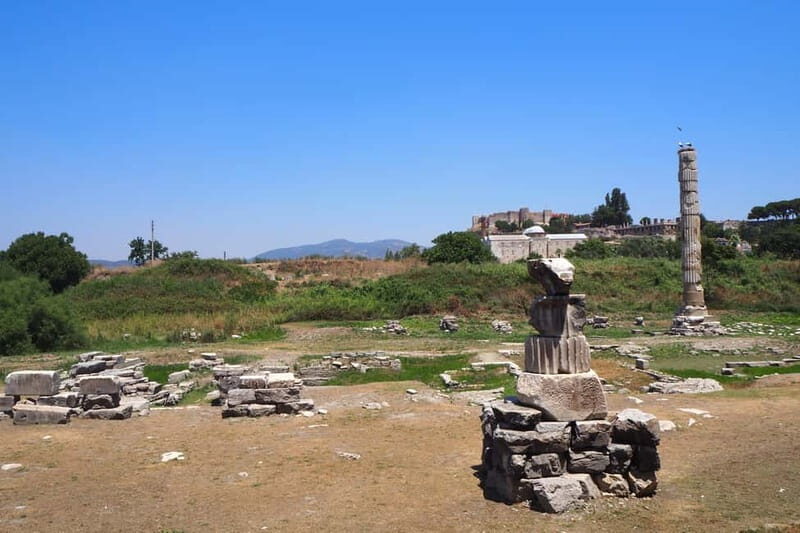
Ephesus is so large that tours usually pick a strategy: hit the famous anchors, then sprinkle in supporting stops. Your guide’s route may include several additional landmarks, such as:
- Odeon Temple
- Fountain of Trajan
- Temple of Hadrian
- Steam Scholastica Baths
- Marble road
- Agora
- Temple of Domitian
Even if you only get short looks at some of these, they help you build a bigger picture. The Fountain of Trajan and the agora, for example, help you imagine civic life. The baths (including the Scholastica Baths mention) give you a sense of how Romans handled leisure and daily routines.
A real-world note about walking
Ephesus is not flat like a museum hallway. Expect uneven ground and stairs, and plan for dust, sun, and occasional crowds. On hot days, having a guide who keeps the pace moving but builds in time to regroup is a big deal.
Temple of Artemis: what’s left of the ancient wonder
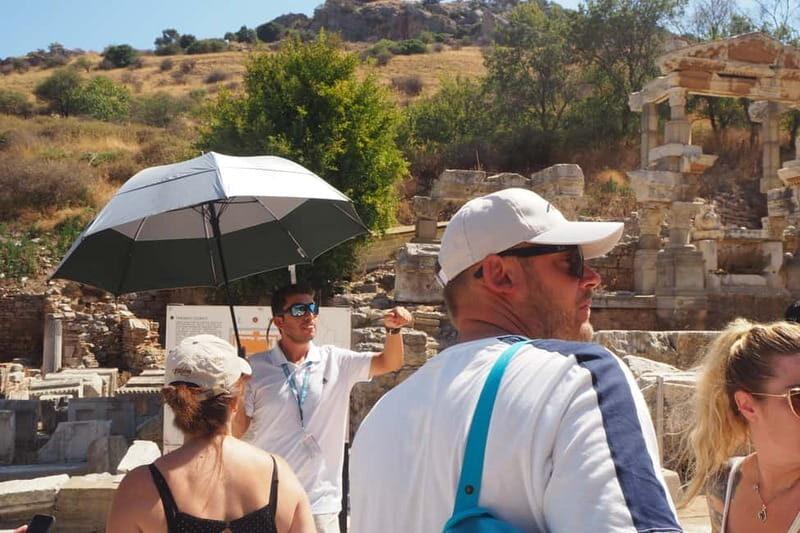
After Ephesus, the tour heads to the Temple of Artemis. This is one of the seven wonders of the ancient world, dedicated to the Goddess of the Hunt.
Here’s the key detail you should be mentally ready for: only the foundation and one column remain. The original temple was enormous—about 425 feet by 220 feet—but you won’t get to see its full walls and roof today. Your experience is more about understanding the lost grandeur than standing in front of it.
The guide may also frame the temple in relation to St. Paul and why the spread of Christianity was seen as a threat. That connection gives the visit extra meaning, because you’re not only viewing a historical site—you’re watching how belief systems and local power dynamics played out across eras.
What makes this stop worth your time
Even with just a foundation and one column, you’ll understand why this was a destination for empire-scale devotion. You’ll also appreciate how Ephesus fits into a wider map of Mediterranean religious history.
Entry tickets, skip-the-line, and what you may pay in cash
This tour offers an entry-ticket option, but the details depend on what you select. If you choose an Entry Tickets Included option, entry tickets are included. If not, the admission fee for Ancient Ephesus is excluded, meaning you’ll pay separately.
The helpful part: your guide has pre-paid skip-the-line tickets to avoid long ticket queues. That’s a real time-saver in cruise season, when everything moves slower just because more people show up at once.
If you need to pay for tickets on the day, your guide collects the cost in cash in euros, dollars, or Turkish Lira. Bring the right currency approach and you’ll feel less rushed at the critical moment when everyone else is lining up.
Price and value: what $27 buys you on a cruise day
At around $27 per person, the value comes from the “systems” you don’t want to manage yourself on a ship day: port pickup, a licensed guide, air-conditioned land transport, and parking fees. You also get a half-day structure that fits the reality of cruise schedules.
The place where value can shift is entry fees. The base tour price doesn’t automatically mean all admissions are covered unless you choose the entry-ticket option. Still, you’re often paying a fair total for a guided, timed experience that brings you straight from the port to the main sites without headaches.
My take: if you’re short on time and you want the big Ephesus highlights plus Artemis within a single morning block, this price is hard to beat. If your priority is exploring less-frequented corners of Ephesus on your own, then you might prefer a longer independent plan.
Group size, guide style, and how the tour stays readable
This tour can run as a shared group with licensed guiding, and you can also choose private or small groups. In practice, smaller groups are where the guiding often shines, because it’s easier to ask questions and get your bearings fast.
Guide feedback in the supplied information is consistent: people praise English clarity, engaging explanations, and pacing that accounts for heat and crowding. Named guides like Ahmet, Aysel, Celine, Aiden, and others are repeatedly described as attentive and organized.
You’ll feel that in how the tour moves: photo stops when they matter, guided time when you need the story, and regrouping so you don’t lose the thread.
What I’d watch for
Some Ephesus days get very hot, very busy. If you’re sensitive to heat, treat this like a morning sprint: plan for sun exposure and take water seriously. Comfortable walking shoes are not optional here.
Optional add-ons you might encounter on certain departures
Some people report extra short stops tied to local crafts or showrooms on the way back, such as a carpet workshop experience or ceramic stops, sometimes paired with a meal depending on timing and group size. In a few cases, schedules adjust around full-day alternatives.
I wouldn’t count on those additions if you’re buying this specifically for Ephesus and Artemis only. But if your day includes a craft stop, it’s usually a quick cultural detour rather than a hard sell. If you’re curious, it can be a nice break from ruins.
Who should book this Kusadasi Ephesus and Artemis tour
Book it if you want:
- A cruise-friendly route that focuses on the core Ephesus landmarks
- A guided explanation of what you’re seeing, including Roman civic spaces and early-Christian context
- Skip-the-line support to reduce wasted time in crowds
- A half-day plan with dependable return timing to the port
Consider another option if:
- You want to spend a full day in Ephesus wandering freely
- You’re only excited by intact architecture, because Artemis is mostly foundation and one surviving column
- You dislike tours with fixed time windows and coach transfers
Should you book this tour or pass?
I’d book this if your ship day gives you limited time and you want maximum understanding per hour. The combination of Ephesus highlights (the Great Theatre and the Library of Celsus facade) plus the Temple of Artemis story is a strong mix of “big ruins” and “lost wonder.”
Pass if you have more flexible time in the area and want a slower, deeper exploration of Ephesus on your own terms. Also pass if you don’t want any chance of extra short craft stops that may appear depending on the specific departure flow.
If you do book, come prepared for a hot, walk-heavy morning, and bring the currency you’ll need for any admissions that aren’t included in your selected option.
FAQ
How long is the Kusadasi Ephesus and Temple of Artemis tour?
The tour duration is about 3.5 hours.
Where is pickup and drop-off in Kusadasi?
Pickup and drop-off are from the Kusadasi Port area with options such as Ege Ports, Kusadasi Cruise Pier, and Port Kusadasi Turkey.
What sites does the tour include?
You’ll visit the Ephesus ruins with guided touring, and then the Temple of Artemis with guided touring.
Are entry tickets included?
Entry tickets are included if you select the Entry Tickets Included option. If you do not select that option, the admission fee for Ancient Ephesus is excluded, and you may pay your guide in cash (euros, dollars, or Turkish Lira).
What do I need to bring?
Bring a passport or an ID card.
What languages are the tours offered in?
The live tour guide is available in English, Russian, and Japanese.