REVIEW · KUSADASI
Skip the Line: Ephesus Tour For Cruise Guest
Book on Viator →Operated by Moira Travel Agency · Bookable on Viator
Cruise days move fast, so this one helps. You get easy cruise-port pickup and priority entry for Ephesus, which means less time stuck in lines and more time seeing real ruins. The catch is cost creep: entrance fees aren’t included, and Ephesus alone is listed at €40 plus an extra €10 per person.
What I like most is the pacing. In about 4 to 6 hours you hit Ancient Ephesus, the House of the Virgin Mary, and a couple of quick but memorable add-ons like the Ephesus Museum and the old Roman public latrine. If you’re hoping for a slow, do-it-at-your-own-pace day, this format can feel a little tight.
In This Review
- Key things to know before you go
- Why this Ephesus tour works on cruise-ship time
- Skip-the-line at Ephesus: what priority really means
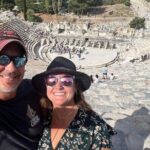
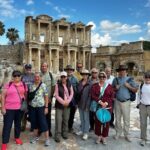
- Ancient Ephesus (Efes) in about 2 hours
- The House of the Virgin Mary: a mountain stop with a timeline
- Ephesus Museum and the public latrine: small stops, big perspective
- Kusadası: a quick port taste and a useful pause
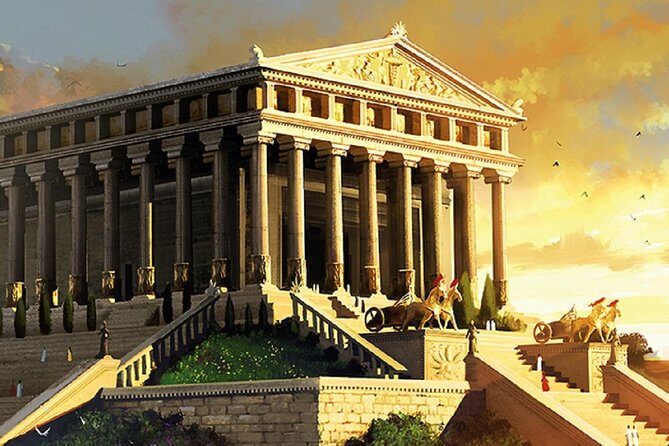
- Temple of Artemis: what’s left and why you should still care
- Pickup, guide style, and the names to look for
- Price and what you’re really getting for $12
- What can make this tour feel rushed (and how to prepare)
- Who should book this Ephesus cruise-port tour
- Should you book this skip-the-line Ephesus tour?
- FAQ
- Where do I meet the tour guide for this Kusadası cruise excursion?
- What should cruise passengers do after getting off the ship?
- How long is the tour?
- What’s included in the price?
- Are entrance fees included?
- Is the tour available in English, and can I book private?
Key things to know before you go
- Priority admission at Ephesus to cut down your waiting time
- Cruise-port coordination so you return based on your ship’s onboard time
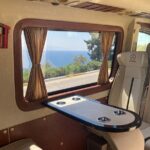
- Air-conditioned transport between stops
- Mary’s House on Bulbul Mountain with clear religious and historical context
- Quick Roman-site stops like the public latrine (short, but very human-scale)
- English-speaking guides and a driver who keeps the day moving
Why this Ephesus tour works on cruise-ship time
The biggest win here is timing control. You start at the Kuşadası Cruise Port, and the tour is designed to get you back according to your ship’s onboard time. That matters in the Aegean, where one late bus can turn your day into a scramble.
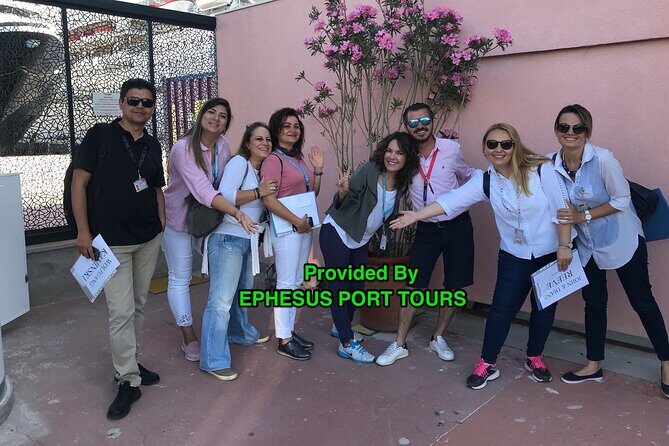
You’ll also meet your guide with a name sign at the harbor area. For cruise guests, there’s a clear suggestion to connect with the team soon after you arrive—within about 30 to 45 minutes—so you can skip the crush of groups, school buses, and that hot waiting-in-the-open feeling.
One small reality check: Kusadası is busy. It’s the gateway to Ephesus and handles around 200,000 cruise passengers per year, so meeting promptly helps the day run like a plan instead of a guess.
You can also read our reviews of more boat tours in Kusadasi


Skip-the-line at Ephesus: what priority really means
Ephesus is famous, and that’s exactly the problem—fame brings queues. This tour includes priority admission aimed at saving you hours that you’d otherwise spend waiting. In practical terms, it’s the difference between seeing the best highlights before your energy drops versus showing up after the crowd peak.
At the site itself, plan for walking and uneven ground. The tour keeps you moving at a steady pace (about 2 hours at Ancient Ephesus), so you’ll be able to hit the key structures rather than wander until your cruise is due.
Also note a budgeting issue: the itinerary highlights Ephesus as “admission ticket free” in the stop list, but the pricing section clearly states entrance fees are not included. So for planning purposes, assume you will pay for entries on the day. Either way, priority is still valuable—paying the ticket and skipping the wait are two separate things.
Ancient Ephesus (Efes) in about 2 hours
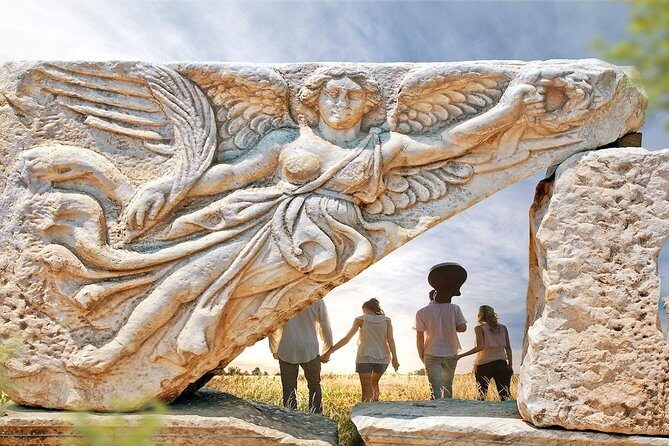
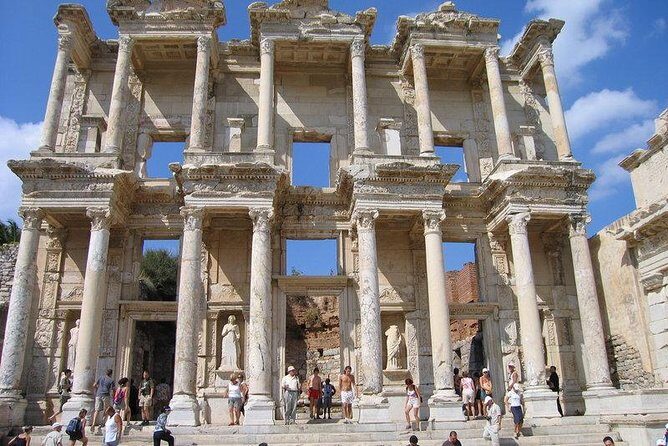
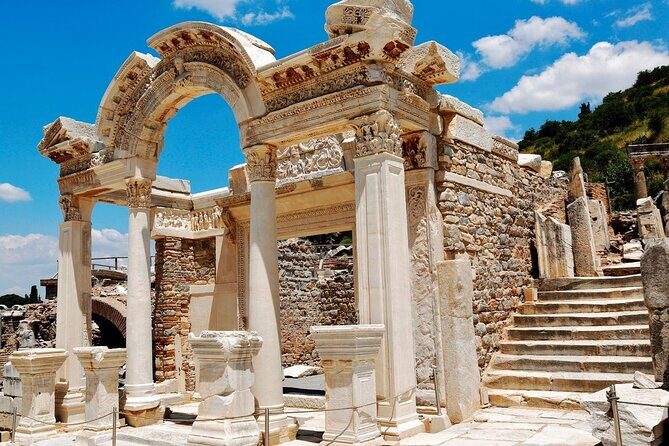
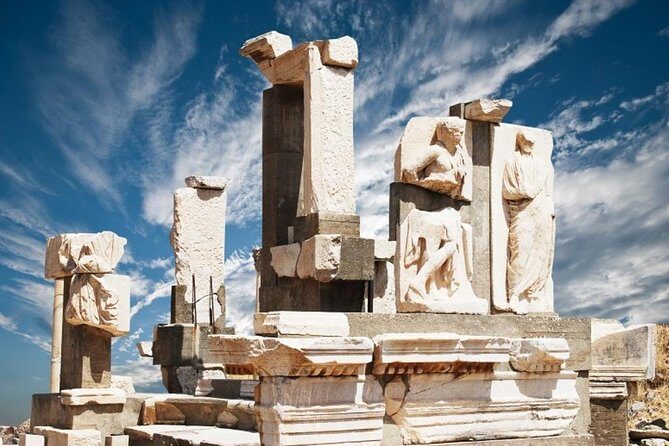
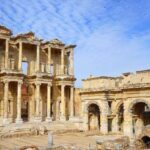
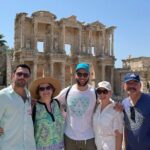
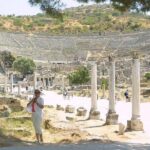
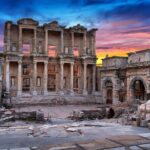
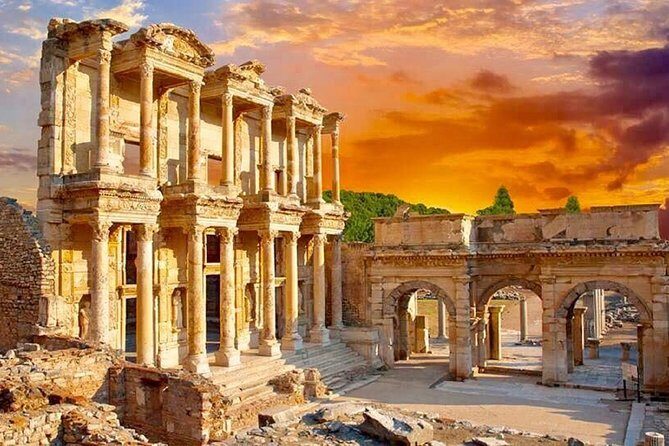
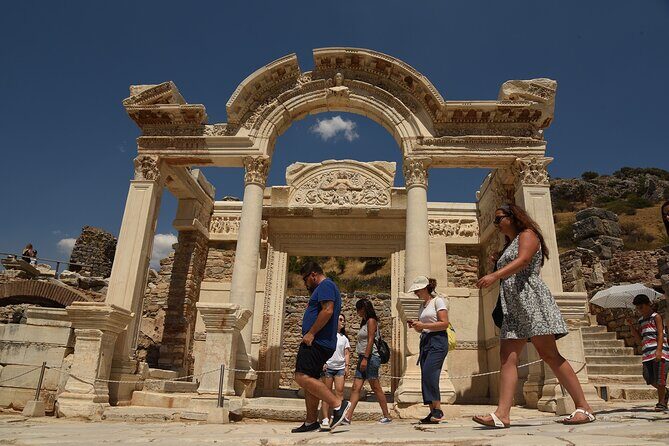
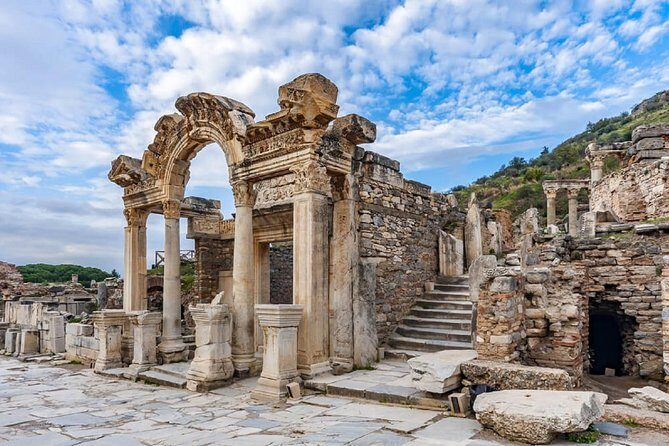
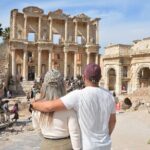
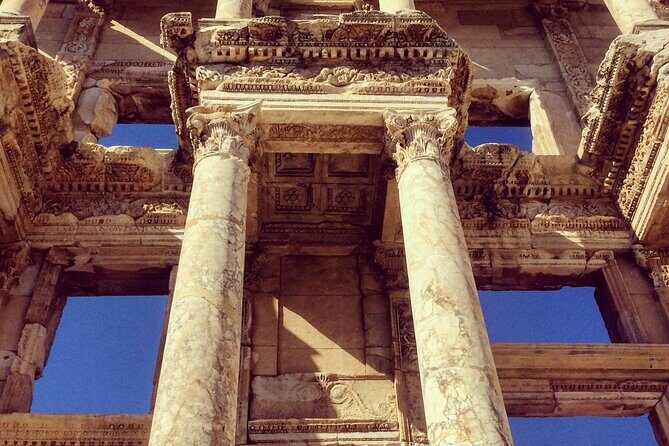
Ancient Ephesus is one of the Mediterranean’s big hitters. In its heyday—around the first century BC—it was described as the second-largest city in the world, with Rome as the only rival for power. When you’re standing in the ruins, that scale is what makes it feel dramatic. You can see how it could function like a world center, not just a local town.
During your time there you’ll focus on major reconstructed and surviving areas, including the Temple of Artemis site area (even though the temple itself is mostly gone today). It’s a smart approach for cruise visitors because the site is too large to “do everything” in one short visit.
A possible drawback is simple math: 2 hours is enough for highlights, not enough for deep reading. If you like to stop for every inscription and museum-style label, you might feel slightly rushed. If you prefer the big story—where power, trade, religion, and engineering all meet—this length works well.
The House of the Virgin Mary: a mountain stop with a timeline
Next is the House of the Virgin Mary, up on Bulbul Mountain. This is only about 6 km from Ephesus, but you’ll feel the shift from “ruins city” into “quiet pilgrimage place.”
Here’s what makes it special, beyond the religious importance:
- It’s believed Mary spent her last years in this shrine area.
- The foundation story traces to Anna Catherine Emmerich’s visions, with a foundation established in 1891.
- When the house was found, it was already collapsed after an earthquake.
- It was rebuilt as a church and visited by Pope Paul VI in 1967 and Pope John Paul II in 1979.
Your time here is about 45 minutes, so it’s not an all-day meditation. It’s enough to take in the setting, look around, and understand why this place draws pilgrims year after year.
One practical note: because it’s up on a mountain, you’ll want to bring whatever keeps you comfortable in sun and wind. The tour moves smoothly, but weather can change fast.
Ephesus Museum and the public latrine: small stops, big perspective
After Mary’s House, you have about 1 hour at the Ephesus Museum. Even if you’re not the museum type, this stop helps you anchor what you just saw outdoors. Ruins can feel like scattered stones until you connect them to objects, reconstructions, and explanations.
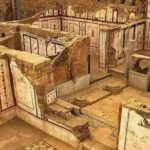
Then comes a surprisingly memorable one: the Public Latrine. It’s short—about 15 minutes—but it’s one of those stops that makes ancient life feel real.
The details matter:
- These were public toilets from the Roman city period.
- They were built in the 1st century AD as part of the Scholastica Baths.
- The complex is described as having 36 marble toilets along the walls.
- You can still see the lined-up setup, but you can’t use the toilets.
- There was an uncovered pool with columns supporting a wooden ceiling, plus a drainage system.
- Near the trough area, there was relatively clean water reported for washing.
It’s not glamorous, but that’s the point. You get a window into daily life and city infrastructure—how Romans solved the unromantic needs of a crowded urban population.
You can also read our reviews of more tours and experiences in Kusadasi


Kusadası: a quick port taste and a useful pause
You’ll get around 15 minutes at Kuşadası itself—more of a “look and reset” stop than a full town visit.
Why it’s worth the pause:
- Kusadası is a classic Aegean resort gateway to Ephesus.
- It’s also a ferry jump-off point to the Greek islands.
- The port traffic is huge, which explains why the cruise-port timing and crowd management are such a focus.
This is a good time to grab water, check your photos, and mentally prep for the last major site.
Temple of Artemis: what’s left and why you should still care
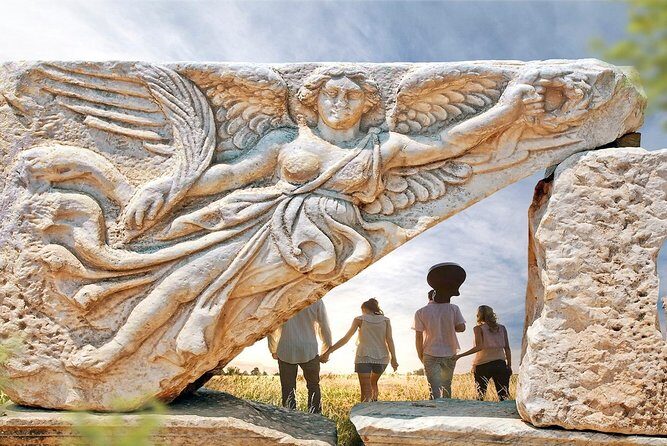
The Temple of Artemis today is mostly a memory. In the current setting, only basic structure elements and a column remain. But don’t treat that as a letdown. It’s still worth seeing because the temple site connects you to the legend-level fame of Ephesus.
You’ll have about 30 minutes for this stop, which is enough to:
- orient yourself on where the temple stood,
- connect it back to what you saw across the broader Ephesus area,
- and understand why Artemis is tied to this whole region’s identity.
If you’re the type who likes to see what survives versus what disappears, this final stop can hit surprisingly hard.
Pickup, guide style, and the names to look for
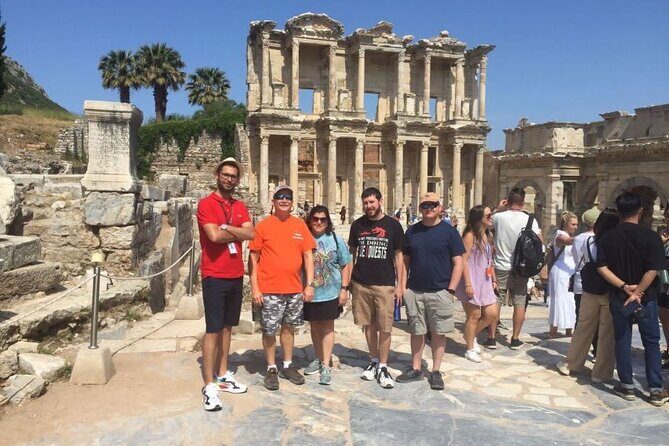
English is offered, and the tour is led by a guide meeting you at the cruise port with a sign with your name. That detail sounds small, but it prevents the classic “which company is ours?” confusion.
From the standout guide names in past groups, there’s a pattern: guides who explain the sites in clear, practical ways. You’ll see references to guides such as Ali Tanriverdi, Rose, and Luke. Drivers are also part of the smooth day rhythm—names like Onur show up in feedback.
What you should expect from this kind of guiding:
- a focus on the big story behind each stop,
- answers when you ask questions,
- and a pace that respects cruise timing.
If you want the day to feel personal, the tour can be booked as a small-group or private tour, which tends to make questions easier and pacing more flexible.
Price and what you’re really getting for $12
The listed price is $12 per person, which feels almost too good until you see the fine print: entrance fees are not included.
Budget for:
- Ephesus entrance fees: €40 per person
- plus an additional €10 per person for other entries
So you’re not paying just for a bus and a guide. You’re paying for:
- air-conditioned transportation,
- a guided route with explanations,
- and priority entry that saves time at a high-crowd site.
Value here is about trade-offs. If you’re on a cruise, your “currency” is time and avoiding stress. Priority helps you make the day work without cutting major sights.
Also, this is typically booked ahead—on average about 40 days in advance—which is a good sign for inventory and planning. If you’re traveling in peak season, I’d book early.
What can make this tour feel rushed (and how to prepare)
This is built as a cruise excursion format. That’s great for efficiency, but it’s also why it can feel quick.
Here’s what to watch:
- Short time per site means you’ll focus on highlights.
- You’ll be in motion most of the day, so comfortable shoes matter.
- Expect crowds and strong daylight during the hottest hours.
Your best preparation is simple:
- wear closed-toe shoes you can walk in,
- bring sun protection,
- and decide in advance what matters most: Ancient Ephesus first, then Mary’s House, then the Roman-site and Artemis stops.
If your priorities are more niche—like spending hours on archaeology details—consider pairing Ephesus with a longer, non-cruise visit another time. This one is for making the most of a limited window.
Who should book this Ephesus cruise-port tour
You’ll probably love this if you:
- are visiting Ephesus from Kusadası by cruise and want the day to run like a plan,
- hate waiting in lines and prefer priority admission,
- want a mix of sites—ancient city, pilgrimage place, museum, and a Roman daily-life stop,
- want a guide who can explain what you’re seeing in English.
You might not love it if you:
- want a slow stroll with lots of breaks and deep self-guided exploration,
- or you’re planning to spend extra time at each site beyond what’s scheduled.
Should you book this skip-the-line Ephesus tour?
If you’re on a cruise and you only get one shot at Ephesus, I’d book it. Pickup from the port, a tight route, air-conditioned transport, and priority entry are exactly the tools you want when time is the real enemy. The only “don’t skip this step” advice is budget for entrance fees, since they can meaningfully change your total cost.
If your goal is highlights with smart explanations—plus a couple of stops that keep the day from becoming just another ruins photo-op—this is a strong choice.
FAQ
Where do I meet the tour guide for this Kusadası cruise excursion?
You meet at Kuşadası Port Türkiye, Camikebir, Feribot Limanı, 09400 Kuşadası/Aydın, Türkiye. Your licensed guide meets you at the harbor with a sign showing your name.
What should cruise passengers do after getting off the ship?
The guidance is to meet the tour team within 30 to 45 minutes of your ship arriving at the port, so you can bypass some of the crowding and heat waiting.
How long is the tour?
The duration is listed as about 4 to 6 hours.
What’s included in the price?
The tour includes air-conditioned vehicle, private transportation, and a guide.
Are entrance fees included?
No. Entrance Fees of Ephesus are listed at €40.00 per person, and there is also an additional €10.00 per person entrance fee listed as not included.
Is the tour available in English, and can I book private?
Yes, it’s offered in English, and you can choose from a small-group or private tour.