REVIEW · KUSADASI
Kusadasi: Ephesus and Artemis Skip-the-line Small Group Tour
Book on GetYourGuide →Operated by Ephesus Shuttle Private and Small group · Bookable on GetYourGuide
Ephesus is one of those places where time feels physical. This Kusadasi skip-the-line small-group tour packages the big hits fast, with a guide who helps you read what you’re looking at instead of just pointing at stones.
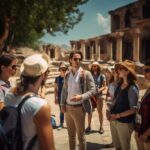
I especially like the small group size (max 16), because it keeps the pace sane and the explanations easy to follow. I also like that you get a real stop at the Library of Celsus and the Grand Theater, not just a rushed photo break.
One consideration: it’s not a sit-down tour. You’ll do about 1 mile (1.5 km) of walking with steps, and there are also short shop stops that some people may not want, depending on your guide’s route.
In This Review
- Key highlights that matter
- Kusadasi to Ephesus: A cruise day that doesn’t feel like a scramble
- Getting picked up at Kusadasi Cruise Terminal (and not losing your morning)
- The Ephesus core: marble streets, Baths of Scholastica, and the Library of Celsus
- Temple of Hadrian, colonnades, and why Ephesus felt like a political machine
- The Grand Theater: 24,000 seats and the sounds of a real city
- Temple of Artemis ruins: what’s left of a Seven Wonders site
- Price and value: why this $29 tour can still be a smart choice
- Guides and pacing: why small-group ruins feel more human
- The possible downside: shop stops and time you might not want
- Comfort and timing tips that keep the day enjoyable
- Who should book this Ephesus and Artemis small-group tour
- Should you book this tour?
- FAQ
- How long is the Kusadasi Ephesus and Artemis tour?
- What sites are included in the tour?
- Is the entrance fee included in the tour price?
- How big is the group?
- What language is the tour guide?
- Where do you meet and get picked up?
- What’s the walking like?
- What should I bring?
- Is it suitable for people with mobility impairments or pregnancy?
- Can I cancel for a refund?
Key highlights that matter
- Cruise-friendly timing: pickup is set to line up with your ship arrival and help you beat the crowds
- Skip-the-line entry: your guide handles tickets so you spend less time waiting
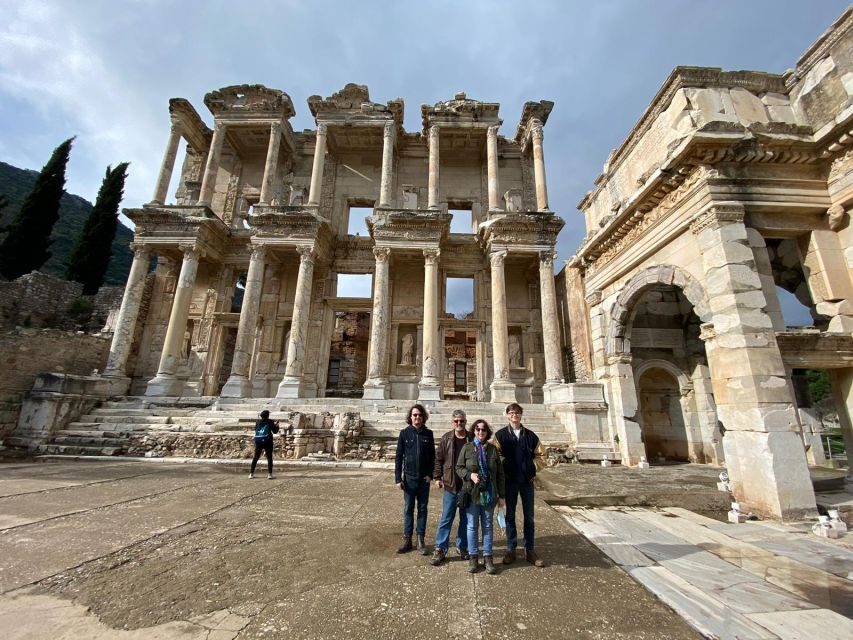
- Ephesus in 2 guided hours: marble streets, baths, Library of Celsus, and the Grand Theater
- Temple of Artemis stop: a focused visit to the Seven Wonders-era site’s ruins
- Actual group control: small group format (and private option) keeps it from turning into a stampede
- Your guide’s style: many guides keep facts engaging but not overwhelming, like Yavuz, Emma, Nilgun, and Oz
Kusadasi to Ephesus: A cruise day that doesn’t feel like a scramble
Kusadasi is the kind of port where you can either spend your day sprinting between bullet points, or you can slow down enough to enjoy what you came for. This tour leans toward the second option. You get guided time in Ephesus, then a short, meaningful look at the Temple of Artemis ruins.
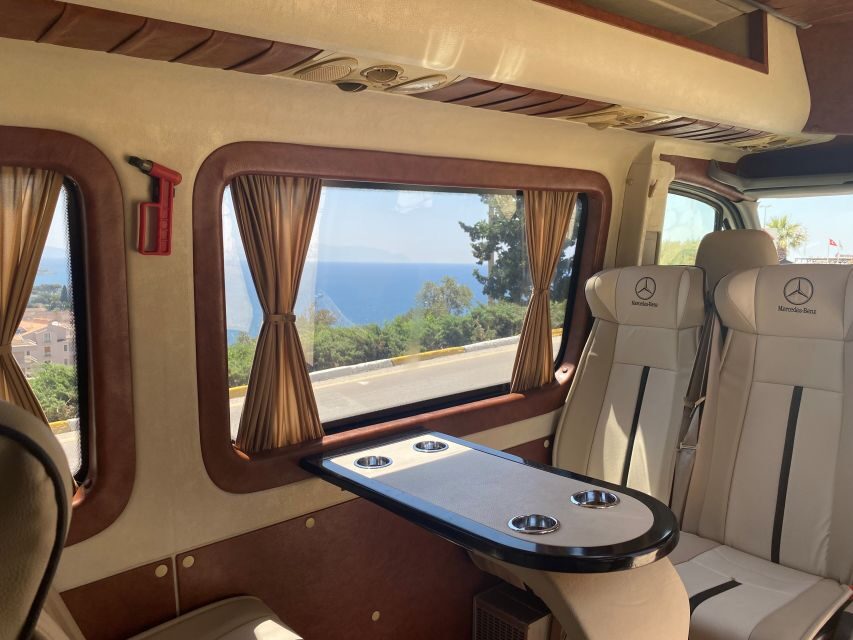
The setup also makes practical sense for a cruise excursion. You’re picked up at your Kusadasi cruise terminal meeting point (just a short walk to the sign/van), then driven about 20 minutes to Ephesus. That drive is long enough to reset, short enough that you don’t feel like you spent half the day just getting there.
You can also read our reviews of more tours and experiences in Kusadasi

Getting picked up at Kusadasi Cruise Terminal (and not losing your morning)
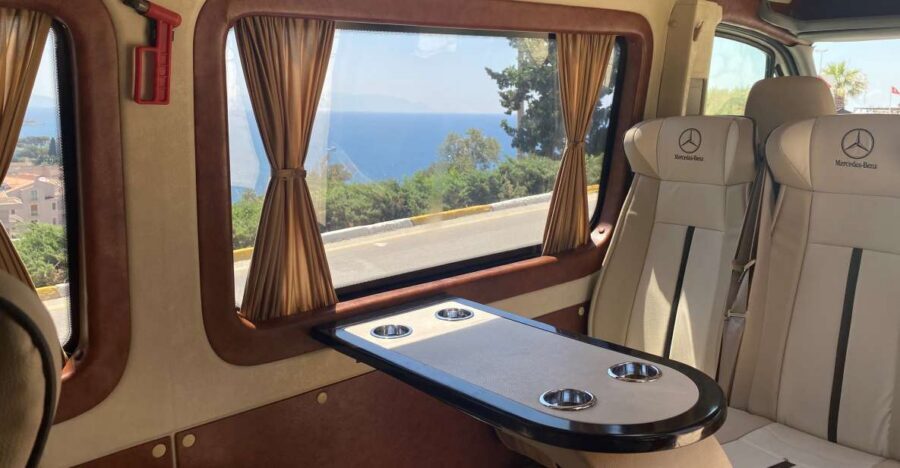
Your day starts with a person holding your name at the Kusadasi Cruise Terminal for cruisers, or a lobby meet-up if you’re staying at one of the listed hotels. Meeting time is provided by the local operator after booking, and it’s typically around 30 to 45 minutes after your cruise arrival to help you avoid the peak crush.
That detail matters. On port days, delays happen. When your pickup timing is planned to beat crowds, you walk into the ruins with more energy and fewer bottlenecks.
The Ephesus core: marble streets, Baths of Scholastica, and the Library of Celsus
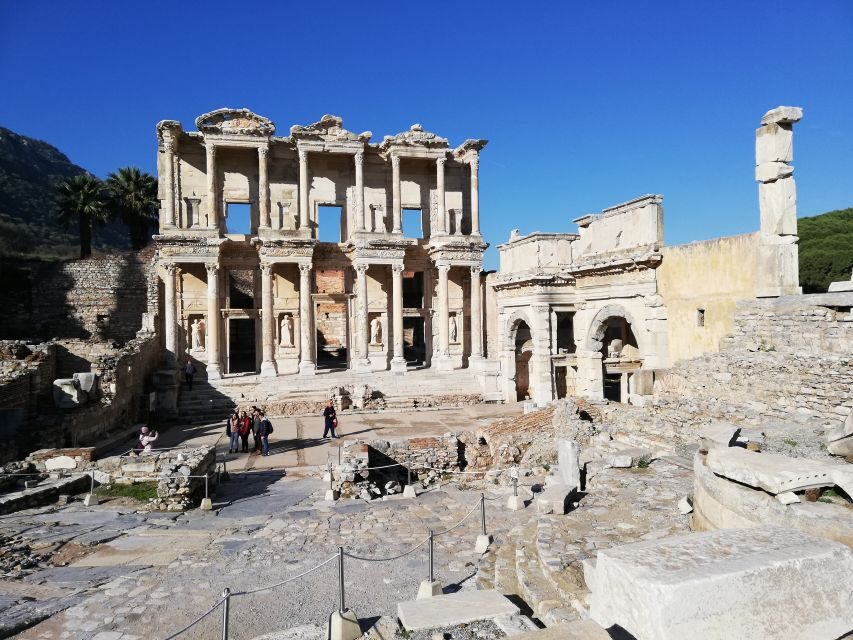
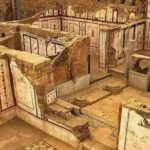
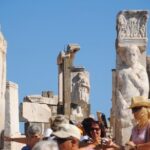
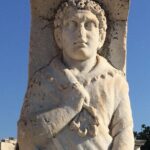
Ephesus is not a theme park version of ancient life. It’s a city-scale archaeological site where the design of the place tells a story. You’ll have about 2 hours of guided time walking through the main sights, and the guide helps you connect the dots: Greek origin, Roman era power, and why this port mattered so much.
You start with the feeling of an ancient city you can actually navigate. Marble streets and public spaces make it easier to imagine how people moved through daily life. One highlight is the Baths of Scholastica. Even when parts are ruined, the layout makes it clear this wasn’t a quick splash-and-go. These were major bathing facilities back in the 1st century.
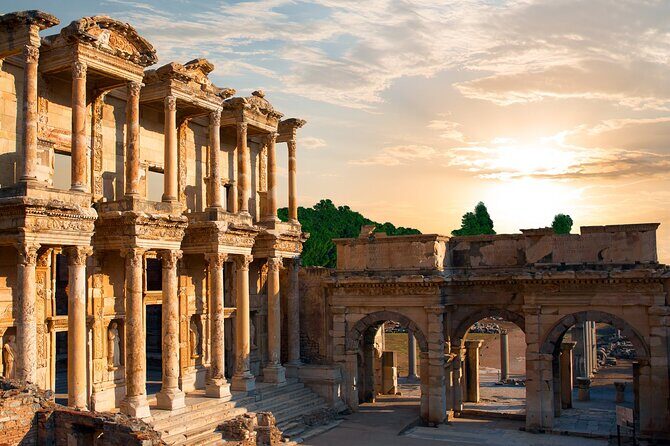
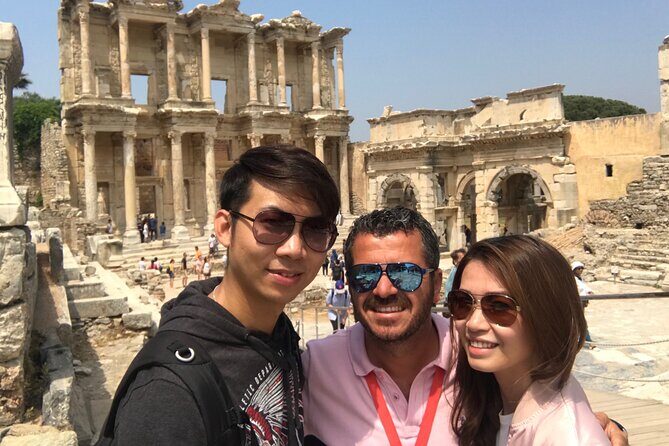
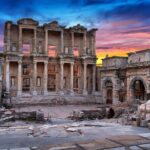
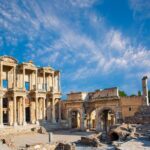
Then you hit a showpiece: the Library of Celsus. The façade is what grabs you first—then the story sticks. The library was struck by an earthquake and later burned during an invasion by the Goths in the same year. That mix of disaster and resilience is part of why the façade still feels so dramatic today. You’re looking at architectural ambition that survived chaos.
Temple of Hadrian, colonnades, and why Ephesus felt like a political machine
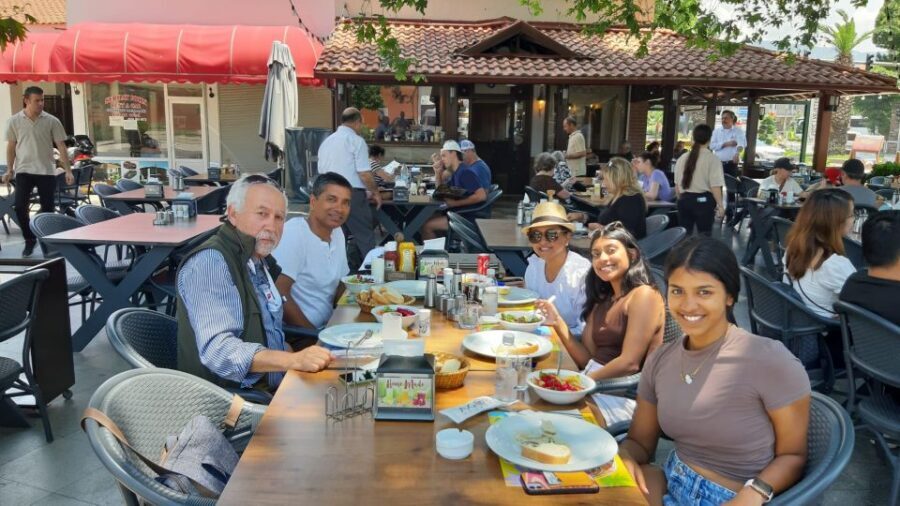
Ephesus wasn’t only about religion and everyday life. It was also about authority. A good guide will point out how the monuments reinforce power.
You’ll see the massive colonnade of the Temple of Hadrian. It’s the kind of structure that makes you slow down because it looks built to impress visitors and remind locals who had the money and the influence. Standing in front of it, you’ll likely get a clearer sense of how public architecture functioned like messaging.
And because your tour is guided, you don’t just pass by. You learn what you’re seeing: how the city’s Greek roots and Roman rule shaped everything from civic spaces to religious centers.
The Grand Theater: 24,000 seats and the sounds of a real city
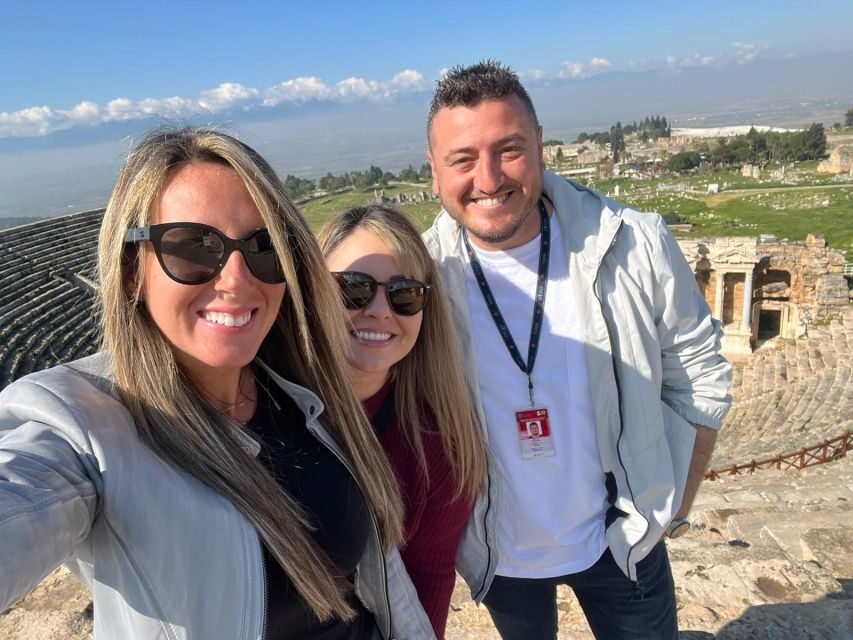
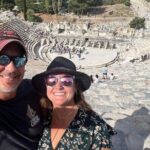
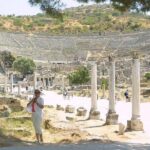
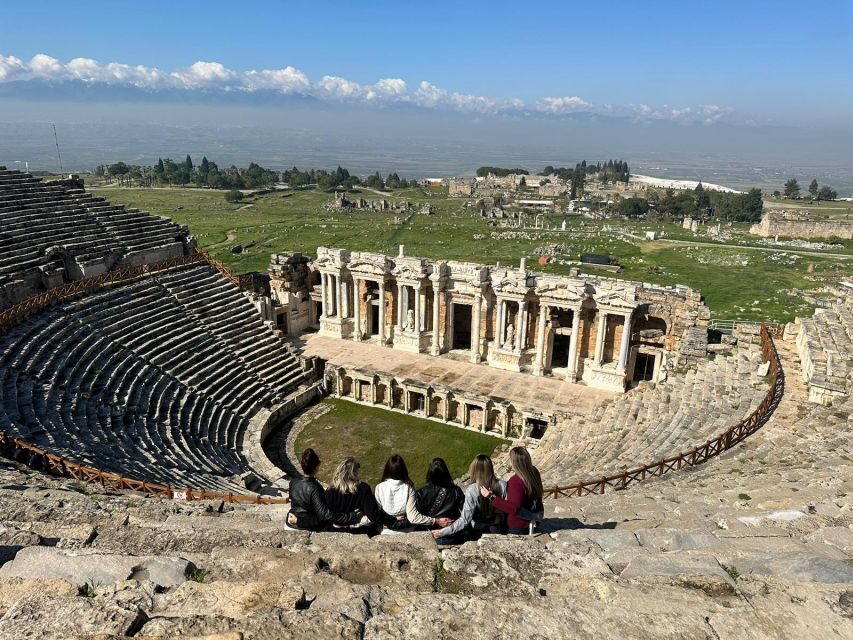
Next comes one of Ephesus’s most arresting structures: the Grand Theater. This site held about 24,000 spectators, and it was used for more than casual entertainment. Emperors and officials used it for events like plays, concerts, and gladiatorial fights.
What makes this stop valuable isn’t only the number. It’s the scale and the way the theater sits in the landscape. You get a sense of how massive public gatherings were—and how politics, culture, and spectacle braided together in one place.
This is also where the small-group format helps. With a crowd-free pace, you can look around, take photos, and still hear what the guide is explaining without constantly waiting for the group to catch up.


Temple of Artemis ruins: what’s left of a Seven Wonders site
After Ephesus, the tour continues to the Temple of Artemis ruins. This is the stop many people think they know from postcards, but seeing it in person is different. The site is tied to one of the Seven Wonders of the ancient world, dedicated to the Greek goddess of the hunt.
Even though you’re viewing ruins rather than a whole structure, the stop gives you the right context: pilgrims traveled from across the ancient world seeking Artemis’s favor. A quick, focused guided visit (about 20 minutes) helps you frame what you’re looking at so it doesn’t feel like random stones in a field.
If you’re someone who likes your ancient sites with story and symbolism, this stop lands well. If you’re more into technical archaeology, you’ll still find it worth the time as a “big reference point” after Ephesus.
Price and value: why this $29 tour can still be a smart choice
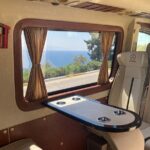
At $29 per person, the headline price is tempting. The key value question is what you get included. You do get: a professional licensed guide, air-conditioned transportation, parking fees, and pickup/drop-off at the cruise terminal area.
What you don’t get: entrance fees. Those are payable on the day, and the guide handles skip-the-line tickets for you. One guest specifically mentioned that the entrance fee felt like about €40, which is a good reminder to budget for it. In other words, the tour price is the “how you go” cost, and the entrance fees are the “what you see” cost.
Even with entrance fees added, the structure makes sense for cruise travelers. You’re buying time savings (skip-the-line), a guide who helps you make sense of the site, and comfortable transport. In a port day, that combination often beats trying to self-organize under time pressure.
Guides and pacing: why small-group ruins feel more human
One theme shows up again and again in how people describe this tour: the guide style. Names mentioned include Yavuz, Emma, Oko, Nilgun, Selda, and Oz. The common thread is pacing. Guides often keep the facts engaging without turning the day into a lecture.
That matters because Ephesus can overwhelm you fast if someone only tosses dates at you. With a small group, you can ask questions, pause for photos, and actually track what’s happening in the story: Greek origins, Roman upgrades, and how the city’s fortunes changed over centuries.
You’ll also benefit from the practical side of good guiding. One guest praised a guide for staying sensitive to physical abilities in their group, and another mentioned extra help stepping in and out of the van. That’s the difference between a tour that’s just scheduled and one that’s managed.
The possible downside: shop stops and time you might not want
The tour experience is ruins-first, but some routes can include short stops related to local crafts or shops. Reviews mention examples like a porcelain shop, carpet weaving/carpet-related demonstrations, and even a leather factory stop. Another person wasn’t thrilled with outlet-style shopping and preferred port-area shops instead.
Here’s how to handle this realistically: if your priority is uninterrupted time in the ruins, plan your mindset for the fact that you may have a brief detour. If you’re booking a private group, you’ll likely have more flexibility in what you prioritize during the day.
If shopping isn’t your thing, don’t let that derail you. Look at these stops as cultural context, not a requirement to buy anything.
Comfort and timing tips that keep the day enjoyable
This is an outdoor walking tour with about 1 mile (1.5 km) and steps, so your comfort setup affects how much you enjoy it. Bring comfortable shoes with solid grip. Add sunglasses and a sun hat because the sun can feel relentless.
Also, think about your pace. With a guided 2-hour Ephesus walk, you’ll want to move at a steady rhythm, then slow down at major viewpoints. This tour works best when you let the guide set the flow and you use the brief pauses for photos and quick rest.
If you’re hoping for the smoothest experience, consider starting earlier when possible. A review even noted the idea of starting around 8am to avoid peak crowd timing. Early light often helps your photos too.
Who should book this Ephesus and Artemis small-group tour
This tour fits you best if:
- You want skip-the-line entry and a guide to explain what you’re seeing
- You’re doing a cruise excursion and want a plan that respects port timing
- You like walking through ruins with enough context to make them click
- You prefer a small group over a bus-load scramble
It’s not ideal if:
- You have limited mobility or need step-free access (it includes walking and steps)
- You’re pregnant (the tour states it’s not suitable)
- You want a totally shop-free day, since some routes can include artisan/retail stops
Should you book this tour?
I’d book it if your goal is simple: see the real highlights of Ephesus and Artemis without wasting your cruise day in lines or confusion. The mix of small group, licensed English guide, and skip-the-line tickets is the core value, especially when your time is limited.
Before you go, do two things. First, budget for entrance fees on the day so the final cost doesn’t surprise you. Second, be ready for some walking with steps, even though it’s not an all-day trek.
If you want ruins with story, comfortable transport, and a pace that doesn’t feel like you’re being herded, this is a strong pick.
FAQ
How long is the Kusadasi Ephesus and Artemis tour?
The tour is listed as 4 hours total.
What sites are included in the tour?
You visit Ephesus with a guided walk (about 2 hours) and then the Temple of Artemis with a guided visit (about 20 minutes).
Is the entrance fee included in the tour price?
No. Entrance fees are not included and are payable on the day. The guide provides skip-the-line tickets.
How big is the group?
It’s described as a small-group tour with a maximum of 16 people. A private group option is also available.
What language is the tour guide?
The tour includes a live guide in English.
Where do you meet and get picked up?
For cruisers, the meeting point is Kusadasi Cruise Terminal. For guests staying in certain hotels, it’s the hotel lobby. A pickup is also described from specific pickup locations.
What’s the walking like?
The tour includes about 1 mile (1.5 km) of walking and steps, so it may not be comfortable for everyone.
What should I bring?
Bring comfortable shoes, sunglasses, and a sun hat.
Is it suitable for people with mobility impairments or pregnancy?
The activity is listed as not suitable for people with mobility impairments and pregnant women.
Can I cancel for a refund?
Yes. The tour offers free cancellation up to 24 hours in advance for a full refund.