REVIEW · KUSADASI
FOR CRUISERS: Best of Ephesus Private Tour (GUARANTEED ON-TIME RETURN)
Book on Viator →Operated by BEST TURKEY TOUR · Bookable on Viator
Ephesus in one port day. This private tour from Kusadasi keeps your time tight with skip-the-lines advantages and an air-conditioned transfer that helps you get to the ruins fast. You also have a licensed guide with you the whole way, so the day feels less like running around and more like understanding what you’re seeing.
I especially like the focus on cruise timing: you get a guaranteed on-time return to the ship, plus clear instructions to meet the team soon after docking. Second, the itinerary hits the big Ephesus names—Meryemana (Mary’s House), the Ancient City, and the Celsus area—while also giving you the option to add the Terrace Houses if you want more mosaics and detail.
One consideration: museum tickets aren’t included, and you’ll also want to be ready for guided stops related to local handicrafts (shopping showrooms). It’s not a problem for everyone, but if you prefer zero selling time, ask how much time is planned before you go.
In This Review
- Key points before you book
- Cruise-Port Timing: How This Tour Protects Your Day
- Meeting Your Guide at Kusadasi Port (And Why It Changes Everything)
- Stop 1: Meryemana (Mary’s House) and the Papal Visits
- Stop 2: Ancient City of Ephesus, UNESCO-Listed and Built for Big Stories
- Optional Add-On: Terrace Houses
- Stop 3: The Temple of Artemis, plus a Distant St John Basilica View
- Transportation, Comfort, and the Value of a Private Vehicle
- Museum Tickets and Cash: The One Budget Variable
- Shopping Stops: Handicrafts, Carpet and Leather Showrooms, and How to Handle It
- Which Guides You Might Get (And What to Look For)
- Price and Timing: Is It Good Value?
- Who This Private Ephesus Tour Fits Best
- Should You Book This Tour?
- FAQ
- How long is the Best of Ephesus Private Tour?
- What does the tour include?
- Are museum and site tickets included in the price?
- What is the meeting time after my ship docks?
- Does the tour skip long lines?
- Can the itinerary be customized?
- Is this a private tour or a group tour?
Key points before you book
- Guaranteed on-time return to your cruise means you can relax and enjoy the ruins instead of doing math all day
- Private, English-guided pacing for your group, not a herd schedule
- A/C minivan transfer from the port, with the driver separate from the guide
- Meryemana + UNESCO-listed Ephesus cover the main storylines in the time you have
- Terrace Houses add-on time if you want the extra floor-level detail
- Artemis + distant Saint John Basilica views add variety beyond the main ruins
Cruise-Port Timing: How This Tour Protects Your Day
If Ephesus is your one big stop in Kusadasi, timing matters. This tour is built around the cruise schedule and uses a strict return plan: you get on-time return guaranteed, which is the real stress-saver when you’re traveling from a ship with limited hours in port.
Here’s the practical game plan. You should meet the team 30 to 45 minutes after your ship docks. That window is your best shot at beating the worst of the crush—crowds, school buses, and the heat that can hit when you’re standing around. You’ll also start with a quick transition to your private vehicle, so you can put your walking shoes on sooner rather than later.
Tours run about 4 to 6 hours (varies by ship timing and how long you linger at sites). Operating hours are 6:30 AM to 5:00 PM, so even if your cruise arrival is early, this is designed to work with port-day reality.
You can also read our reviews of more private tours in Kusadasi
Meeting Your Guide at Kusadasi Port (And Why It Changes Everything)
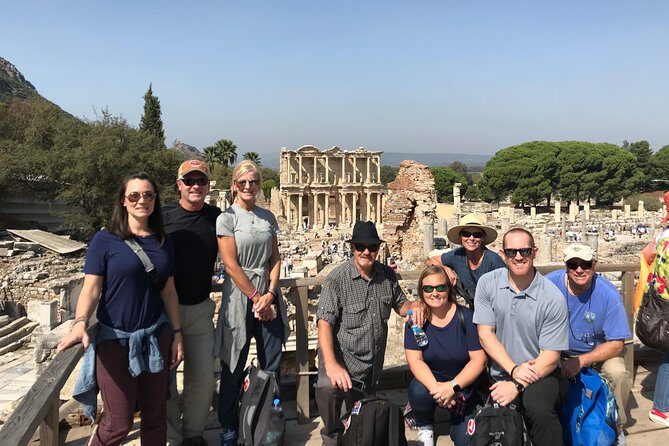
You meet at the exit of the cruise port, where a professional licensed local guide greets you and stays with you throughout the private day. This matters more than it sounds. In Ephesus, the ruins are spread out, and the “right” route isn’t always the most obvious one. Having your guide with you from the start helps you move efficiently and avoid wasting minutes sorting out logistics.
One nice detail from the way the tour is run: they actively coordinate return time based on your specific ship. Because there are different arrival and departure schedules across ships, the operator checks timings carefully with passengers and adjusts the plan to match.
Also, because it’s private, you’re not stuck waiting for a late person in your group. Your day runs on your group’s pace.
Stop 1: Meryemana (Mary’s House) and the Papal Visits
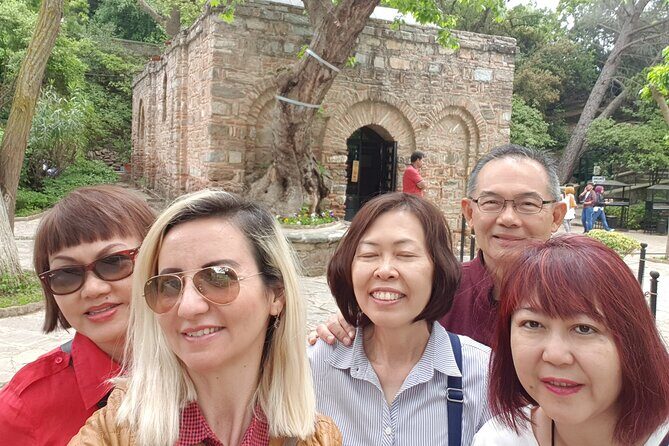
Meryemana, also called the Virgin Mary’s House, is a spiritual stop with real pilgrimage gravity. The place is believed to be where Mary spent her final years. Even if you’re not a devotional traveler, it’s still a meaningful contrast to the archaeological density later in the day—quiet, focused, and removed from the noise of the big Roman thoroughfares.
The guide experience is a big part of why this stop works. You get context about why this site has remained important over decades, including visits from popes such as Pope Paul VI (1967), Pope John Paul II (1979), and Pope Benedict XVI (2006). Gifts and blessings from those visits are still on display for visitors.
Plan for about one hour, and remember: admission ticket is not included. In practice, the tour indicates they provide pre-purchased tickets with the guide and you pay in cash.
Tip: If you’re sensitive to crowds, this is the moment you’ll feel most thankful you met the guide promptly after docking. Even when Ephesus is busy, you can sometimes keep this stop calmer.
Stop 2: Ancient City of Ephesus, UNESCO-Listed and Built for Big Stories
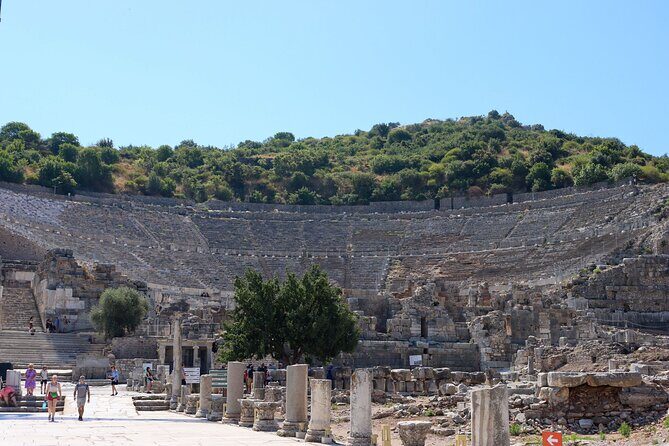
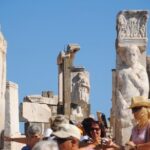
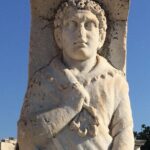
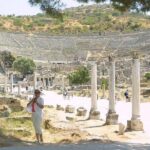
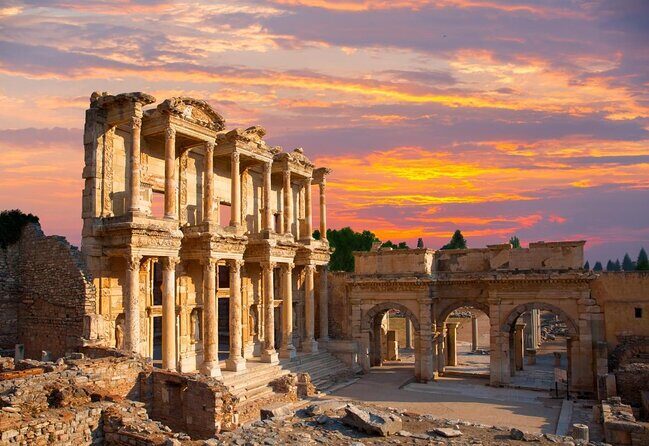
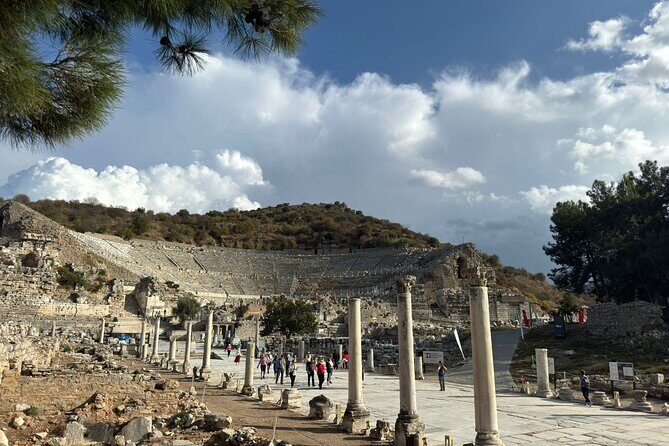
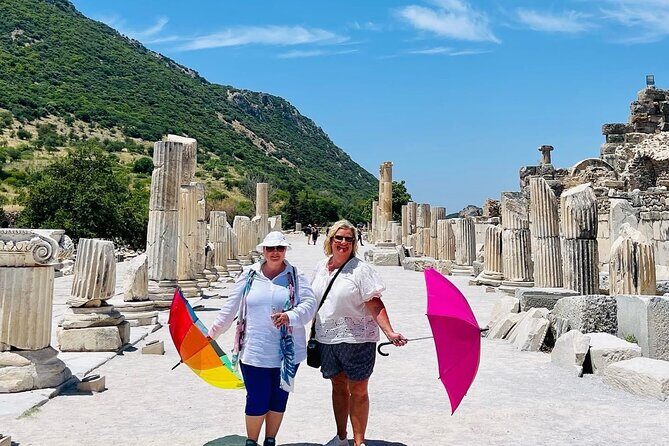
This is the headline: the UNESCO-listed Ancient City of Ephesus, one of the best-preserved Greco-Roman cities in the world. Your guide walks you through key buildings so the ruins stop being random stone and start making sense as a working city.
You’ll see major stops such as the:
- Odeon, tied to music and performances
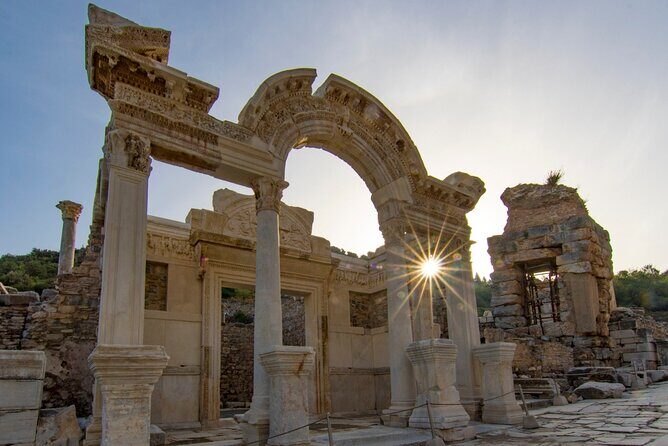
- Temple of Domitian, an early Roman emperor temple
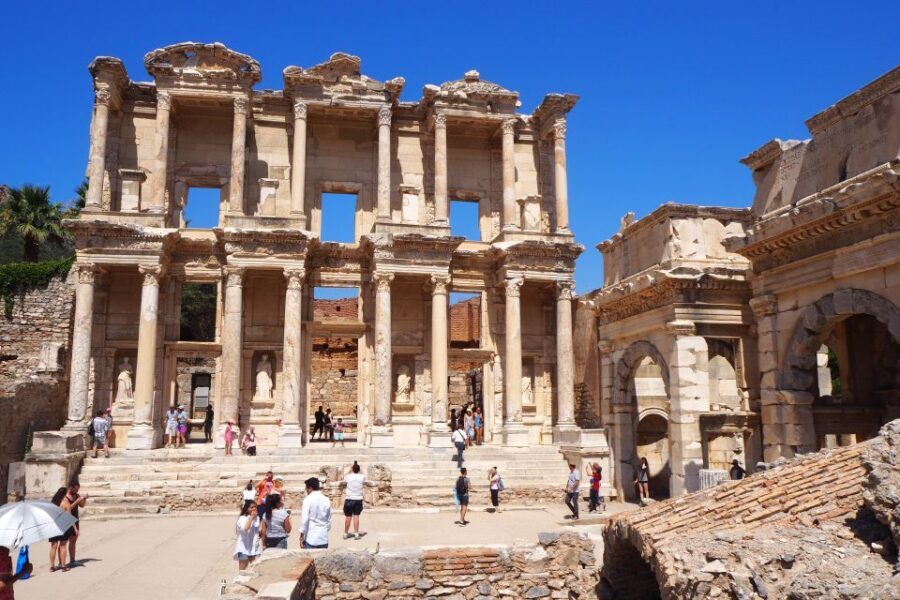
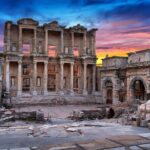
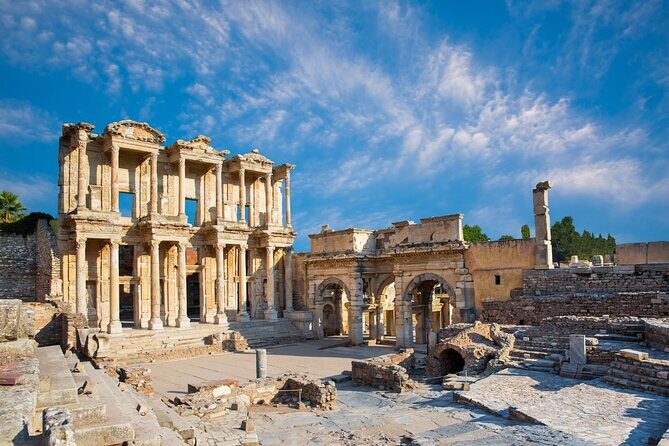
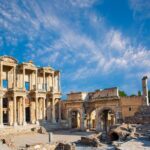
- The Celsus Library, one of the iconic images people come for
- Great Theatre with seating around 24,000, connected to St. Paul’s preaching to the Ephesians
- Marble Street and its “processional” feel
- Roman Baths, fountains, temples, agora, and public toilets
- The Love House (a building associated with traditional narratives that show up in Ephesus tours)
This is also where your guide’s pacing matters. With a private setup, you’re less likely to get stuck rushing through the most meaningful corners while everyone else tramples past at the same speed.
A small reality check: Ephesus can feel packed at peak times. Your best move is to keep your eyes up for details your guide points out—doorway shapes, street alignments, and how public spaces connect—because that’s what turns crowds into background noise.
Optional Add-On: Terrace Houses
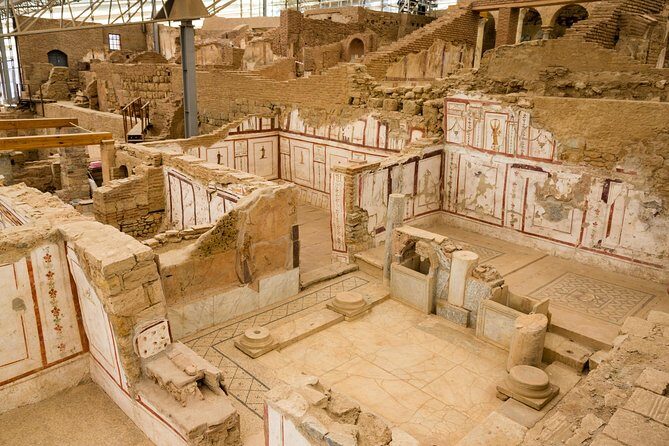
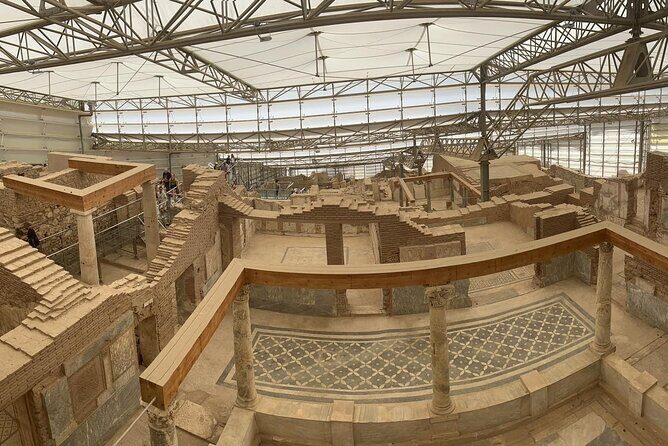
The Terrace Houses are often what separates a standard Ephesus day from a more memorable one. You’ll have the chance to visit the Terrace Houses complex, typically around 45 minutes. The complex is made up of luxurious residential villas on the northern slope of Bülbüldağı Hill, built near Curetes Street and across from the Temple of Hadrian.
Two housing complexes—Eastern and Western—have been excavated so far, and the street layout follows the Hippodamian plan (roads crossing at right angles). Excavation began in 1960, and restoration continues, meaning you might see ongoing work rather than only a finished museum feel.
One practical point: admission tickets for this stop are also not included. Like other sites, you pay as directed with the guide.
If you’re a fan of mosaics, domestic life, or you just want one part of the day where you slow down and look at smaller details, this add-on tends to be worth it.

Stop 3: The Temple of Artemis, plus a Distant St John Basilica View
After city streets and theatres, you’ll shift to myth and monument scale at the Temple of Artemis. Artemis was the Greek goddess associated with hunting and tied closely to Apollo, and in the Artemis story this temple links to earlier sacred ground connected to the Anatolian Mother Goddess Cybele.
This is a shorter stop—about 15 minutes—but it comes with context you can’t easily pick up from staring at a few remaining columns. The temple was built around 650 BC, and it was financed by a wealthy king of Lydia. The marshy ground was chosen carefully as a precaution against future earthquakes, which gives you a sense of how practical the ancient builders were even for monumental projects.
While you’re in the area, you can also see the Saint John Basilica from a distance. St. John is believed to have spent his final years around Ephesus, with his tomb associated with the basilica’s central dome.
This pairing is a smart way to vary the day. The main ruins give you the “Roman city working” feeling, while Artemis and the distant basilica add a different layer to what Ephesus meant to the people who lived around it.
Transportation, Comfort, and the Value of a Private Vehicle
This tour includes transfers by A/C minivan, with a separate driver. That sounds basic, but in Kusadasi it’s part of the value equation. You’re not just buying guide time; you’re buying time savings and comfort while you move between sites and adjust around crowds and walking distances.
Because it’s private, you’re also not playing the stop-and-go group game where someone’s always trying to keep their spot in front. Your vehicle and driver keep you on your guide’s plan.
English guidance is included, and the tour indicates a mobile ticket is provided as part of the experience. You’ll want to bring a charged phone for navigation or photos, and keep your water handy—this part of Turkey can be warm even when the day starts cool.
Museum Tickets and Cash: The One Budget Variable
The tour price is listed at $29 per person, which is notably low for a private cruise-port Ephesus day. That doesn’t mean admission is free, though. The big ticket items—site and museum admissions—are not included.
The tour indicates they will provide pre-purchased tickets with the guide, and you pay the cost as cash. So when you budget, think of the $29 as covering your guide, transport, and cruise logistics, not all on-site entries.
Currency advice you might consider: one reviewer suggested bringing euros because Turkish lira can be harder to use. You’re not required to do this, but it’s a sensible travel habit if you’re unsure about cash handling.
Practical tip: bring enough cash for admissions and any small purchases you decide to make. If you have a card, keep it too, but don’t rely on it for every ticket.
Shopping Stops: Handicrafts, Carpet and Leather Showrooms, and How to Handle It
The tour includes time to explore local handicrafts, and you may have a “genuine shopping experience” with your guide at your side. That can be fun: you can see how things are made and learn how the region preserves craft traditions.
But here’s the balancing act. Some days include carpet and leather workshops that can feel like selling time. That doesn’t automatically mean it’s a bad experience. If you like the idea of watching how rugs are produced, it can be interesting. If you hate high-pressure sales, it can feel awkward.
Your best move: communicate your preference early. Tell your guide you want to keep shopping time limited. A private day is exactly when you can steer the agenda, so be direct about what you want.
Also, set expectations before you start paying attention to colors and textures. If your goal is mostly archaeology, treat shops as a brief cultural stop, not the main event.
Which Guides You Might Get (And What to Look For)
The operator uses different licensed local guides, and the reviews show a pattern: people remember the personality and how clearly the guide explains the sites. Names that show up in feedback include Fatima, Ismail, Canan Aydin, Bugra, Ozzy, Nilay, Ender, Mehmet, Memet, and Tayfun Ulupinar.
Since you’re booking private, you can also look for a guide style that matches you:
- If you want storytelling and big-picture connections, watch for a guide who links buildings to everyday life
- If you like details, ask for specific explanations around Celsus, the theatre seating scale, or what the Terrace Houses show about domestic space
Once you’re on the ground, ask one good question early. A great guide will adjust their pace to your curiosity.
Price and Timing: Is It Good Value?
At $29 per person, this tour has strong value on paper—especially because it includes a guide, private transfer by A/C minivan, and the most important line item for cruise passengers: guaranteed on-time return.
To judge value fairly, compare what you’re actually paying for:
- You’re not paying to use transportation just to get there and back. You’re paying for logistics that protect your ship departure.
- Your guide time matters in Ephesus because the sites are spread out and there’s a lot to interpret.
- Museum admissions are extra, so you’ll want a cash buffer.
If your priority is seeing the core Ephesus highlights without the stress of ticket lines and big-group schedules, this price-to-coverage ratio is hard to beat. If you’re determined to spend maximum time inside every building and you’re comfortable handling crowds and entry logistics on your own, a cheaper self-guided plan might sound tempting—but you risk missing the ship clock.
Who This Private Ephesus Tour Fits Best
This is a smart choice if:
- You’re on a cruise with limited port time and want a plan that takes the return risk off your shoulders
- You prefer private pacing over group logistics
- You want the big Ephesus sights with enough explanation to make them meaningful
- You’d like the option for Terrace Houses without having to organize it yourself
It’s less ideal if:
- You strongly dislike any craft or showroom stops
- You don’t want to carry cash for ticket payments
- You need a fully silent, do-it-yourself day
If your travel style sits in the middle, this private format usually hits the sweet spot.
Should You Book This Tour?
I’d book this tour if Ephesus is your must-see and you’re traveling on a cruise day. The on-time return guarantee plus private guiding turns a stressful port day into a structured, mostly worry-free experience. You also get the key mix—Mary’s House, the UNESCO city highlights, and a shift to Artemis and the distant Saint John Basilica view.
Before you go, do two things: plan for museum tickets paid on-site, and tell your guide how you feel about shopping time. If you share your preferences early, you’ll keep the day focused where it should be—on the ruins.
FAQ
How long is the Best of Ephesus Private Tour?
It runs about 4 to 6 hours, depending on port timing and how long you spend at the stops.
What does the tour include?
You get a professional licensed local guide, a private tour setup, cruise port pickup and drop-off, transportation in an A/C minivan with a separate driver, and guaranteed on-time return to the cruise ship.
Are museum and site tickets included in the price?
No. Museum tickets are not included. The tour indicates tickets may be pre-purchased with the guide, and you pay as cash.
What is the meeting time after my ship docks?
You’re strongly encouraged to meet the team within 30 to 45 minutes after your ship arrives.
Does the tour skip long lines?
Yes, one of the highlights is skipping long lines at Ephesus through the tour’s guided access and logistics.
Can the itinerary be customized?
Yes. The tour says the itinerary can be customized to suit your interests.
Is this a private tour or a group tour?
It’s a private tour/activity, so only your group participates.