REVIEW · KUSADASI
Ephesus: 4-Hour Guided Tour with Transfer from Kusadasi
Book on GetYourGuide →Operated by Ephesus Tour Company · Bookable on GetYourGuide
Marble streets in the sun, then Artemis. I like how this Ephesus tour packs the key sights into a tight four hours, with a guide who keeps the ruins understandable instead of random stones. I also like the private A/C van pickup, which makes a shore excursion feel calm instead of rushed.
One thing to plan for: entry tickets are not included, and you’ll pay when you arrive at the archaeological site. The route includes walking on uneven surfaces, so bring shoes you’d happily use on old-town streets with steps and uneven stone.
In This Review
- Key things to know before you go
- From Kusadasi to Ephesus: the transfer that makes a short day work
- The guided walk through Ephesus’ marble streets
- Celsus Library, Agoras, and the Grand Theater moment
- Side streets with names: the details you’ll actually remember
- Temple of Artemis (Artemision): a short stop with big context
- Pacing, walking, and what four hours really feels like
- Price and value: what $89 includes, and the entry-ticket wildcard
- Guide language, private group dynamics, and the reality of a 4-hour stop
- Who this tour fits best (and who might prefer a longer plan)
- Should you book Ephesus: 4-Hour Guided Tour with Transfer from Kuşadasi?
- FAQ
- How long is this tour?
- Where does pickup happen?
- Is this tour private?
- Is transportation included?
- How much of the tour is spent in Ephesus?
- Do I visit the Temple of Artemis?
- Are entry tickets included in the price?
- What should I bring?
Key things to know before you go
- Kuşadası to Ephesus is handled for you with roundtrip shuttle by private A/C van
- 105 minutes inside Ephesus with a live guide focused on the major landmarks
- Temple of Artemis stop is short but direct (about 25 minutes) so you see what you came for
- Entry tickets are extra even though the tour is marketed as skipping the ticket line
- Spanish or English guide options for an easier, smoother visit
- Comfortable shoes matter because you’ll walk on uneven ground at an archaeological site
From Kusadasi to Ephesus: the transfer that makes a short day work
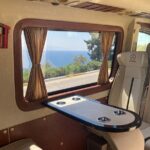
This is a good format for a port day. You meet in Kuşadası and head out by private transportation in a late-model, air-conditioned van. That matters because Ephesus is never a “pop in after lunch” place. It needs time. A lot of time. This tour’s whole trick is using the travel time efficiently so you still get quality time among the ruins.
If you’re arriving by cruise, the pickup is at the cruise ship arrival terminal. If you’re staying in town, it’s at your hotel reception in Kuşadası. Either way, you’re not stuck trying to solve logistics while you’re on a clock.
Four hours sounds short, and it is—so the pacing is the point. You’ll get a guided walk through the big highlights rather than wandering aimlessly or waiting around. Think of it as a guided “greatest hits” version that’s still grounded in context.
You can also read our reviews of more guided tours in Kusadasi


The guided walk through Ephesus’ marble streets
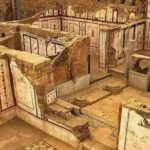
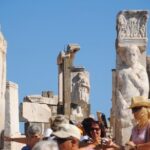
Once you’re at the archaeological site, the schedule starts with the heart of Ephesus. Your guided portion inside the ancient city is about 105 minutes, and it’s designed to hit the most recognizable structures in a logical flow.
Ephesus wasn’t just another city. It was one of the 12 cities of the Ionian League, and it served as a major departure point for trade routes into Asia Minor. That explains why the city looks the way it does: it had money, visitors, and reasons to build impressive public spaces.
As you walk, your guide points out the named landmarks you’d otherwise miss:
- State Agora (the civic center energy you can still feel)
- Odeon (the kind of building that tells you performances and public gatherings mattered)
- Memnius Monument
- Temple of Domitian
- Polio Fountain
- Curetes Street
- Trajan Fountain
- Baths of Scholastica
- Hadrian Temple
- Latrina (yes, the ancient toilet complex is part of the story—people lived in this place)
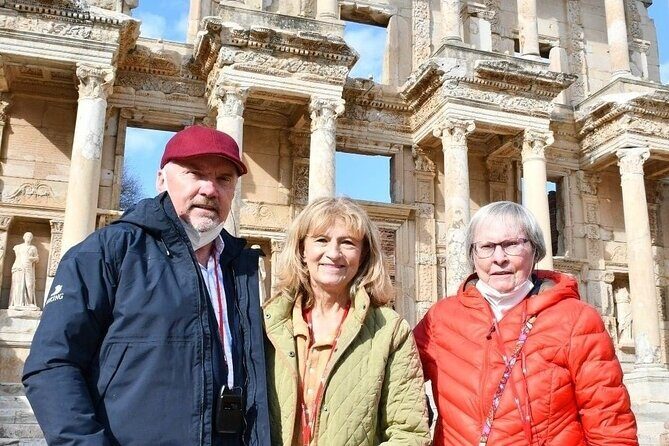
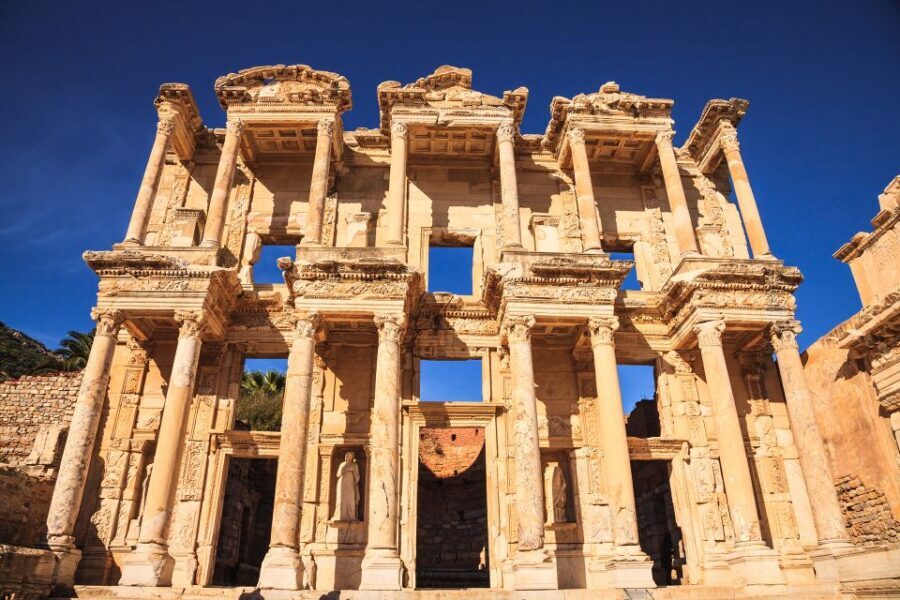
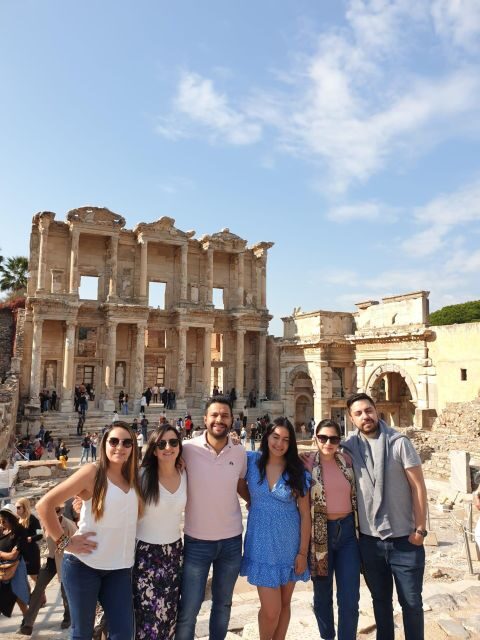
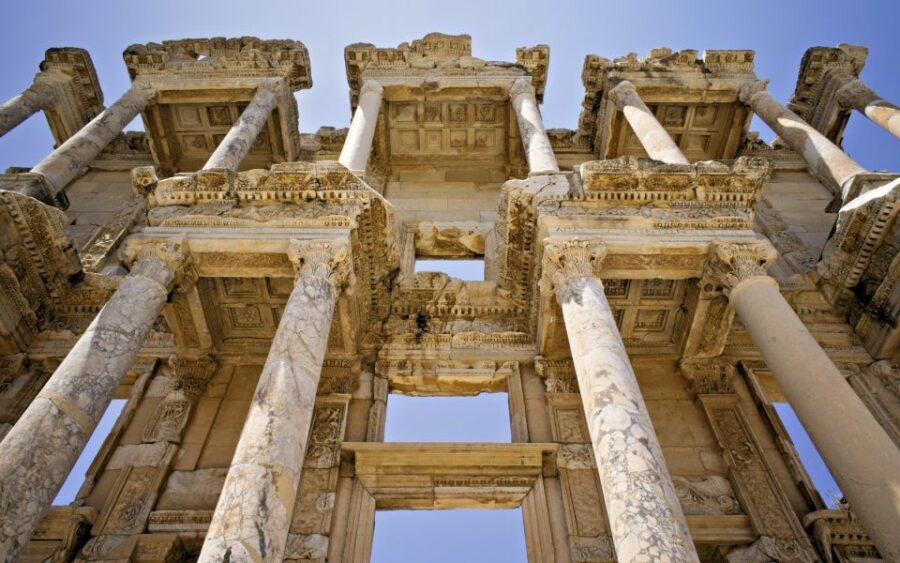
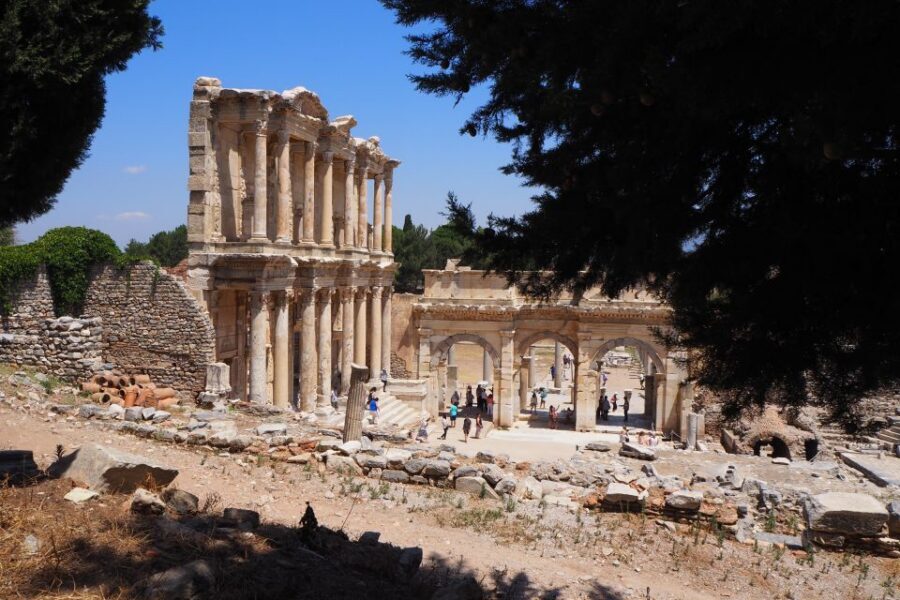
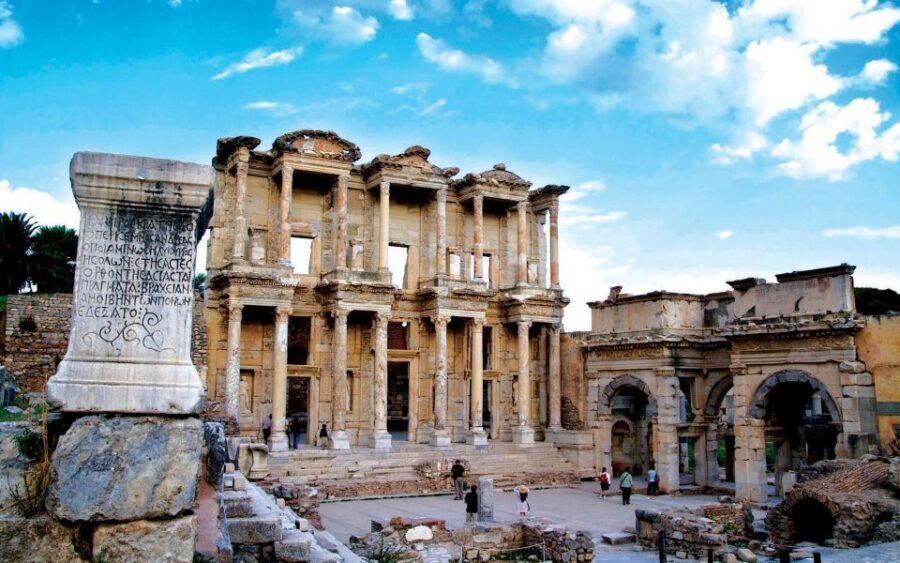
- Celsus Library
- Gate of Mithridates and Mazes
- Commercial Agora
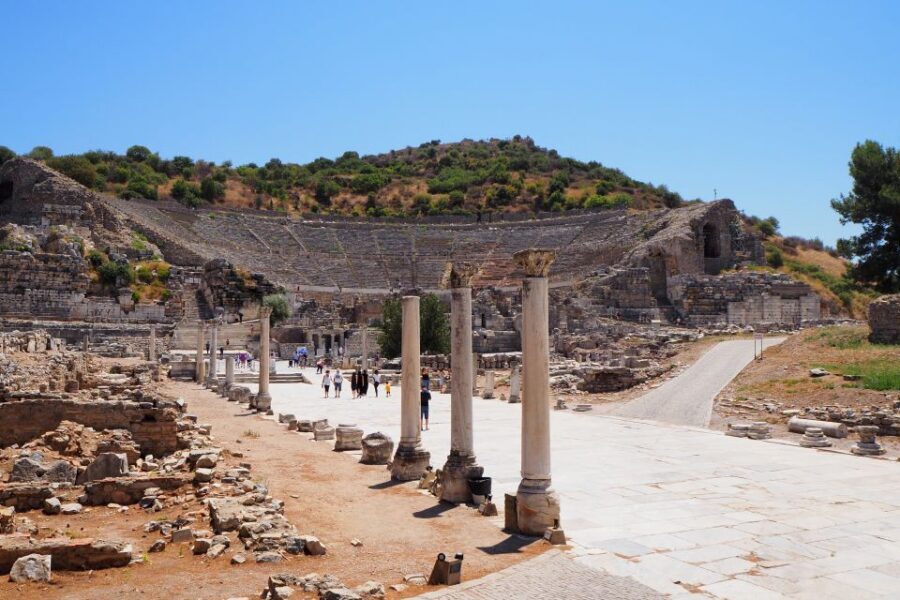
- Grand Theater
Here’s what I like about this approach: the guide ties buildings to daily life. It’s not only “Look at the ruins.” It’s more like “Here’s what this city used for.” That turns a sightseeing checklist into something you can actually picture.
Celsus Library, Agoras, and the Grand Theater moment
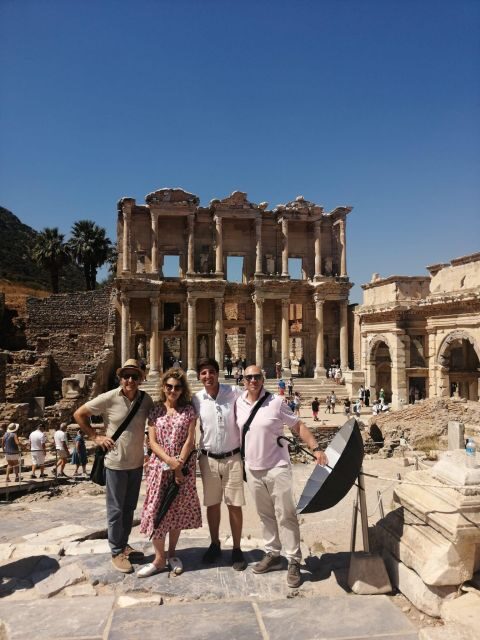
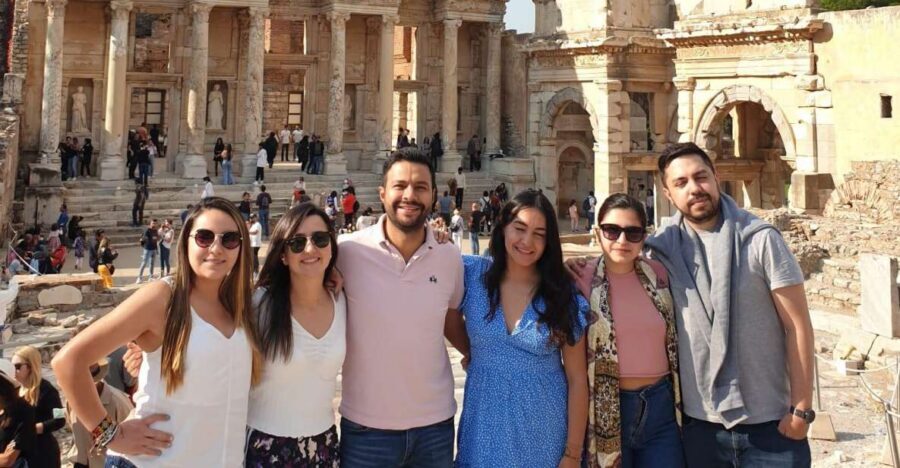
Some ruins are famous for a reason. Celsus Library and the Grand Theater are the two that usually make people sit up straighter.
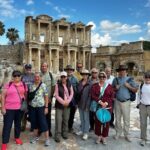
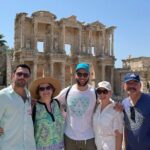
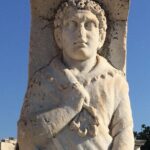
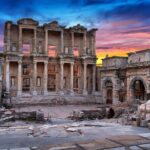
At Celsus Library, you’re looking at a building that symbolized knowledge and status in the Roman world. Even if you’re not a “museum person,” it helps to understand that libraries here weren’t quiet backrooms. They were part of public life and urban prestige.
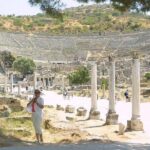
Then comes the Grand Theater. It was built in the 3rd century B.C. and later expanded by the Romans in the 1st century A.D. The big number attached to it is 24,000 spectators. Even if you don’t count rows or measure capacity, you can feel what that scale means: this was an entertainment and public-event machine.
The guide’s job in this section is key. Without it, theaters can blur together across Europe. With it, you get the sense of why this one mattered in Ephesus specifically, and how the city used large spaces to pull people together.
The Agoras—State Agora and Commercial Agora—are the other main experience. They help you understand Ephesus as a working city, not a dead postcard. You’re walking through the bones of administration and commerce, which is exactly what makes the city’s layout click.
Side streets with names: the details you’ll actually remember
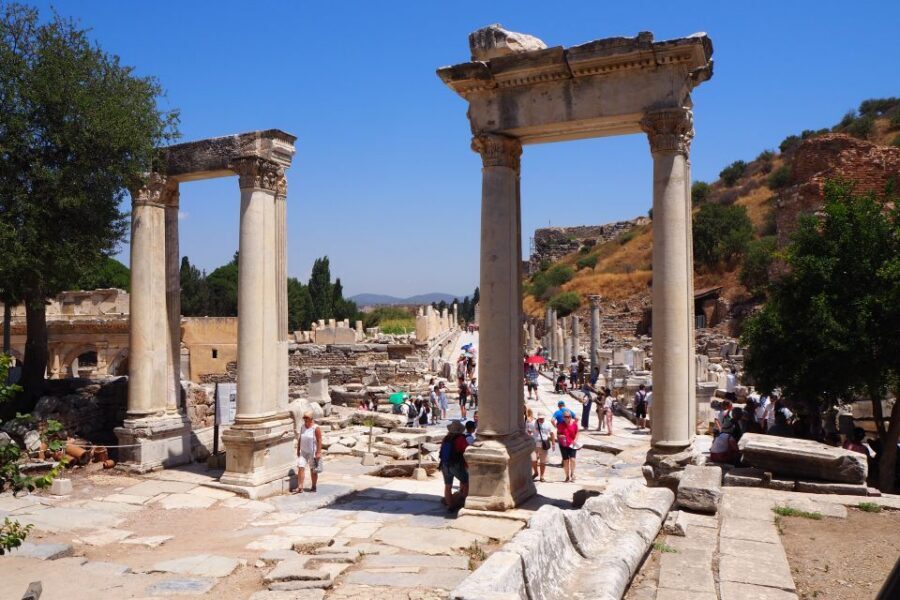
Ephesus isn’t only big monuments. It’s also long street segments and smaller buildings that make the city feel “lived in.” That’s where a guided tour earns its keep.
On your walk you’ll pass highlights like Curetes Street, Trajan Fountain, and Polio Fountain. These are the kinds of elements that can disappear if you just take photos and move on. A good guide helps you notice how water, street design, and public spaces worked as part of daily routines.
You’ll also see the Baths of Scholastica and Hadrian Temple—both useful for understanding how religious life and public facilities blended into the urban landscape. And yes, Latrina is included in the walk. It’s not glamorous, but it’s real. It’s also a reminder that ancient cities handled sanitation as a public system, not a private convenience.
If you enjoy places where history shows up in practical design, this “street-and-building” portion is where you’ll feel the tour is worth the price.
Temple of Artemis (Artemision): a short stop with big context
After Ephesus, you’ll head to the Temple of Artemis—often called Artemision (also loosely associated with the Temple of Diana). This is a Greek temple dedicated to a local form of the goddess Artemis.
The guided visit here is about 25 minutes. That’s not a long time, but it works for two reasons:
- You already covered the city’s layout and major civic buildings.
- Artemis is the single outside highlight that completes the story.
At this stop, the goal is to understand the relationship between sacred places and the wealth of a major city. Artemis wasn’t just a religious figure; the temple was part of the identity and economy of the region. Even with limited time, you’ll leave with a clearer idea of why Ephesus carried such weight in antiquity.
You can also read our reviews of more tours and experiences in Kusadasi





Pacing, walking, and what four hours really feels like
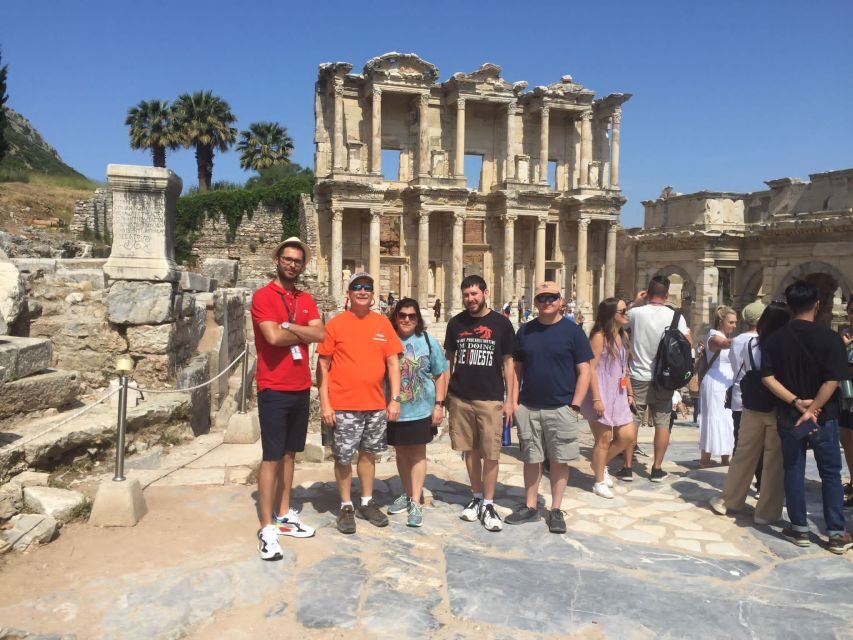
This is a 4-hour tour, including pickup, transfer, and return to Kuşadası. The on-site guided time is roughly 105 minutes in Ephesus plus 25 minutes at the Temple of Artemis. The rest is travel and buffer.
That pacing means you won’t have the freedom to linger in one spot for an hour. But you also won’t spend your day wandering with no plan. You’ll walk a lot, and the ground is uneven, since it’s an archaeological site.
My practical advice is simple:
- Wear shoes that handle cobbles, ramps, and stone steps.
- Expect a steady pace.
- Take photos when they matter, not while rushing for the next landmark.
If you like structure, you’ll probably enjoy this format. If you need lots of slow time to sit and absorb, you might feel slightly compressed.
Price and value: what $89 includes, and the entry-ticket wildcard
The price is $89 per person for a 4-hour guided experience with roundtrip private transportation. What you get is solid:
- Professional tour guide
- Private A/C transportation in a late-model van
- Parking fees
What you don’t get is the key line-item people forget: entry tickets and lunch.
Also, the tour is described as skipping the ticket line. That’s helpful for keeping the day moving, but you should still plan to buy your admission ticket on arrival. In one booking experience, the entry fee was much higher than a lower amount that was expected on paper. The point for you: treat admission as an extra cost you should budget realistically, not something you can assume will match a small estimate.
Even with that wildcard, the math often still works if:
- You want a guided route through major ruins in limited time
- You prefer a private van transfer instead of figuring out public transport
- You value having a live guide explain what you’re seeing
If you’re traveling solo and comfortable driving yourself, you could create a DIY plan. But if you’re on a shore day and want less stress, this is the kind of packaged value that makes sense.
Guide language, private group dynamics, and the reality of a 4-hour stop
Your guide is live and speaks Spanish or English. That matters more than many people expect. Ephesus can be overwhelming—there are so many named spots, and without language support, you end up translating with your phone screen while trying to stand still.
This tour is also a private group, not a shared bus with strangers. That usually means you get a more responsive pacing. If you have questions about what you’re seeing (or you simply want clarification without a crowd waiting), this setup tends to feel easier.
There’s one minor “keep your expectations aligned” note: the tour might include a short stop at a traditional Turkish shop. That’s not unusual on these routes, but it does mean your day could include a brief detour. If you want pure ruins time only, you’ll want to be mentally ready for that short shop stop.
Who this tour fits best (and who might prefer a longer plan)
This works best if you:
- Are doing a Kuşadası shore excursion and need a tight schedule
- Want a guided route through the most important Ephesus buildings
- Appreciate context—especially the meaning of civic spaces, theaters, and temples
- Prefer private transportation and a live guide in English or Spanish
It might not be ideal if you:
- Want hours of independent exploring with zero structure
- Hate walking on uneven archaeological surfaces
- Want to spend lots of time in one spot (this tour spreads time across key highlights)
For first-timers, it’s a very efficient way to get oriented. For repeat visitors, it’s more of a refresher than a deep, self-paced excavation of side areas.
Should you book Ephesus: 4-Hour Guided Tour with Transfer from Kuşadasi?
If you want a smart first pass at Ephesus without turning your day into a logistics puzzle, I think this is a good booking. The combination of a private A/C van, an organized route, and a live guide in English or Spanish makes the limited time feel purposeful. You’ll see the core city highlights—Celsus Library, Agoras, and the Grand Theater—plus the Temple of Artemis stop that closes the loop.
The main caution is practical: entry tickets cost extra, and the actual gate amount can be higher than what you might expect from simple estimates. Budget for admission, wear good shoes, and treat this as a guided “best-of” visit rather than a slow, wandering museum day.
If that matches your travel style, book it. It’s exactly the kind of short, focused outing that turns an hours-long port day into real memories.
FAQ
How long is this tour?
The total duration is about 4 hours.
Where does pickup happen?
Pickup is included from the cruise ship arrival terminal or from your hotel reception in Kuşadası.
Is this tour private?
Yes. It’s a private group tour.
Is transportation included?
Yes. It includes private transportation by late-model van with A/C, plus parking fees.
How much of the tour is spent in Ephesus?
You’ll have about 105 minutes of guided time in the Ephesus ancient city.
Do I visit the Temple of Artemis?
Yes. The guided visit at the Temple of Artemis lasts about 25 minutes.
Are entry tickets included in the price?
No. Entry tickets are not included, and you must pay when you arrive at the archaeological site.
What should I bring?
Bring comfortable shoes, since the tour includes walking on uneven surfaces.