REVIEW · KUSADASI
Kusadasi: Guided Pamukkale Tour
Book on GetYourGuide →Operated by Tour Altinkum · Bookable on GetYourGuide
A day at Pamukkale changes how you picture Turkey. You’ll see the famous white travertine terraces and Hierapolis ruins, plus you get a real break to soak your feet or even swim in the thermal baths. It’s a long day, but it’s built around big, visual stops and a guided walk that keeps the time feeling worth it.
The parts I like most are the chance to get up close to the Pamukkale terraces with a guide, and the way the route adds culture on the drive with Turkish villages along the way. You also get a proper meal included, which saves you from scrambling at lunchtime. One thing to consider: time for swimming can feel tight for some people, and the buffet lunch quality varies.
In This Review
- Key things to know before you go
- How the Kusadasi to Pamukkale schedule really feels
- Pamukkale: the terraces you came for (and how to make them count)
- Hierapolis ruins: pairing history with the springs
- The ride includes villages, and it may include a stone workshop
- Lunch at the midpoint: useful, but don’t expect restaurant-star quality
- Price and value: is $59 worth it?
- The guide and the language: where the experience can vary
- Who this tour suits best (and who should reconsider)
- Should you book the Kusadasi Guided Pamukkale Tour?
- FAQ
- Where does the tour pick you up and drop you off?
- How long is the tour?
- Do I need to pay admission fees on top of the tour price?
- Is lunch included?
- Can I swim in the thermal baths?
- What should I bring for the thermal baths?
- Is the tour guide in English?
Key things to know before you go
- Hotel pickup + round-trip transfers from Kusadasi (and Selçuk) keep the day smooth
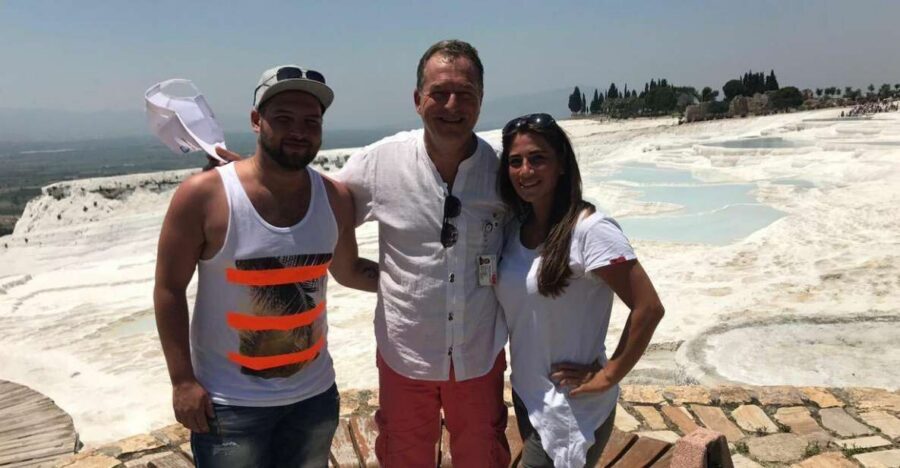
- 3.5 hours at Pamukkale includes guided time plus free time for the thermal pools
- Hierapolis ruins sit right by the springs, so you get history on the same day
- Skip-the-ticket-line support is handled via your guide, with any used entry tickets paid in cash
- A short stone workshop stop may happen, and it’s not everyone’s favorite use of time
How the Kusadasi to Pamukkale schedule really feels
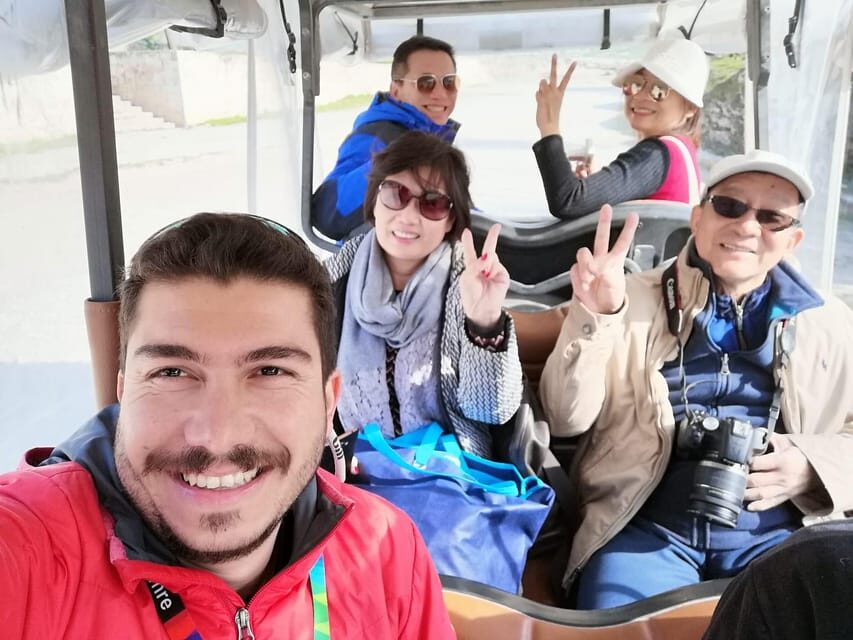
This is a classic “big day” tour: hotel pickup, two long drives, and then a concentrated block of sightseeing at Pamukkale and Hierapolis. Your day runs about 12 hours, with driving time doing a lot of the heavy lifting. If you like to pack in a lot without planning, that’s the appeal.
You’ll start with pickup options in Kusadası or Selçuk, then head out by air-conditioned non-smoking coach/vehicle. There’s a short break around the middle (about 30 minutes) so you’re not stuck forever on the road. The timing matters because once you reach Pamukkale, the experience is visual and physical, so you’ll want to arrive ready—comfortable shoes, a plan for water, and swimwear if you plan to use the pools.
The “rhythm” of the day is simple: drive in, spend about half the day at the springs and ruins, then drive back. People who get cranky about road time usually struggle with this format. If you’re okay with long transit for a top destination, you’ll likely enjoy the pace.
You can also read our reviews of more guided tours in Kusadasi


Pamukkale: the terraces you came for (and how to make them count)
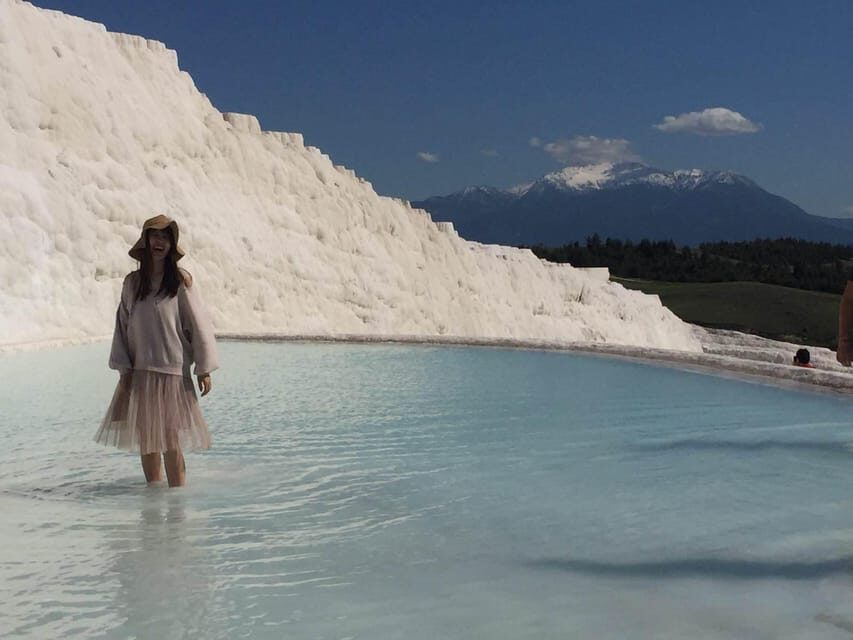
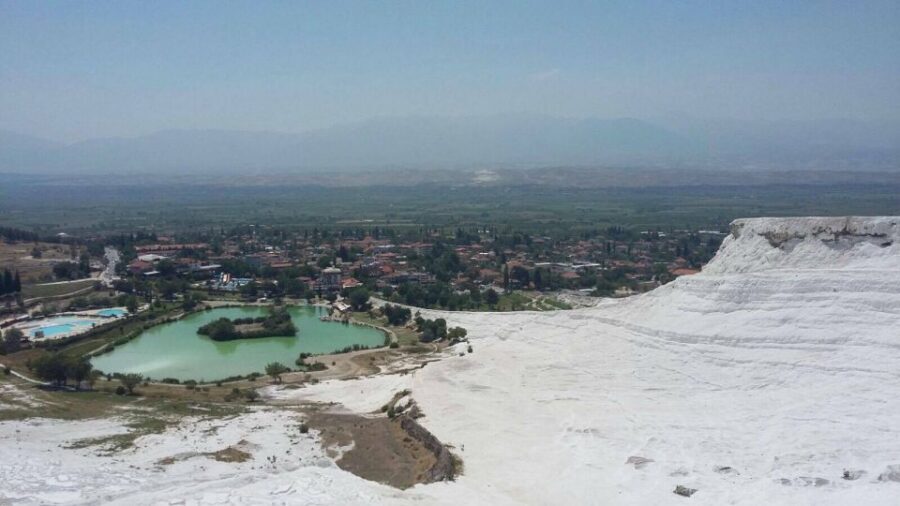
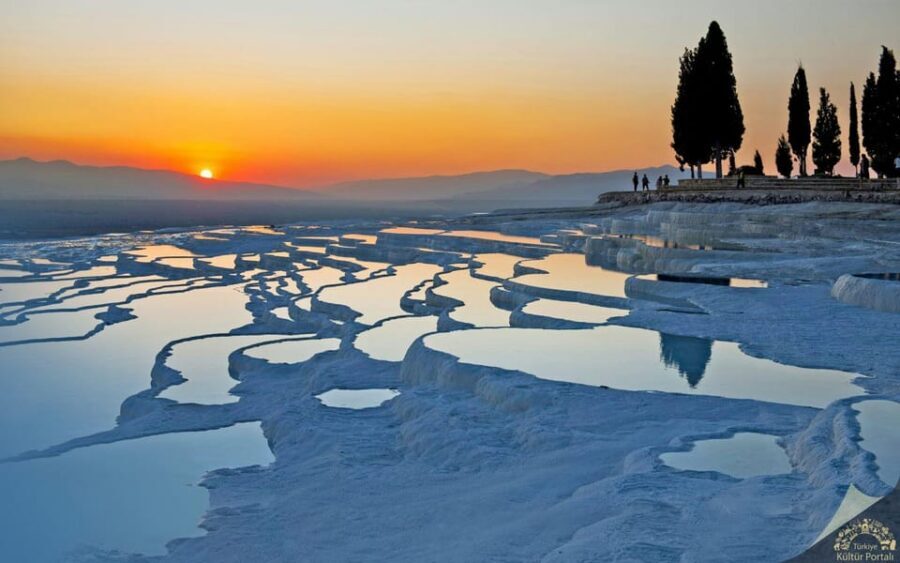
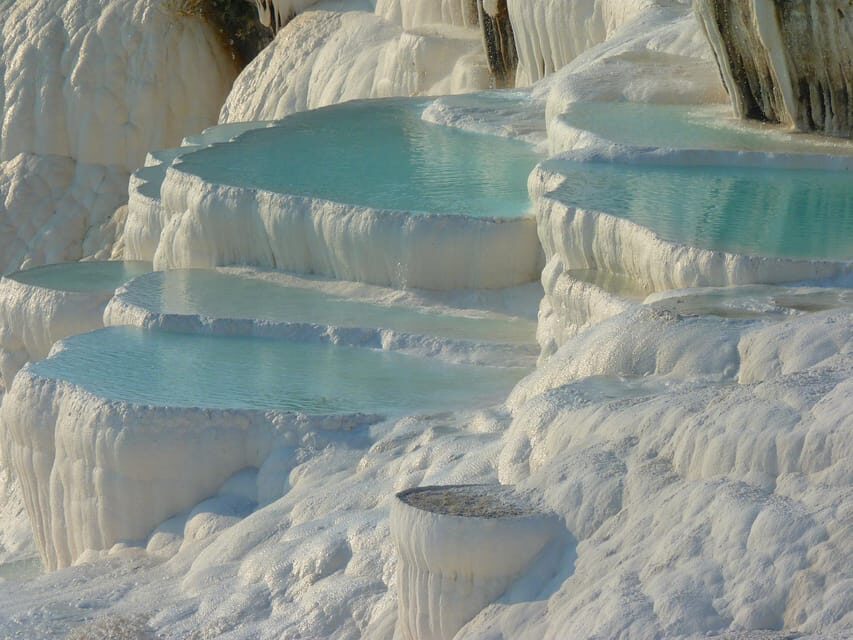
Pamukkale is the reason you’re here. The site is made of terraces of travertine created by hot springs and mineral-rich streams depositing carbonate. It’s a UNESCO World Heritage Site, and once you stand in the white, stepped formations, you understand why it draws crowds.
On the tour, you’ll get a guided tour plus photo stops and time to enjoy the area. The most practical part is the way the day includes free time—you’re not just walked past things. You can linger in the spots that catch your eye and take breaks if you need them.
You should plan around one key reality: Pamukkale is beautiful, but it’s also a place where you’ll be on your feet. Some visitors end up focusing on the terraces and skipping the full swim because changing takes time. If you want to swim, bring your swimwear and a towel, and keep your clothing-change process simple. Having your items accessible reduces stress when the moment arrives.
Also, remember that entry fees aren’t included in the tour price. Your guide has pre-paid skip-the-line arrangements to avoid long queues, but any used admission tickets are paid to the guide in cash (dollars, euros, or Turkish lira). That means you should have some cash ready and not assume everything is fully covered.
Hierapolis ruins: pairing history with the springs
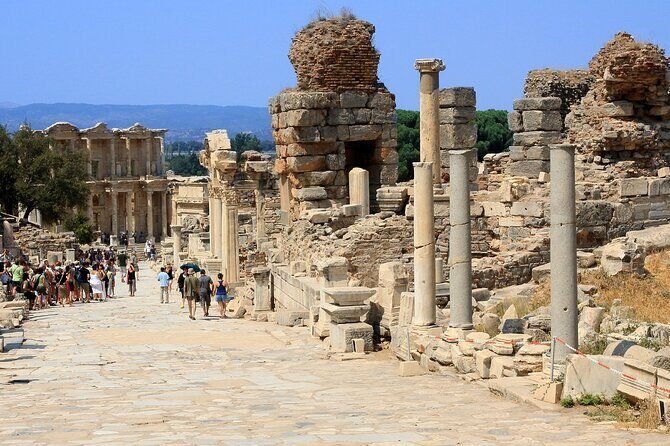
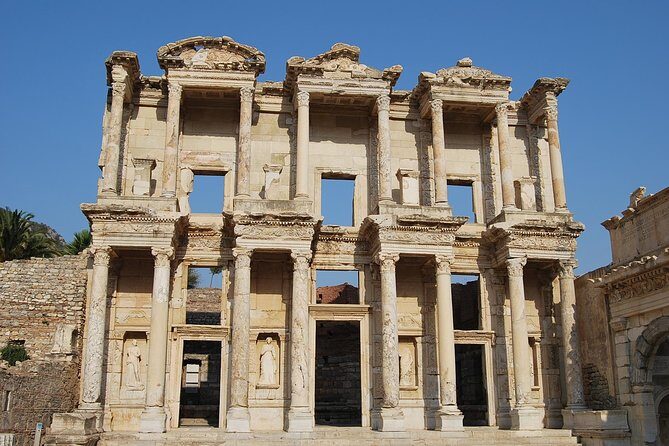
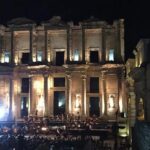
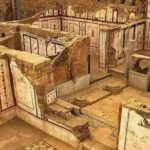
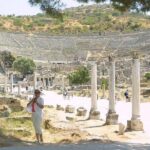
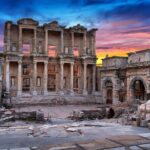
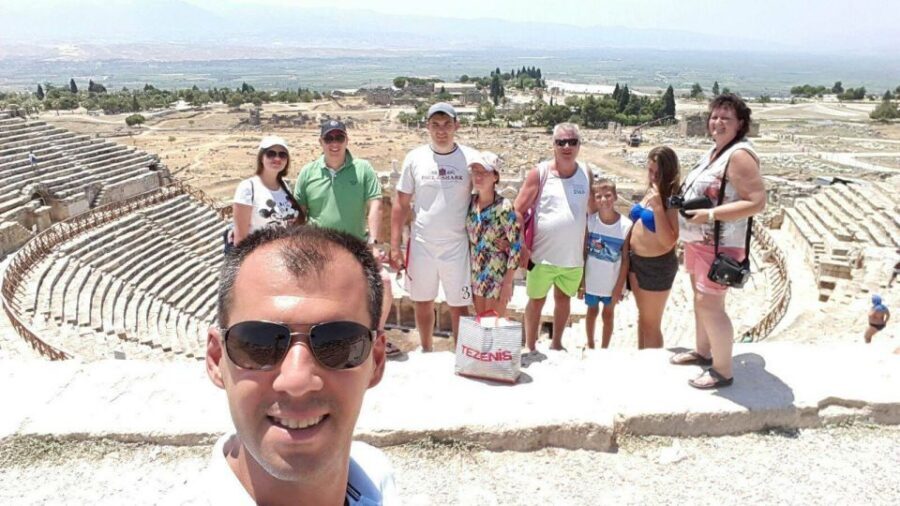
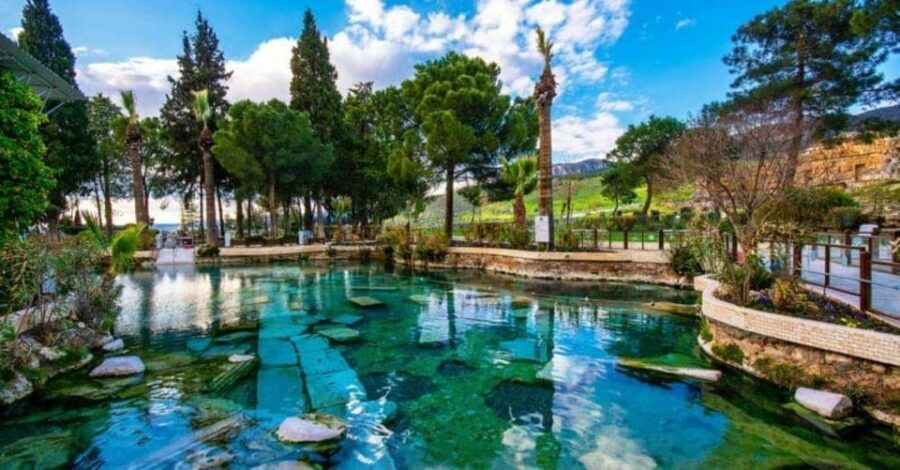
Just near Pamukkale is Hierapolis, an ancient city founded around 200 BC (linked to Eumenes II and the Amazon queen Hiera). What makes this stop satisfying is that it doesn’t feel like a random detour. You’re experiencing the springs area and the historic setting in the same overall visit.
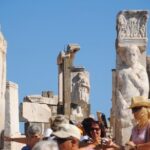
Hierapolis still preserves major monuments, so the guided component helps you interpret what you’re looking at instead of just taking photos. In places like this, a guide can also help you understand the flow of the site—where you should spend time and what you might be tempted to overlook.
A good sign from recent experience is that people who do this trip feel they got both the “wow” of Pamukkale and the “why” of the ruins. When the guiding is weaker, you can still enjoy the site, but the details may not land as well. So if you care about explanation, keep an open mind—and plan to read a little on your own too, so you leave with context, not just visuals.
The ride includes villages, and it may include a stone workshop
One of the reasons this tour feels more than a straight highway transfer is the drive. You’ll pass through and view Turkish villages, which adds a human, on-the-ground sense of place. This is the part of the day that’s easy to underappreciate, but it helps the trip feel less like a checklist.
There’s also a stop that shows up in some versions of the day: a stone workshop. It can be interesting if you like crafts or want a souvenir that has a story behind it. But if you’re focused tightly on time at Hierapolis and the thermal pools, you might feel that it takes minutes from the stops you actually came for. This is where your expectations matter: if you want maximum time in the UNESCO area, know that the tour format sometimes includes a commercial-style stop.
The bottom line: if you’re the type who hates being rushed, you’ll probably appreciate the breaks and the structure. If you’re the type who wants every minute outdoors at Pamukkale, treat the stone workshop as a possible trade-off.
Lunch at the midpoint: useful, but don’t expect restaurant-star quality
Lunch is included, and it helps you avoid hunting for food after a morning of driving and sightseeing. The tour typically builds in about 45 minutes for lunch, with a buffet-style setup.
Here’s the realistic part: buffet food quality can be inconsistent depending on how the meal is managed. Some people report that the buffet didn’t feel like good quality, and that desserts were limited by the time they reached the table. That doesn’t mean lunch is always bad, but it does mean you should go in with reasonable expectations.
If you’re picky about food timing or texture, consider a backup strategy. You can carry a small snack for peace of mind (as long as it fits what you’re allowed to bring), especially if you’re someone who really likes to linger at the terraces and then arrives at lunch with less patience. This isn’t luxury travel; it’s a day tour designed around logistics.



Price and value: is $59 worth it?
At about $59 per person, the tour price is appealing because it bundles the biggest cost drivers: guided time, hotel pickup/drop-off, and transportation. For a destination like Pamukkale, the convenience factor is huge. You’re paying for someone else to handle the long day, the timing between stops, and the ticket-line hassle your guide manages.
Where value gets tricky is in what’s not included. Admission fees to the attractions are excluded, so the final cost depends on what you pay on-site. Your guide helps with skip-the-line access, which reduces wasted time, but you still need to budget for entry tickets.
So the value equation looks like this:
- If you want a guided day with round-trip transfers and minimal planning: it’s strong value.
- If you already know Pamukkale well and prefer full independence: you might compare and find a cheaper do-it-yourself option.
- If you care deeply about food quality: you may feel the lunch drags down the experience.
Overall, people who want the “easy button” for Pamukkale and Hierapolis usually feel the price makes sense. The trip is also long, so it pays off when the guide explanation is clear and the time at the springs feels usable.
The guide and the language: where the experience can vary
Your tour includes a live guide in English, and that matters because Pamukkale and Hierapolis aren’t just photo spots—they’re layered places. When the guide explains clearly, the whole day clicks: you see more, understand more, and spend less time wandering.
That said, experiences can vary. Some reports describe guidance that felt less detailed, with explanations staying vague. Others describe a guide who was helpful and made the day run smoothly. You can’t control how every guide will present the site, but you can protect yourself by arriving with a basic idea of what you want to learn—formation of travertine, purpose of the hot springs, and why Hierapolis was so important.
Language note: if you’re hoping for Spanish instruction, this tour is listed as English, so you shouldn’t count on another language being available. If you speak only English at a comfortable level, you’re in the right lane.
Who this tour suits best (and who should reconsider)
This tour suits you if:
- You want one guided day that hits Pamukkale terraces and Hierapolis without planning routes
- You value hotel pickup and a timed schedule over total independence
- You’re okay with a long day and want the convenience of transport handled
- You like seeing culture along the road, not just the main site
It may not be ideal if:
- You have limited stamina and road time could feel rough
- You’re a “maximum pool time” person and hate filler stops
- You’re very sensitive to lunch quality and want a better meal experience
- You need very detailed narration to enjoy ruins and historical sites
If you’re in that middle zone—curious but practical—this tour usually lands well because the structure keeps you from getting lost in the details.
Should you book the Kusadasi Guided Pamukkale Tour?
I’d book it if Pamukkale and Hierapolis are top priorities and you want the stress removed. For the $59 price point, the combination of round-trip transfers, a licensed guide, and meaningful time on-site is the main win. The terraces and ruins are the real stars, and the tour is built around getting you there efficiently.
I’d think twice if your idea of a perfect day is: no workshops, no chance of a rushed feeling at the pools, and high-quality meals. The lunch is the weak spot for some, and the guide experience can vary. Also, if you plan to swim, pack smart and be ready—changing and getting situated can take more time than you think.
If you’re flexible and you’re excited to see those white travertine steps in person, this is a very solid way to do Pamukkale from Kusadasi.
FAQ
Where does the tour pick you up and drop you off?
Pickup is available from hotels in Kusadası and Selçuk. Drop-off is also in Selçuk and Kusadası.
How long is the tour?
The tour lasts about 12 hours.
Do I need to pay admission fees on top of the tour price?
Yes. Entry tickets are excluded. Your guide has pre-paid skip-the-line tickets, and any used entry tickets are paid to the guide in cash (dollars, euros, or Turkish lira).
Is lunch included?
Yes. Lunch is included during the tour (about 45 minutes).
Can I swim in the thermal baths?
Yes. The Pamukkale time includes swimming, along with free time to relax in the thermal baths.
What should I bring for the thermal baths?
Bring swimwear and a towel.
Is the tour guide in English?
Yes. The live tour guide is listed as English.