A port stroll with serious old-stone credentials. This half-day walking tour from Kusadasi Port mixes Genoese-era sights with everyday old-town life, all paced for real conversation with your guide. I especially like the chance to visit Güvercinada’s Genoese castle and to get your phone ready for standout architecture along the way.
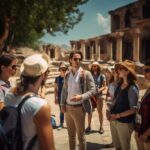
You’ll get a professional licensed English guide and headsets for each person, which is a big deal when you’re walking in busy streets near the harbor. With a maximum of 15 travelers, you’re not stuck listening while everyone else steamrolls the front of the group.
One thing to plan for: the ticketed stop at Güvercinada (Pigeon Island) costs extra (listed as €8 per person), since entrance isn’t included in the $12 price.
In This Review
- Key highlights at a glance
- Kusadasi Port to old-town: the pacing that works
- Güvercinada Kalesi on Pigeon Island: Genoese walls and UNESCO-level context
- Okuz Mehmet Pasha Kervansaray: a hotel with a very strange-looking silhouette
- Kaleici Camii: mosque architecture, plus the local life your guide brings in
- Old Kusadasi streets: the cafe-filled houses you can actually picture
- Price and value: $12 for the guiding, with one add-on ticket
- Who should book this Kusadasi walking tour
- Should you book it or pass?
- FAQ
- How long is the Kusadasi Walking City Tour from Kusadasi Port?
- What is the price per person?
- What does the tour include?
- Is the entrance fee for Güvercinada included?
- Are the other stops free?
- Is pickup available, and where do we meet?
- What group size should I expect?
Key highlights at a glance
- Small group (max 15) so you can ask questions without shouting over the port crowd
- Güvercinada Kalesi on a causeway-connected island, tied to Genoese trade-route history
- Okuz Mehmet Pasha Kervansaray with a distinctive pointed dome and triangular tip (great photo shape)
- Kaleici Camii stop with time to see the mosque interior and learn how locals live around it
- Old Kusadasi houses turned into cafes, bars, and shops for a real evening vibe
- Headsets included, so the guide’s explanations stay clear even while you walk
Kusadasi Port to old-town: the pacing that works
This tour is built for the kind of day where you’re docked, you have limited hours, and you still want something more meaningful than just a quick glance from the pier. It runs about 4 hours, and it starts right at the port area (meeting at Ege PortsCamikebir, Liman Cd. No:10, 09400 Kuşadası/Aydın, Türkiye).
If you’re using pickup, your guide waits at the exit of the terminal building holding a name sign. That matters in Kusadasi because port terminals can feel like a maze if you’re trying to find the right group on your own.
The walking pace is designed for a small group. That sounds like a marketing line, but the real value is simple: you spend time with the guide, not time catching up. You also get headsets for each person, so you hear the story while you’re moving—no awkward drifting behind the leaders.
English is offered, and the tour is described as suitable for most travelers. I’d treat this as a good first introduction to Kusadasi’s layout: island views, Ottoman-era structures, and then the old neighborhood atmosphere where people actually hang out.
You can also read our reviews of more walking tours in Kusadasi

Güvercinada Kalesi on Pigeon Island: Genoese walls and UNESCO-level context
The first stop is Güvercinada Kalesi (Küçükada)—a castle on an island in the Kusadasi district. The island connects to the mainland by a man-made causeway, so you get that mix of seaside arrival and a short shift into “historic site mode.”
What makes this stop more than a pretty shoreline is the background: the castle was built by the Genoese, and it’s been included (since 2020) on the UNESCO World Heritage Tentative List under the file Castles and Walled Settlements on the Genoese Trade Route from the Mediterranean to the Black Sea.
Plan your expectations like this: you’re not just touring stones. You’re seeing a piece of the trading-route story—how coastal powers built fortifications and how their influence showed up locally.
The one practical catch is cost. The entrance ticket isn’t included, and it’s listed as €8 per person. If you want to avoid surprises, budget that ahead of time and keep a little cash or card flexibility on hand for the ticket.
This stop runs about 1 hour 15 minutes, which is enough time to walk around, take photos, and still get the context from your guide instead of rushing through.
Okuz Mehmet Pasha Kervansaray: a hotel with a very strange-looking silhouette
Next you’ll head to a place near the pier: Okuz Mehmet Pasha Kervansaray. It was built in 1618 by Grand Vizier Okuz Mehmet Pasha, and the building has the feel of a small inner castle.
The architecture detail that makes people stop and aim their cameras is its shape: it has a triangular tip and a pointed dome at the top. That pointed geometry is the sort of feature you remember because it doesn’t look like the typical “flat-roofed” building around modern ports.
Today, it’s used as a hotel and tourist facility, so you’re looking at a historic structure with active modern use. That often helps on a walking tour: you get to see history without imagining it frozen in time.
Time here is short—about 25 minutes—and entrance is free. I’d use those minutes for two things: (1) grab exterior photos from a couple angles, and (2) listen closely to your guide’s explanation of why this style makes sense for a caravanserai.
If you only have a half-day, this stop is a smart use of time. It’s quick, visually distinctive, and it adds texture to the Genoese-versus-Ottoman timeline you’re building across the tour.
Kaleici Camii: mosque architecture, plus the local life your guide brings in
After the caravanserai, the tour goes to Kaleici Camii, a mosque built in 1617 by Grand Vizier Konevi Mehmet Pasha, also known as Öküz Mehmet Pasha. Entrance is free, and the stop lasts about 20 minutes.
This is a classic “short but meaningful” moment on a walking tour. Mosques are places with rules and rhythm, and even when you only spend a little time, it helps to have a guide who can set expectations. You’ll also get a chance to see the mosque interior as part of the tour experience.
One detail from a favorite guide-style example is that a guide like Sedart has a way of turning a mosque stop into a mini lesson about how local life connects to craft traditions, including ceramics. Even if you’re not a museum person, that kind of explanation makes the building feel current, not just old.
As always, be ready for practicalities: wear something that works for a religious site, and listen to what your guide asks you to do. With only 20 minutes, you don’t want to spend time guessing.
Old Kusadasi streets: the cafe-filled houses you can actually picture
The last major stretch is the walk through old Kusadasi, guided by your tour leader. This is where the tour shifts from “big landmarks” to the smaller texture of everyday life.
You’ll see the architecture of older houses, many of which have been converted into cafes, restaurants, bars, and stores. The idea isn’t to memorize facades. It’s to understand how the neighborhood functions now—and why this area draws both locals and foreign visitors.
The time here is the longest single block besides Güvercinada: about 1 hour 15 minutes. That extra time makes sense. After ports and monuments, you want room to slow down, look at shopfront details, and take photos that feel like you’re documenting real streets rather than just checklist stops.
One practical way to get value here: ask your guide what to look for in the building conversions. Reused architecture tells you a lot about how communities adapt without throwing everything away.
Also, since old-town streets can be lively later, you may notice how the mood shifts as people gather for evening. Even without a late hour on your clock, you’ll see enough to connect the dots.
You can also read our reviews of more city tours in Kusadasi


Price and value: $12 for the guiding, with one add-on ticket
At $12 per person for about 4 hours, this tour is priced for people who want history and structure without spending museum-level money. The math gets better because much of the tour is free-entry once you’re there.
What’s included:
- A professional licensed English tour guide
- Headsets for each person
What’s not included:
- Lunch (so plan to eat on your own timing)
- Entrance fee for Güvercinada, listed as €8 per person
So your realistic spend is often about $12 plus the Güvercinada ticket, depending on what your group does that day. If you’re comparing it to hiring a private guide for the same time window, the value jumps fast—especially because the guide handles the flow, and the headsets help you actually hear the story.
The tour size also matters for price. With a maximum of 15 travelers, you’re not paying for a huge group dynamic. Also, the fact that it’s typically booked well ahead (on average 85 days in advance) suggests steady demand from people who know what they’re getting: a guided port-day intro rather than a vague city wander.
One small caution: there’s no lunch included. If you wait until you’re done, you may end up hungry and picking the first place you see. Better plan a food stop either before you meet your guide or right after the tour.
Who should book this Kusadasi walking tour
This is the right fit if:
- You’re a history lover who wants Genoese and Ottoman-era touches in a small time window
- You like tours where you can ask questions instead of just moving along
- You want photo stops that are tied to architecture, not just scenic viewpoints
- You’re looking for a port-day activity that ends in the old neighborhood rather than back at the starting gate
You might skip it if you:
- Want a museum-heavy day with lots of indoor time (this is mainly a walking and viewing experience)
- Don’t want to pay the additional Güvercinada €8 ticket
Given that service animals are allowed and the tour is described as suitable for most travelers, it’s broadly accessible for many people who can manage a half-day stroll.
If you end up with a guide like Sedart, you’re likely to appreciate the pace and the way the explanations connect buildings to real local life. The pace and Q&A style show up as a standout feature, along with the fact that the guide brings in examples beyond just dates and names.
Should you book it or pass?
If you’re doing Kusadasi from the port and want a guided route that hits key historic stops plus the old-town street vibe, I think this tour is a good bet. The $12 price is fair for a licensed English guide and headsets, and the free-entry stops keep the total cost reasonable aside from the €8 Güvercinada ticket.
The biggest decision point is simple: are you happy walking for about 4 hours and paying one add-on entrance fee? If yes, book it. If no, you’ll probably be better served by something more independent with fewer paid stops.
FAQ
How long is the Kusadasi Walking City Tour from Kusadasi Port?
The tour runs about 4 hours (approximately).
What is the price per person?
The price is $12.00 per person.
What does the tour include?
It includes a professional licensed English tour guide and headsets for each person.
Is the entrance fee for Güvercinada included?
No. The entrance ticket for Güvercinada (listed as Pigeon Island) is not included and is €8.00 per person.
Are the other stops free?
The information provided says the caravanserai stop and the mosque stop are free, and old Kusadasi sightseeing is free.
Is pickup available, and where do we meet?
Pickup is offered. Your guide will be holding your name sign at the exit of the terminal building. The start meeting point is Ege PortsCamikebir, Liman Cd. No:10, 09400 Kusadası/Aydın, Türkiye.
What group size should I expect?
The tour has a maximum of 15 travelers.