REVIEW · KUSADASI
Full Day Pamukkale Terraces and Hierapolis Ruins Tour
Book on Viator →Operated by Crossroads Travel- (iLKE SEY TURZM TIC LTD) · Bookable on Viator
Pamukkale and Hierapolis in one day. The unreal white calcium terraces at Pamukkale, plus the Roman ruins of Hierapolis, makes this long day feel packed in the best way. You get the chance to walk right by the thermal basins, then switch gears to ancient temples, baths, and cemeteries on the same trip day.
I especially like how the tour balances two types of wow: the natural spectacle of Pamukkale and the big-picture feel of Hierapolis’ ruins. If you’re lucky and your guide is Riza, the day also tends to run with clear explanations and a friendly, question-friendly pace, with Burak handling the driving.
One drawback to weigh: the day can run long, and you may lose some time to shopping or short stops en route. Also, entrance fees and lunch may not be included in the price you see, so you’ll want to confirm what you’ll pay on arrival versus what’s covered.
In This Review
- Key things to know before you go
- Pamukkale’s white terraces: what the barefoot thermal walk is really like
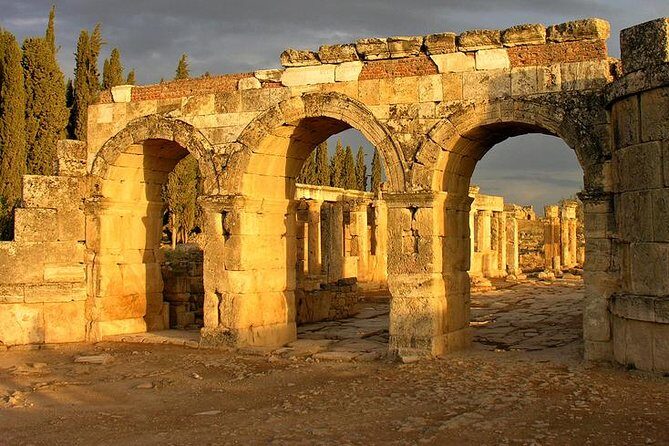
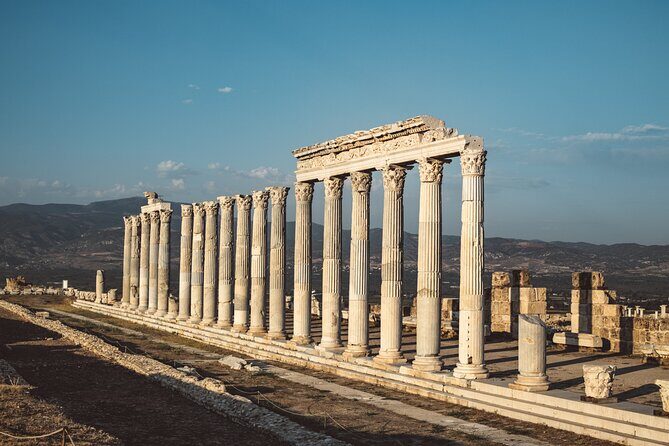
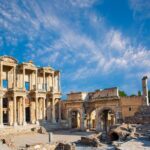
- Hierapolis ruins: Roman baths, Necropolis, and the Temple of Apollo
- The 8–10 hour schedule from Kusadasi: how to make the day feel smooth
- What’s included vs what you’ll pay on your own
- Guide and group size: why Riza and Burak-style days feel better
- Getting your feet, photos, and timing right
- Price and value: is $190 worth it for Pamukkale + Hierapolis?
- Should you book this Pamukkale and Hierapolis full-day tour?
- FAQ
- How long is the Pamukkale and Hierapolis day trip?
- What time does the tour start?
- Do you get hotel pickup and drop-off?
- What kind of transport is used?
- Are entrance fees included?
- Is lunch included?
- Can I swim at the ancient pool in Pamukkale?
- What fitness level do I need?
- Is it a private tour?
- Is free cancellation available?
Key things to know before you go
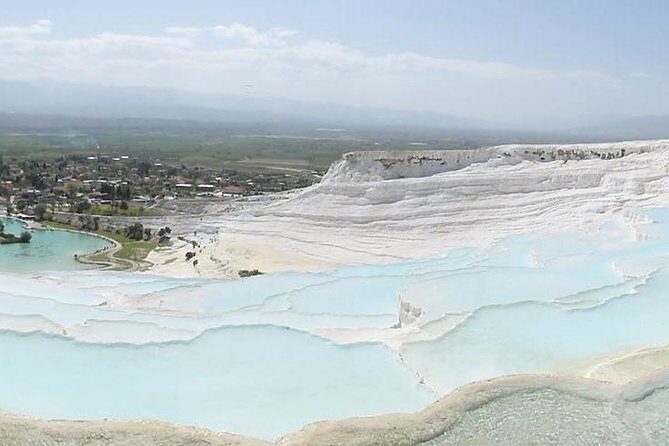
- Bare-foot thermal walk at Pamukkale: you’ll spend time around the hot spring basins where the calcium deposits create that famous white look
- Hierapolis ruins in one focused block: Roman baths, a Necropolis area, and the Temple of Apollo are the big targets
- 8–10 hours from Kusadasi (or Selcuk pickup): plan for a full day, not a quick hit
- Small-group feel with a 14-seater Mercedes minibus: easier conversation, fewer people to navigate
- Extra costs to budget for: site entrance fees, drinks, and optional ancient pool swimming are not included
Pamukkale’s white terraces: what the barefoot thermal walk is really like
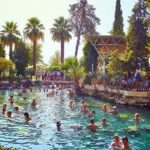
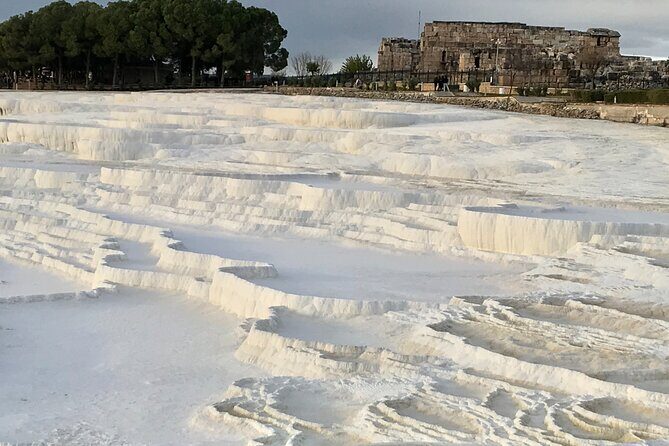
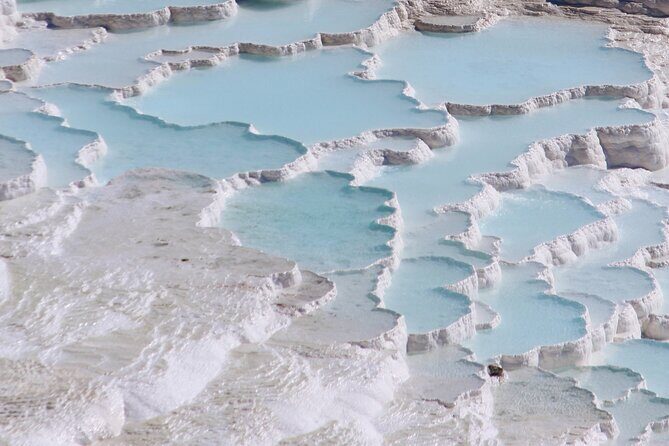
Pamukkale’s main draw is the way warm water has built up calcium deposits over time. The terraces look surreal from a distance, but up close you notice the details: the smooth, chalky surface and the way different water levels change the look of the basins.
What you’ll do on this trip is spend meaningful time on the terraced area, including a bare-foot walk along the cliffs and basins. This is one of those moments where you stop thinking about photos and just focus on the sensation and the view. Even if you’re not a “thermal springs” person, the visual impact makes you understand why this place became famous.
Two practical tips help a lot. First, wear flip-flops or easy slip-ons for the walk between areas, then go barefoot right when you’re on the stable surfaces meant for it. Second, bring a swimsuit plan even if you’re not sure you’ll swim, because the tour notes that you can swim at the ancient pool if you want, and that requires your own bathing suit and towel (with an additional entrance fee).
A reality check worth knowing: water levels at Pamukkale have been changing over the years. Some travelers point out that there can be less water on the terraced pools and even shifts in color. That doesn’t mean the visit isn’t worth it. It just means you should see it while there’s still plenty to see, and you should expect the look to vary a bit day to day.
You can also read our reviews of more tours and experiences in Kusadasi
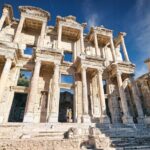
Hierapolis ruins: Roman baths, Necropolis, and the Temple of Apollo
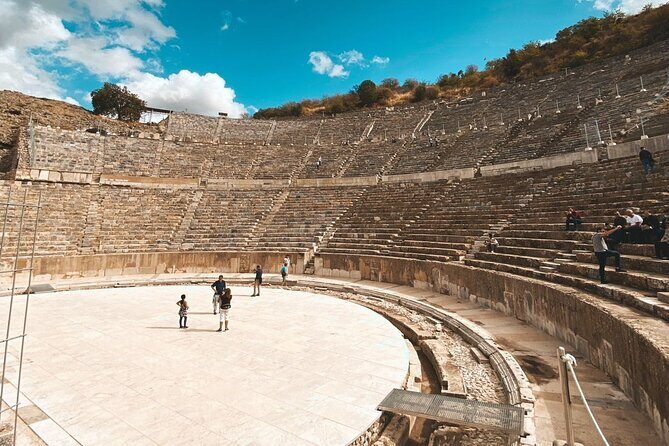
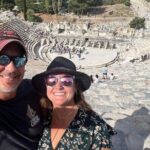
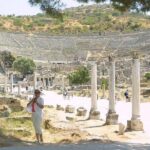
After Pamukkale, you’ll shift from natural wonder to archaeology, and that contrast is exactly why this day-trip works. Hierapolis sits near Pamukkale and spreads across a hillside, so you get wide views as you move between monuments.
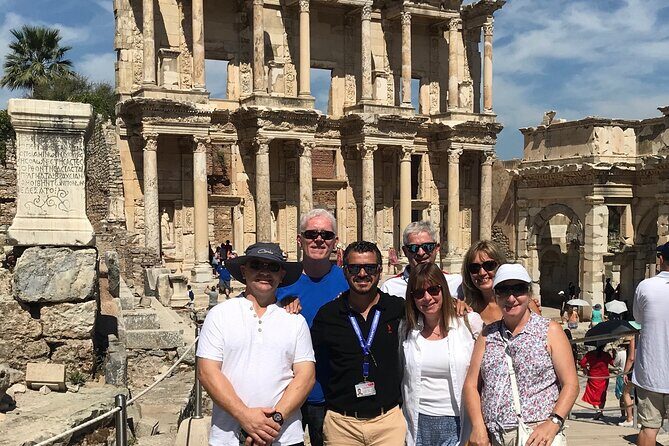
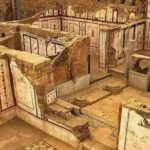
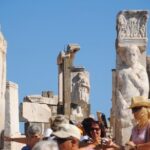
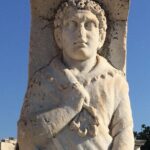
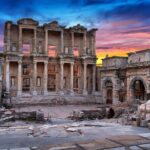
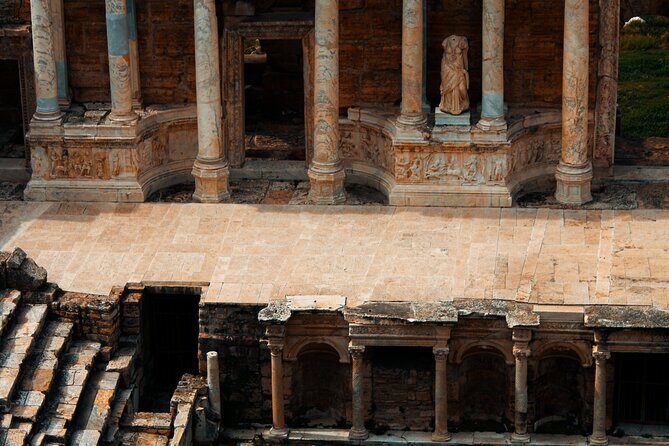
The ruins you’re aiming for include Roman baths, the Necropolis, and the Temple of Apollo. Those labels matter because they help you understand what you’re looking at: baths bring you the sense of Roman daily life and engineering, while the Necropolis area tells a different story about how Romans used space for burial and memory. The Temple of Apollo adds the religious center of gravity to the day.
Time is usually tight on a full-day tour, but you should still get a solid block at the site. One of the common feelings is that people want more minutes to fully explore both places. So if you’re the type who hates rushing, show up with a mindset of “I’ll hit the highlights and keep moving,” rather than expecting a slow museum pace.
Also, expect walking on uneven ground. Even if the climbs aren’t extreme for most people, you’re going uphill and down paths, and the whole site is spread out. If you have moderate mobility needs, you’ll want to pace yourself and take breaks when you can.
The 8–10 hour schedule from Kusadasi: how to make the day feel smooth
This tour is built as a full-day outing, typically around 8 to 10 hours. It starts at 9:00 am and includes hotel pickup and drop-off, which is a huge time-saver if you’re not staying close to the sites.
From Kusadasi (and in some cases the Selcuk area), you’re dealing with road time plus two major stop points. That’s why the day can feel long even when it’s enjoyable. One traveler noted the journey took longer than expected, and another mentioned a stop connected to onyx/marble sales taking about an hour.
Here’s my advice: go into the day prepared for a bit of “transport reality,” not just site time. Bring a snack if you think hunger could hit early, and carry water even if you don’t plan to buy drinks during the tour. Also, if you’re the type who gets annoyed by shopping stops, ask ahead how the route handles these.
The good news is that having a small group and a focused guide helps you feel less “herded.” When the guiding is strong, you’ll spend more time understanding what you’re seeing and less time just staring at stone and hoping it clicks.
What’s included vs what you’ll pay on your own
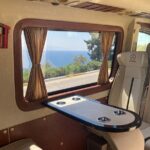
The tour package includes the big-ticket practicals: hotel pickup and drop-off, a professional guide, and air-conditioned transport in a 14-seater Mercedes minibus. Local tax is included, and you should receive a mobile ticket.
Where people often get tripped up is what’s not included. The data provided lists entrance fees as not included, plus drinks and gratuities (optional, but tipping is common in many service roles). It also lists lunch as not included, while the overview text mentions buffet lunch. That mismatch is important: before you go, confirm what you’re actually getting for meals.
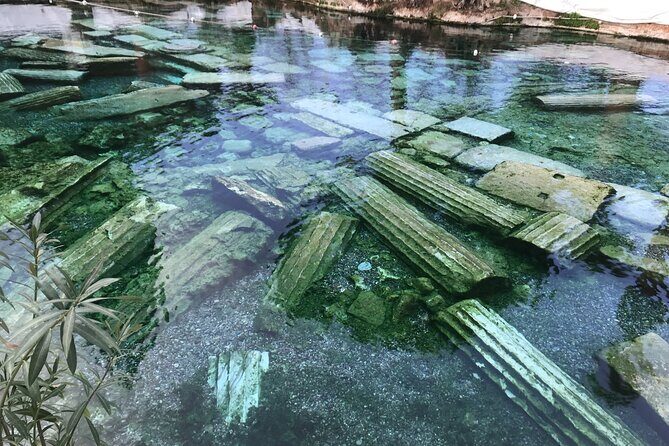
Swimming is another “check first” situation. The tour notes that you should bring your swimsuit and towel if you want to swim at the ancient pool, and it also states the entrance fee for that swimming is not included. So if you want a real swim moment, budget extra time and extra money.
One more caution comes from a complaint about an add-on pressure tactic. The concern wasn’t about the sites themselves; it was about being advised to pay extra for a hot spa/pool experience. If you’re offered an upgrade on the spot, take a breath and decide calmly. If you don’t want to pay, say no and stick to your plan.
Guide and group size: why Riza and Burak-style days feel better
A big part of the quality here is the human factor. The tour includes a guide, and the small group size helps you actually use them. You can ask questions about what you’re seeing at Hierapolis, or why the terraced pools look the way they do at Pamukkale, and you’re not shouting over a crowd.
One traveler specifically praised Riza as a guide and Burak as the driver for being friendly, approachable, and knowledgeable in their explanations. That’s the kind of combination that makes a long day less tiring. It also helps with timing, since the sites have different “best moments” for photos and views.
On the flip side, there’s at least one complaint tied to language use on a different part of a similar experience: a guide who spoke mostly another language and then pushed a paid add-on. I’m not saying this will happen every time, but it’s a good reminder to confirm what language(s) the tour runs in and whether you’re joining a stop-heavy itinerary with paid extras.
Also remember: the tour is described as a private tour/activity, meaning only your group participates. That typically improves the flow, especially at the ruins where people otherwise cluster and block the view lines.



Getting your feet, photos, and timing right
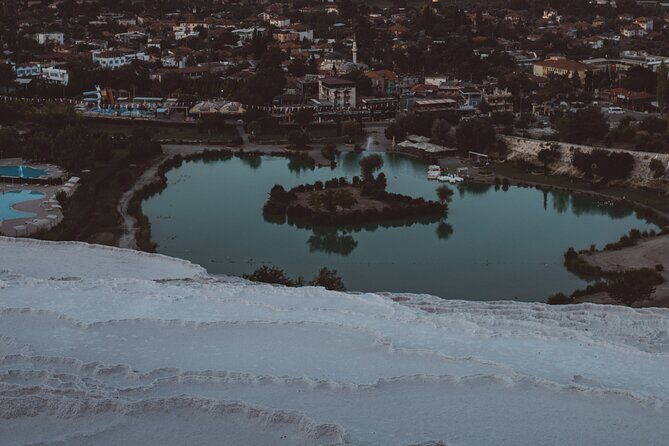
Pamukkale is famous, so you’ll likely see crowds, but the key is how you move through them. Aim to be ready early in the day mindset-wise. The terraced area looks best when you’re not rushed, and the heat can add fatigue later.
You’ll also want to plan for footwear and comfort. You’re doing a barefoot segment near the thermal basins, then walking between areas and up/down terrain. I’d rather see you in comfortable slip-ons for moving and then barefoot only when you’re on the right surfaces.
For photos, think in layers:
- Wide shots that show the terraced pattern
- Medium shots where the white calcium and water lines fill your frame
- Human-scale shots that include your guide or group for scale
At Hierapolis, your photos will shift from white terraces to stone geometry and hillside views. If you enjoy context, spend a few minutes asking the guide to point out what you’re seeing first, then go back for pictures once you know where to look.
And because the day is long, don’t treat it like a sprint. If you try to “do everything,” you’ll just end up with rushed eyes.
Price and value: is $190 worth it for Pamukkale + Hierapolis?
$190 per person is not cheap, so you should judge value based on what you get that’s hard to DIY. For this day-trip, the main value is pickup + round-trip transport + guide. If you’re staying in Kusadasi or Selcuk and don’t want to stitch together buses, taxis, and timed entrances, this is the kind of package that can be worth paying for.
Also, because entrance fees and drinks aren’t included, your real total depends on how you handle those on top. The tour is clear that site entry is an extra, and lunch details are inconsistent between the overview and included/not-included lists. So I’d budget “on top” rather than assuming you’re fully covered.
Still, for many people, paying for organized transport saves time and stress. And the combination matters: Pamukkale’s terraced hot springs plus Hierapolis’ key Roman monuments in one shot is efficient. If you’re only in the area for a short time, this package buys you momentum.
What could make it feel expensive? If your day includes extra shopping stops that take away from site time, you’ll feel that immediately. One complaint mentioned losing time to an onyx/marble stop and that the journey stretched beyond what was promised. That kind of detour turns a good value into a fair one.
So here’s the decision filter I’d use: if you want a guided day with no transportation headaches, and you’re okay treating the day as long, it looks like a strong choice. If you hate shopping stops and tight schedules, you might want to look for an itinerary with fewer route detours.
Should you book this Pamukkale and Hierapolis full-day tour?
Book it if you want one day that hits two headline sites with pickup, air-conditioned transport, and a guide, and you’re comfortable spending most of your day in transit and on your feet. If Pamukkale is on your must-see list, the terraced hot springs plus the Roman site nearby is a smart one-two punch.
Skip or reconsider if you strongly dislike itinerary add-ons, want very slow time at each location, or need lots of certainty about meals and entrance-fee coverage. In that case, ask direct questions before you pay: what entrance fees are required for your tickets, whether lunch is truly provided, and how much time is allocated to any shopping stops.
If your goal is to see Pamukkale’s famous calcium terraces while they still look dramatic, and then make Hierapolis’ ruins part of the same day, this is the kind of tour that saves you effort and maximizes your time in the area.
FAQ
How long is the Pamukkale and Hierapolis day trip?
It runs about 8 to 10 hours.
What time does the tour start?
The start time is 9:00 am.
Do you get hotel pickup and drop-off?
Yes. Hotel pickup and drop-off are included.
What kind of transport is used?
You travel in an air-conditioned 14-seater Mercedes minibus.
Are entrance fees included?
No. Entrance fees are not included.
Is lunch included?
Lunch is listed as not included, even though the overview mentions buffet lunch. Confirm what’s covered before you go.
Can I swim at the ancient pool in Pamukkale?
You can, but you need to bring your bathing suit and towel, and the entrance fee is not included.
What fitness level do I need?
The tour says travelers should have moderate physical fitness.
Is it a private tour?
It’s described as a private tour/activity, meaning only your group participates.
Is free cancellation available?
Yes. You can cancel up to 24 hours before the experience’s start time for a full refund.