REVIEW · KUSADASI
From Kusadasi: Full Day Private or Small Group Ephesus Tour
Book on GetYourGuide →Operated by Unique Ephesus Tour · Bookable on GetYourGuide
Ephesus is where history starts walking. On this Kusadasi day trip, I love the licensed guide who explains each landmark as you go, and I also like the skip-the-ticket-line advantage at the start. Just plan for heat—shade is limited, so you’ll want a hat, sunscreen, and comfortable shoes for a day of steady walking.
This is built as a private or small-group outing that can be customized around your interests, time, and budget. If you prefer a slower pace, you can usually ask for it, and if you have questions, your guide can answer them on the spot in English or Spanish.
One more practical note: entrance fees and drinks aren’t included, and you can’t bring luggage or large bags. If your plan is photo-first or snack-first, you’ll need to factor in extra time to keep things comfortable.
In This Review
- Key things to know before you go
- From Kusadasi Cruise Pier to Ephesus: the day’s practical rhythm
- House of the Virgin Mary: a meaningful opener before the ruins
- İsa Bey Mosque and Temple of Artemis: variety that breaks up the heat
- The Ephesus museum stop that makes the ruins make sense
- Ephesus Ancient City highlights: Library of Celsus, Hadrian’s era, and St. John
- How to survive (and enjoy) two hours in the ruins
- Shopping stops, surprises, and the sales-pitch factor
- Price and value: what you’re really paying for
- Should you book this Kusadasi Ephesus tour?
- FAQ
- How long is the tour from Kusadasi?
- Is this a private tour or a small-group tour?
- What’s included in the price?
- Are entrance fees included?
- Which languages is the guide available in?
- Do I need to skip any ticket lines?
- Is it wheelchair accessible?
- What should I bring, and can I bring luggage?
Key things to know before you go
- Skip-the-ticket-line helps you start exploring without getting stuck in queues
- Private or small-group format makes it easier to move, ask questions, and set a pace
- House of the Virgin Mary plus major Ephesus sites keeps the day focused on meaning, not just monuments
- Archaeology Museum stop gives context before you tackle the ruins
- İsa Bey Mosque and Temple of Artemis add variety beyond the main Ephesus complex
- Order may change to avoid congestion, so don’t expect a rigid script
From Kusadasi Cruise Pier to Ephesus: the day’s practical rhythm
Your day starts right at the Kusadasi Cruise Pier, which is a big plus if you’re on a port schedule and want a smooth pickup and return. You’ll travel in a comfortable air-conditioned vehicle, and that matters because Aegean heat can hit hard even on a “short” excursion.
This tour runs about 5 hours, which is long enough to see the big-name highlights but short enough that you’ll need to accept a bit of walking and moving. The route is also flexible—stops can swap order to help avoid crowds. That small detail can change your experience a lot when you’re trying to take photos and actually read what’s in front of you.
A couple of logistics points to plan for. You’ll want comfortable shoes, and the tour strongly suggests a hat and sunscreen because shade is limited. Also, no luggage or large bags—so pack light and keep day essentials handy.
Finally, keep your spending expectations realistic. The guide and transport are included, but entrance fees are not, so you’ll want to budget for tickets once you’re there. Drinks aren’t included either, so either bring water plans or plan to buy on-site.
You can also read our reviews of more private tours in Kusadasi
House of the Virgin Mary: a meaningful opener before the ruins
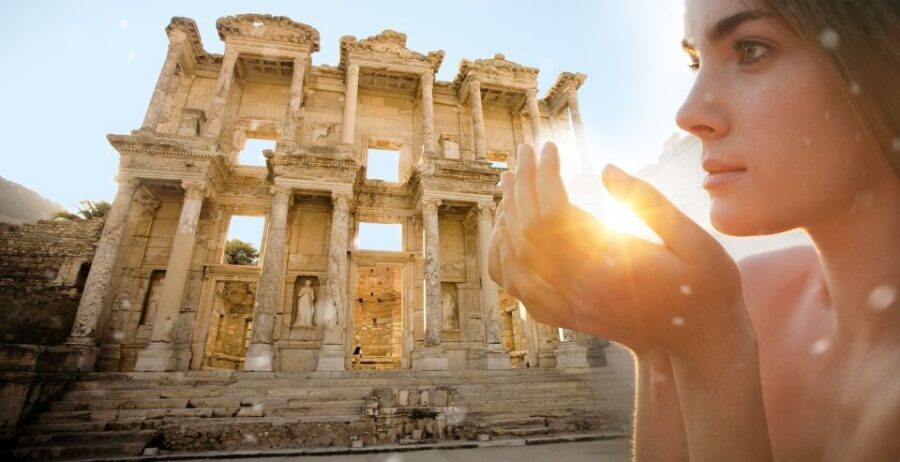
You’ll begin with a visit to the House of the Virgin Mary, guided rather than just dropped off. This stop tends to feel like a reset compared with the denser sections of the ancient city—more reflective, less “only photos, no context.” When your guide explains what you’re looking at, it helps you connect the place to the broader story of Ephesus rather than treating it like one more stop.
One reason I like this as an opener: it sets the tone for the rest of the day. By the time you reach Ephesus proper, you’re not just staring at stone. You’re listening for how faith, empire, and daily life show up in the layout and surviving remains.
Time here can also affect the whole itinerary. If you want more time for photos or a slower walk, this is the moment to ask your guide. The best part of the private option (and sometimes even a small group) is that you’re not locked into a sprint.
İsa Bey Mosque and Temple of Artemis: variety that breaks up the heat
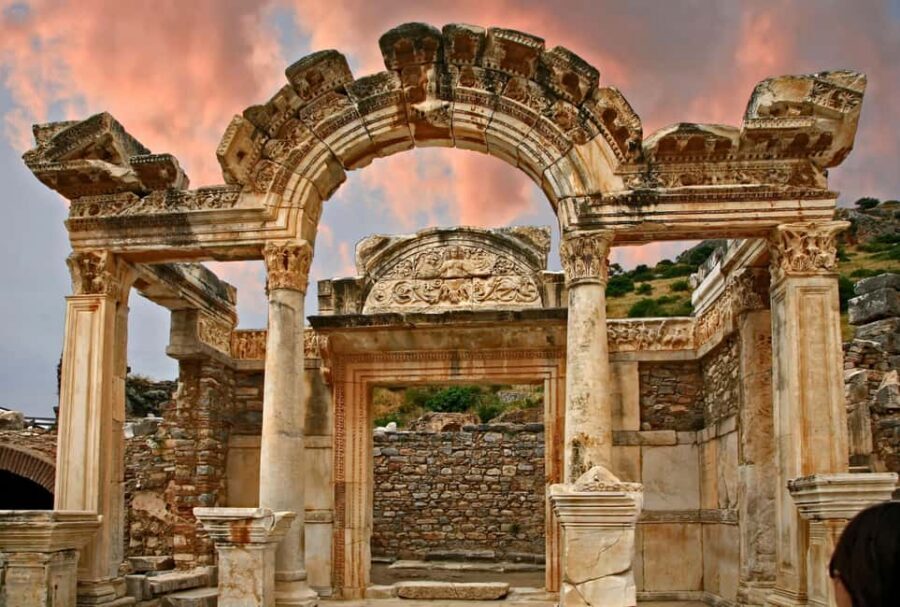
After the Virgin Mary stop, you’ll head into a different side of the region with İsa Bey Mosque. It’s a useful contrast: you get beyond the ancient-city focus and see how religious and cultural life evolved in the same geography. Guided context helps here, too—otherwise a mosque visit can feel like a quick look unless someone connects it to what you’re seeing elsewhere.
Then comes the Temple of Artemis, one of those famous names that can feel “overhyped” if you only know it from textbooks. With a guide, the site makes more sense, especially in relation to Ephesus’s importance as a major religious and cultural center.
These stops also help you pace the day. Rather than only walking deep through the same kind of ruins, you get breaks where the terrain and viewpoints shift. That matters when it’s hot and your feet are already working.
The Ephesus museum stop that makes the ruins make sense
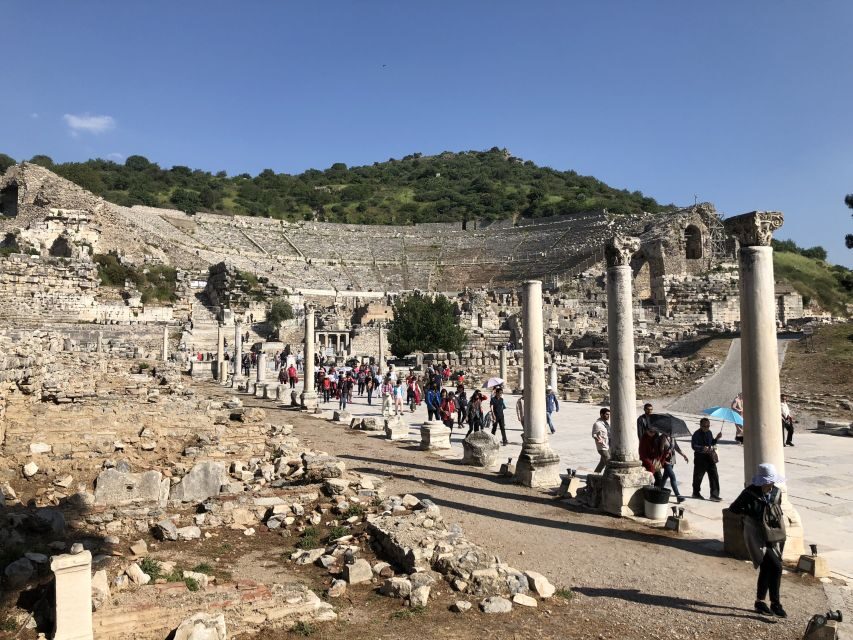
You’ll also visit the Archaeology Museum, and I strongly recommend treating it as part of the experience—not a delay. When you see artifacts and explanations first, your walk through the ancient city starts clicking faster. Instead of random columns and fragments, you begin to recognize what each area once was.
The museum is especially useful for first-timers. Ephesus is big, and there are a lot of names—Library of Celsus, Hadrian’s Temple, Fountains of Trajan, and more. A museum stop gives you a mental map, so your guide isn’t starting from zero.
If you’re short on time, this is still worth it. It’s easy to spend the ruins time only looking at what’s visually dramatic. The museum helps you understand what’s still there, what’s missing, and why the surviving pieces matter.
Ephesus Ancient City highlights: Library of Celsus, Hadrian’s era, and St. John
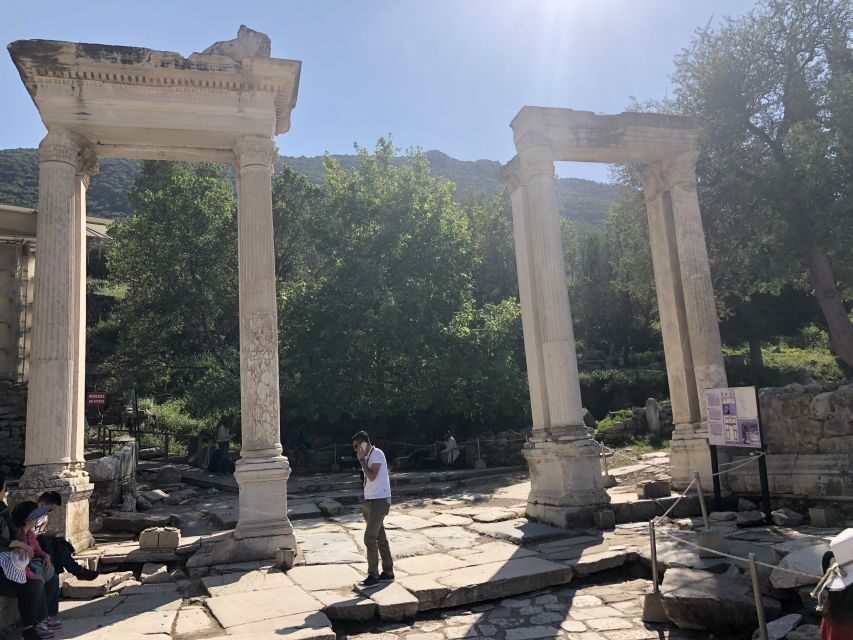
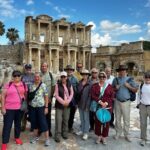
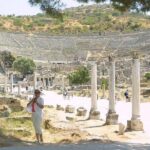
The core of your day is Ephesus Ancient City, with about 2 hours dedicated to the ancient ruins and a guided walkthrough. This is where your guide earns their keep. With the right pace, you can learn a lot without feeling like you’re being lectured.
Expect major stops and names such as:
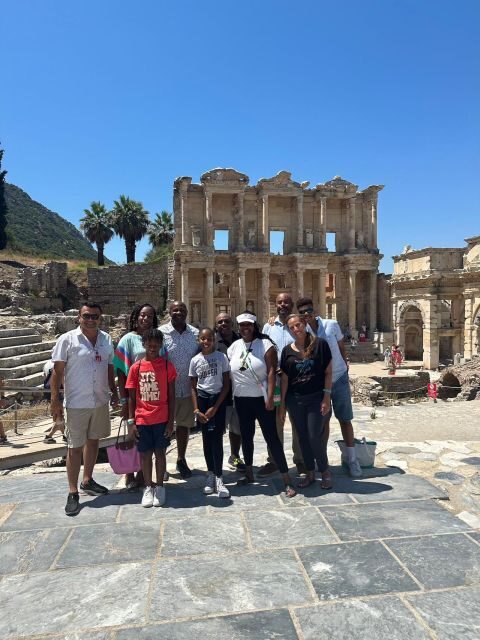
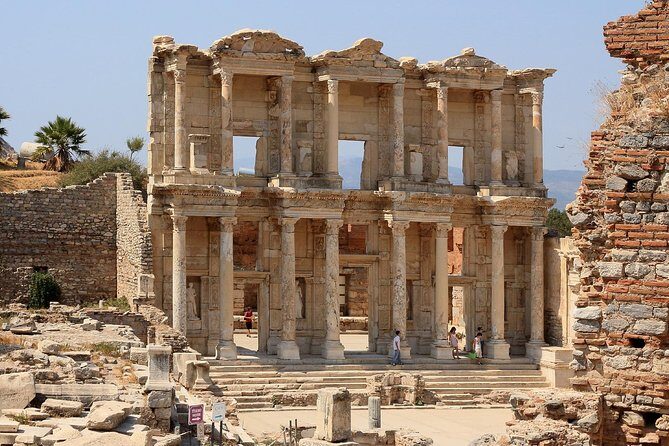
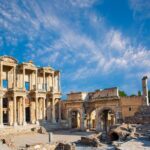
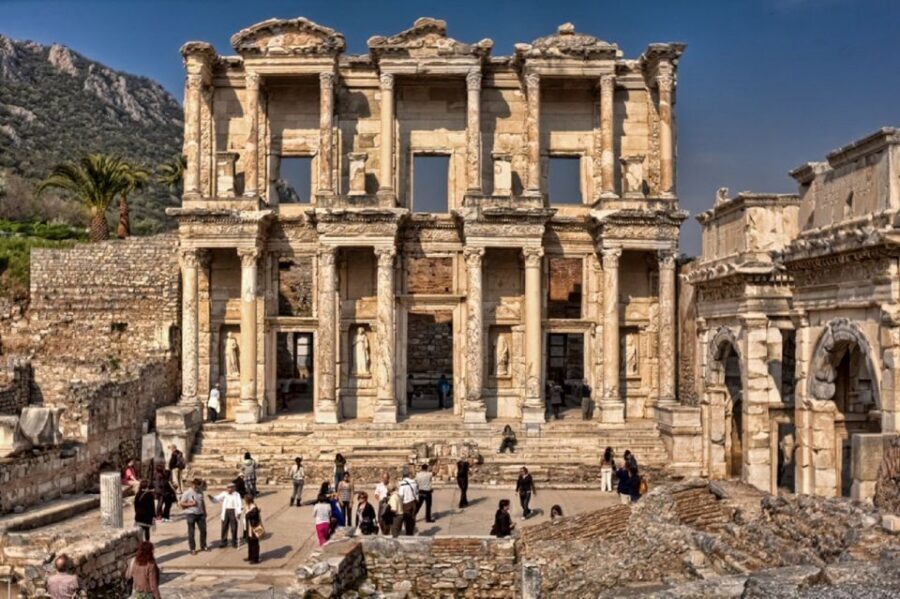
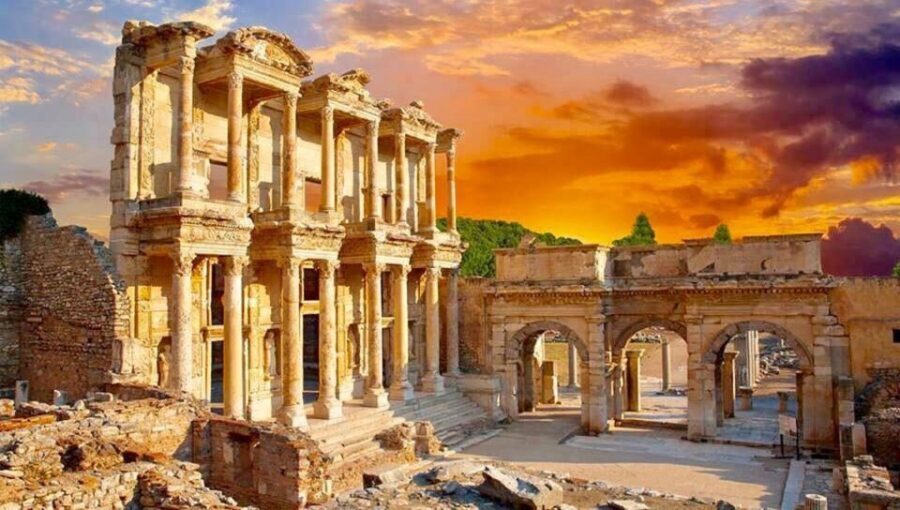
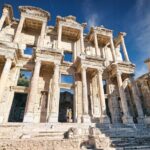
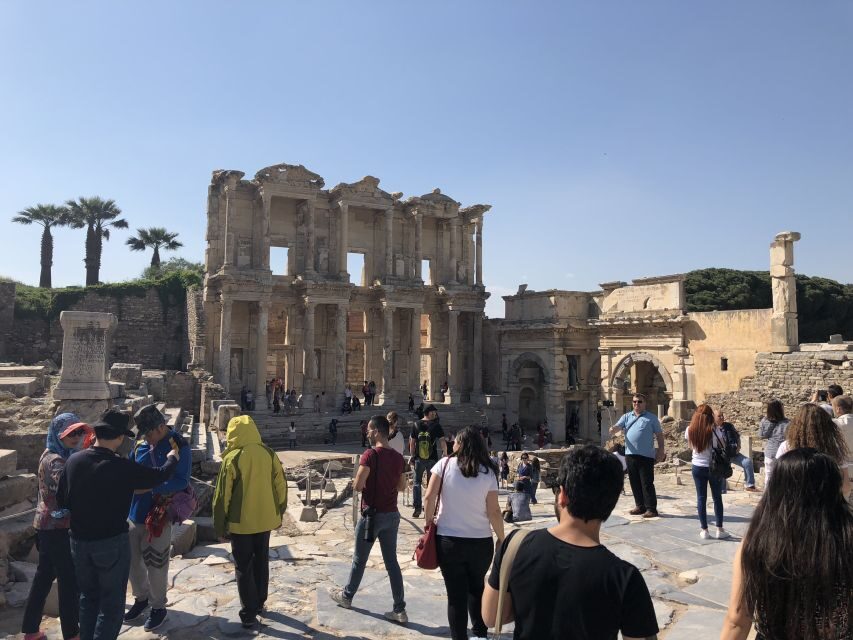
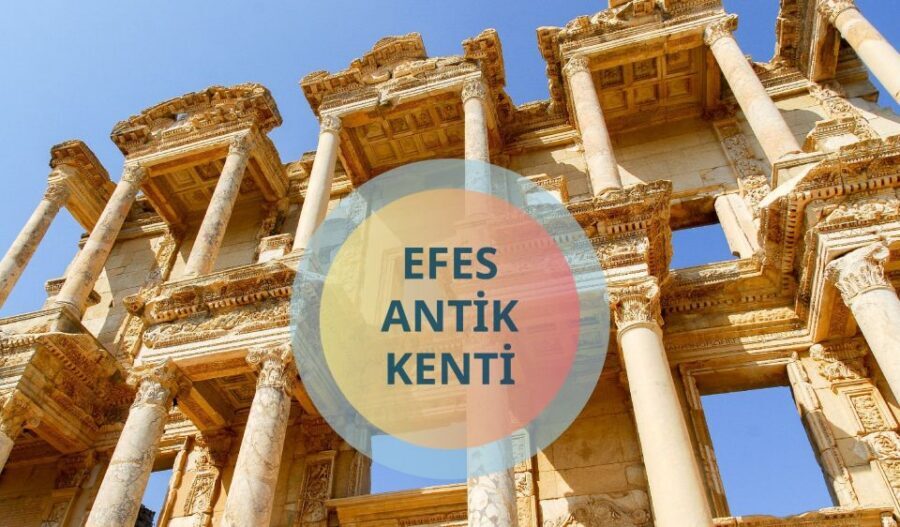
- Library of Celsus: one of the most iconic facades in the ancient world, and a great place to understand how monumental Ephesus could be
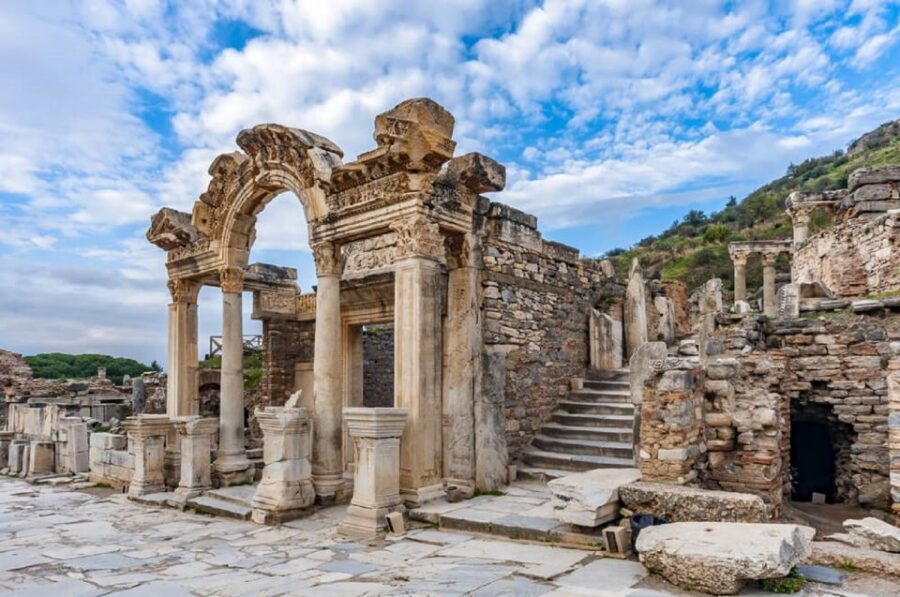
- Hadrian’s Temple and other Hadrian-era touches: helpful for placing Ephesus within Roman patterns of power and public life
- Fountains of Trajan: a reminder that “history” here wasn’t just politics—it was also everyday civic space
- Temples of Hadrian and Domitian: more layers of imperial religion and architecture
- Terrace Houses: a glimpse at how some people lived, not just how public structures looked
- Basilica of St. John: religious significance that connects directly to the Virgin Mary stop you saw earlier
- House of the Virgin Mary: again, context matters, because your guide can tie it back into the larger Ephesus story
What makes this part work is the rhythm: the guide points, explains, and connects. One of the most consistently praised aspects of this tour is that the guides explain the sites clearly as you walk through them, so you’re not just collecting photos—you’re collecting understanding.
If you’re traveling with someone who wants details, this tour fits. If your travel style is more “show me what’s important,” you can still benefit—just tell your guide what you care about most (religion, daily life, architecture, or Roman history).
You can also read our reviews of more tours and experiences in Kusadasi
How to survive (and enjoy) two hours in the ruins
Two hours in Ephesus is a tight window, so pacing matters. I’d treat this like a guided route you can customize with small choices: linger for 2–3 minutes when something clicks, and don’t get stuck when you can’t see the whole picture.
Heat and sun are the real enemy, not the stones. Shade can be scarce, so plan to pause where the guide suggests, not only where you happen to find cover. Comfortable shoes are not optional here. Stone surfaces can be uneven, and you don’t want foot pain to turn every landmark into a chore.
This is where a small group or private format helps. People who book private tend to get a more flexible pace, and some guides will adjust if you want to take it easier. That’s a nice way to keep the day enjoyable rather than exhausting.
I also suggest going in with a “top three” mindset. Pick your three must-see areas (for many people it’s the Library of Celsus, Terrace Houses, and St. John). Then let the guide handle the rest. You’ll still see a lot, and you won’t feel like you missed the one thing you cared about most.
Shopping stops, surprises, and the sales-pitch factor
This kind of tour can include extra stops that aren’t strictly archaeological. Some guides may arrange time for places like a ceramic shop or a carpet-related workshop, and sometimes there are surprises—one guide even arranged a birthday song and cake during a shop stop.
That can be a sweet touch, especially if you’re celebrating something. But it also means you should be honest with yourself about shopping. One downside that came up: a hard-selling moment at a carpet-related stop left some people disappointed.
So here’s my practical advice. Ask your guide early whether there’s a workshop stop planned and how much time it will take. If you’re not interested, you can set expectations and keep control of your day. If you are interested, go in knowing you’ll likely hear a sales pitch—then you can decide calmly if any purchase is worth it.
Price and value: what you’re really paying for
The price listed for this tour is about $23 per person for a roughly 5-hour experience, including a private professional licensed guide and air-conditioned transportation. That price is why this tour can feel like a smart move for many people: you’re paying for interpretation and logistics, not just entry to a pile of ruins.
But remember what isn’t included. Entrance fees aren’t covered, and neither are drinks. If you’re budgeting, treat the $23 as the guide-and-vehicle portion, and then add ticket costs for the museum and major sites you enter.
Also factor in comfort. The tour includes guided pacing and skip-the-ticket-line entry, which can reduce time lost to queues. One traveler did mention that air-conditioning wasn’t working well on a very hot day, so if weather looks extreme, it’s worth being aware. Usually, the vehicle is meant to be comfortable, but conditions can vary.
Bottom line: for the time in the ancient city, the museum context, and the guided explanations, this can be good value—especially compared with tours that only show you landmarks with no real story attached.
Should you book this Kusadasi Ephesus tour?
Book it if you want guided Ephesus without spending all day stuck in lines. I think it’s especially worth it when you’re the type who likes to understand what you’re seeing—because the strongest praise for this experience centers on guide skill and site-by-site explanations.
Skip booking (or ask more questions) if you hate any chance of shopping stops or sales pitches, since some departures may include workshop-type stops. And if you’re very sensitive to heat or you can’t handle uneven walking, this is the wrong fit—shade is limited and the ruins require real footwork.
If you like structure but also want some flexibility, this tour hits a sweet spot. Tell your guide your priorities, wear good shoes, carry sunscreen, and you’ll get a much richer Ephesus day than a quick photo-only route.
FAQ
How long is the tour from Kusadasi?
The tour duration is about 5 hours, and the starting time can vary. It runs from the Kusadasi Cruise Pier and returns there.
Is this a private tour or a small-group tour?
You can choose a private group, and there is also a small-group option available.
What’s included in the price?
Included are a private professional licensed guide and transportation in a comfortable air-conditioned vehicle.
Are entrance fees included?
No. Entrance fees are not included, and drinks are also not included unless specifically mentioned.
Which languages is the guide available in?
The live tour guide is available in English and Spanish.
Do I need to skip any ticket lines?
Yes, the tour includes skipping the ticket line.
Is it wheelchair accessible?
The activity information states wheelchair accessible, but it also says it is not suitable for people with mobility impairments. It’s smart to confirm details with the operator before you book.
What should I bring, and can I bring luggage?
Bring comfortable shoes, and the tour notes that you should also bring a hat and plenty of sunscreen since shade is limited. Luggage or large bags are not allowed.