REVIEW · KUSADASI
From Kusadasi: Ephesus and Pamukkale 2 Day Private Tour
Book on GetYourGuide →Operated by Moira Travel Agency · Bookable on GetYourGuide
Ancient sites in two days sounds wild, until you do it. This private Kusadasi-to-Ephesus-and-Pamukkale combo pairs two of Türkiye’s biggest “wow” stops with an actually workable pace, guided in English and set up for minimal hassle. I like how Ephesus is treated as more than a pile of stones, with the amphitheater, Roman baths, agora, and even the Library of Celsus tying together civic life and religious importance.
Day two brings the magic of Pamukkale: the white travertine terraces, mineral springs, and the chance to feel that warm water through the spring beds while you walk through Hierapolis. One possible drawback is that the sun can be punishing with limited shade, and the tour notes that lunch and entrance fees aren’t included—so you’ll want to budget and plan for payments and walking.
In This Review
- Quick hits before you go
- Why this Kusadası private 2-day combo is a smart use of time
- Day 1 in Ephesus: amphitheater to Library of Celsus, with Christian pilgrimage context
- The amphitheater and baths: built for crowds, designed for comfort
- The agora and temples: where power made itself visible
- The Library of Celsus: a skyline moment
- Lunch and local artisan time: carpet craft as a reality check
- Day 2 Pamukkale and Hierapolis: travertines, necropolis, and the warm spring effect
- Hierapolis ruins and necropolis: why this city feels bigger than the terraces
- The barefoot reality check
- Your guides: what makes this tour feel personal (and not just scripted)
- Transportation and pacing: where comfort actually shows up
- Price and what you still need to budget for
- What to bring and how to survive the sun
- Who this private tour suits best
- Should you book this Ephesus and Pamukkale 2-day private tour?
- FAQ
- Where do you get picked up?
- What’s included in the tour price?
- Are entrance fees included?
- Is lunch included?
- Can I skip the ticket line?
- Can I swim at Pamukkale?
Quick hits before you go
- Ephesus + Pamukkale in 2 days means you see the highlights without turning the trip into a marathon.
- Skip-the-ticket-line gets you moving faster once you arrive at major sites.
- Hierapolis necropolis and ruins add a bigger, weirder story than just the terraces.
- Travertines barefoot option lets you experience the mineral warmth directly (and yes, that’s part of the point).
- Private pickup in Kusadası or Selçuk helps if you’re starting from a port or want door-to-door convenience.
Why this Kusadası private 2-day combo is a smart use of time
If you only have a couple days on the Aegean coast, this tour’s value is simple: it connects two heavyweight ancient destinations without forcing you to juggle multiple day trips and schedules. Ephesus is one of the best-preserved Greco-Roman cities you can visit, and Pamukkale/Hierapolis brings a completely different kind of wonder—part ancient city, part mineral spring phenomenon.
What makes this setup practical is the format. You’re in a private group with a licensed guide, plus a professional driver in an air-conditioned vehicle. That means you’re not relying on local transport times or figuring out logistics between stops while you’re tired and sunburned.
The other “quiet” win is flexibility. The order can change to avoid traffic congestion, and it can also be changed to meet your needs. In real life, that’s the difference between a trip that feels smooth and one that feels rushed.
You can also read our reviews of more private tours in Kusadasi
Day 1 in Ephesus: amphitheater to Library of Celsus, with Christian pilgrimage context
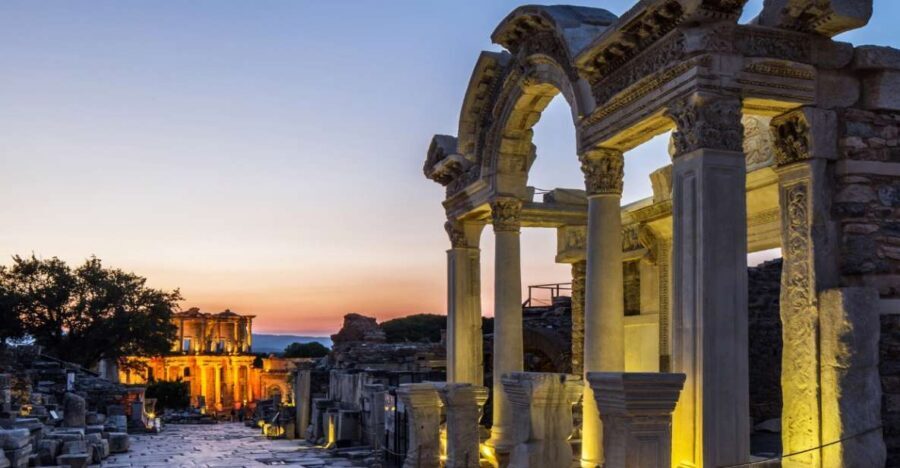
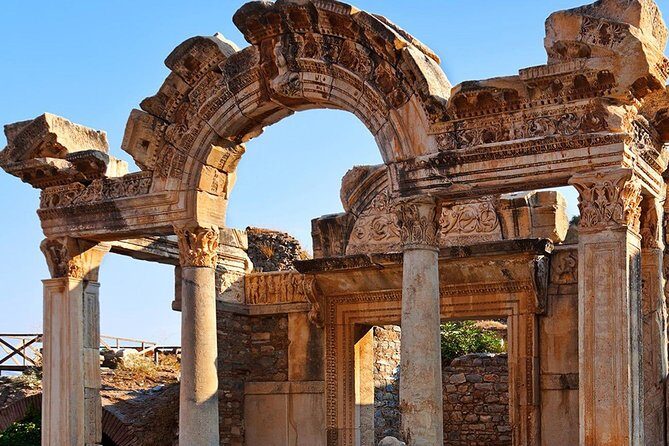
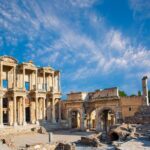
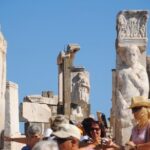
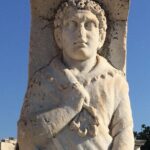
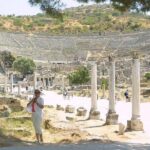
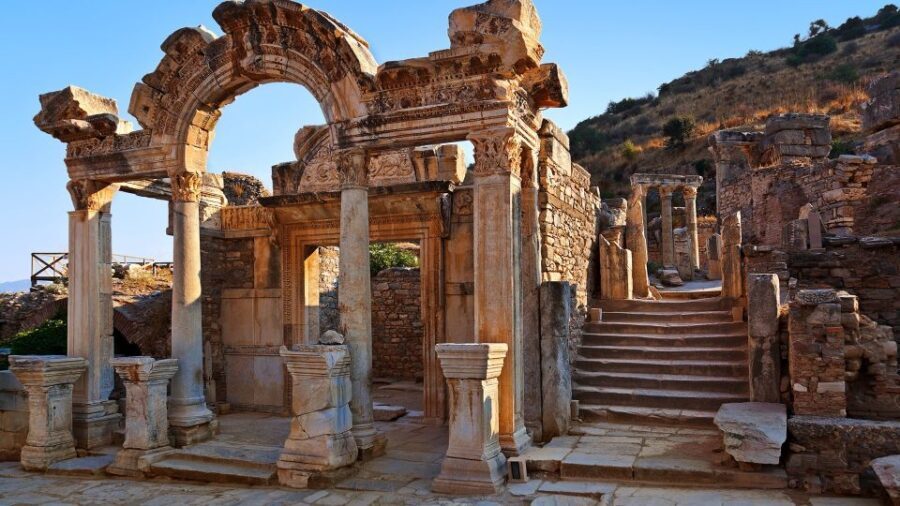
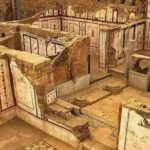
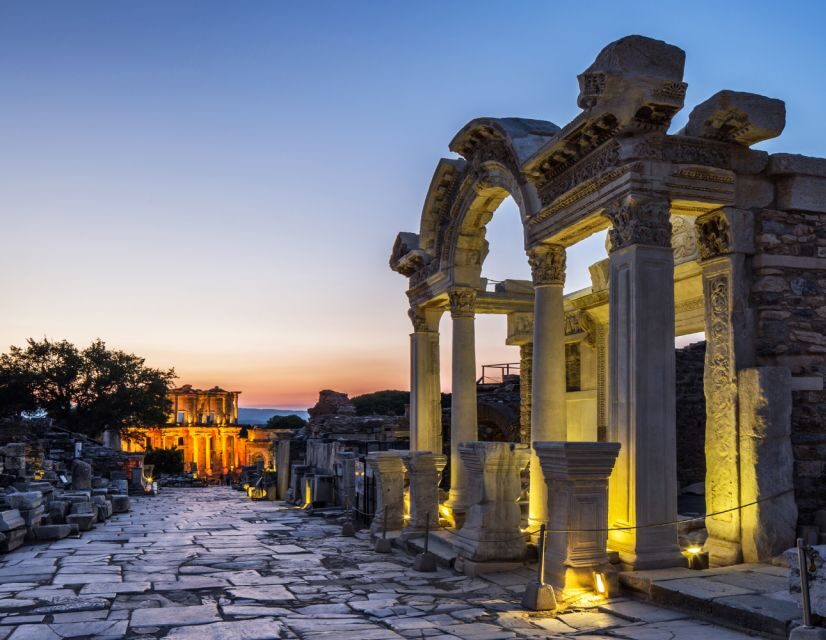
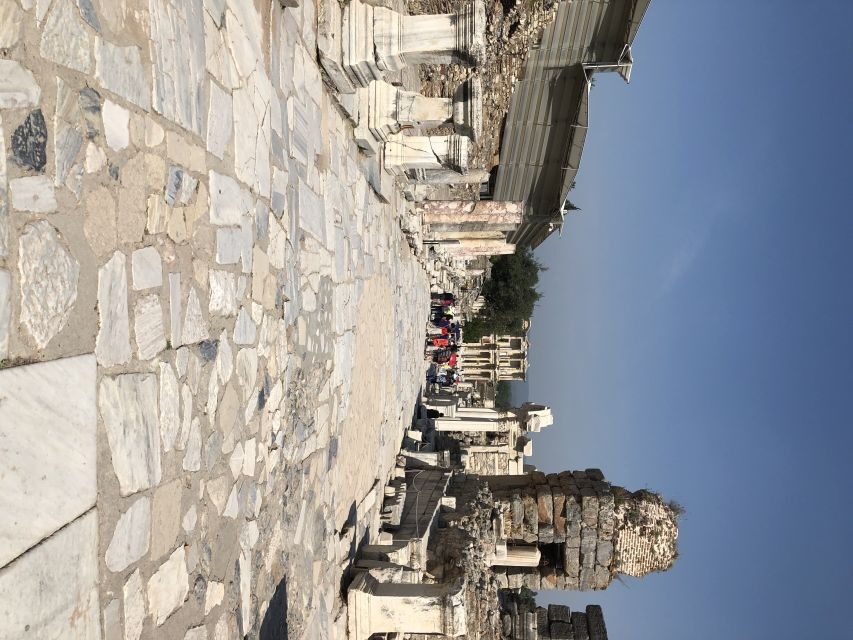
Ephesus is the kind of place where the scale hits you fast—then the details keep pulling you in. On your first day, you meet your guide and drive to the ruins, which are famous for being well-preserved and readable. You’ll see major anchors like the amphitheater, ancient temples, Roman baths, the agora, and the Library of Celsus.
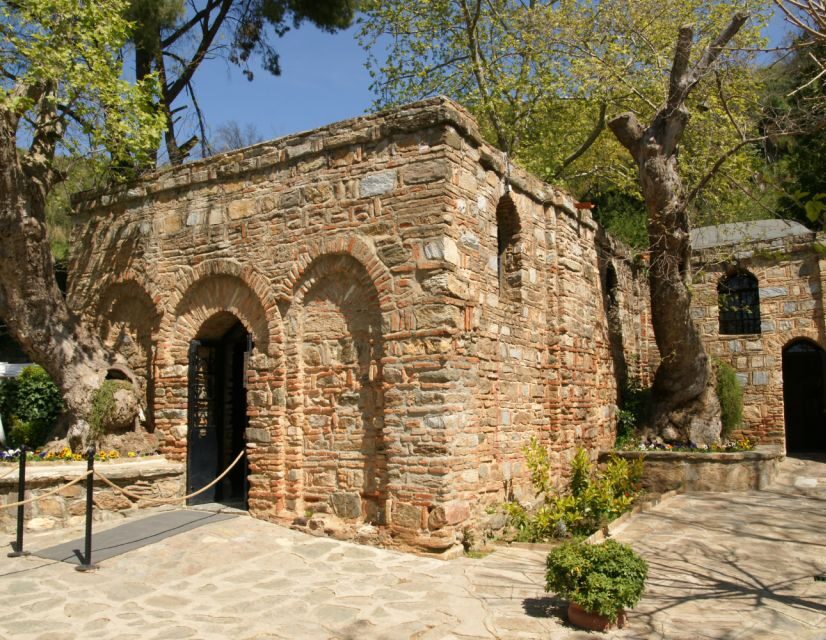
Here’s what I like about doing Ephesus with a guide instead of free-roaming with an audio app: the guide helps you understand how the pieces relate. For example, Ephesus wasn’t only entertainment and commerce. It also carried religious significance and functioned as a pilgrimage center for Christians, so the story shifts from civic life to spiritual meaning as you move through the site.
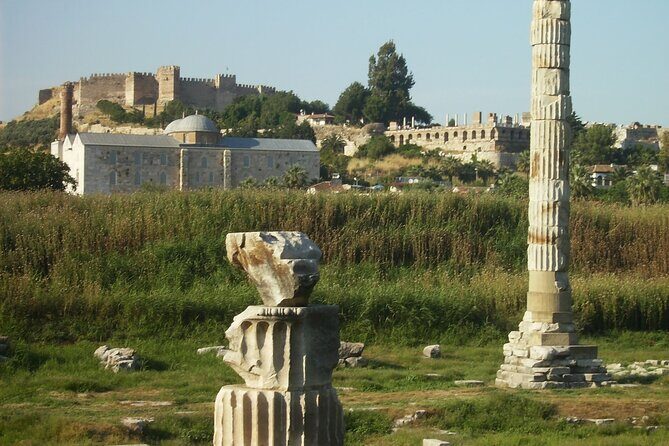
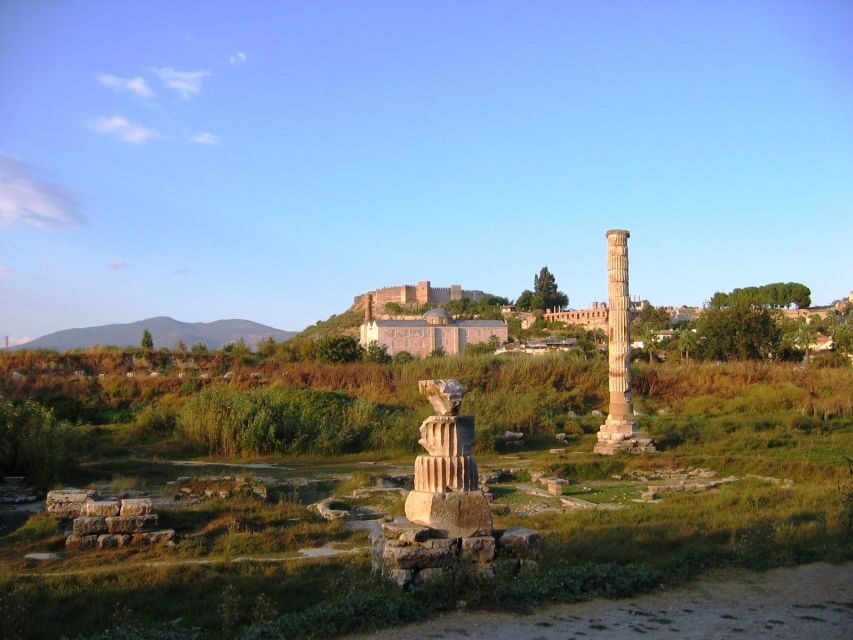
You’ll also get time to see the areas people talk about the most, including the Temple of Artemis, plus the broad “grid” of ancient city life that makes Ephesus feel like a lived-in place rather than a museum outside.
The amphitheater and baths: built for crowds, designed for comfort
The amphitheater is a great “orientation stop.” From there, you can picture how Ephesus handled public events. Roman baths add another layer: they show that luxury and daily routine weren’t separate worlds in antiquity.
The agora and temples: where power made itself visible
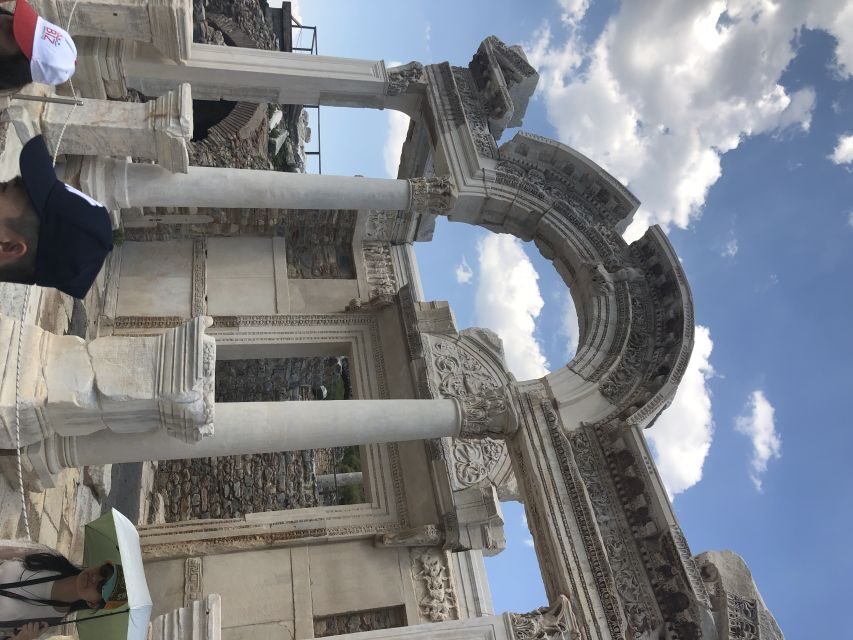
The agora and temples help explain why architecture mattered. You’re not just looking at columns—you’re looking at the settings where authority, belief, and everyday life overlapped.
The Library of Celsus: a skyline moment
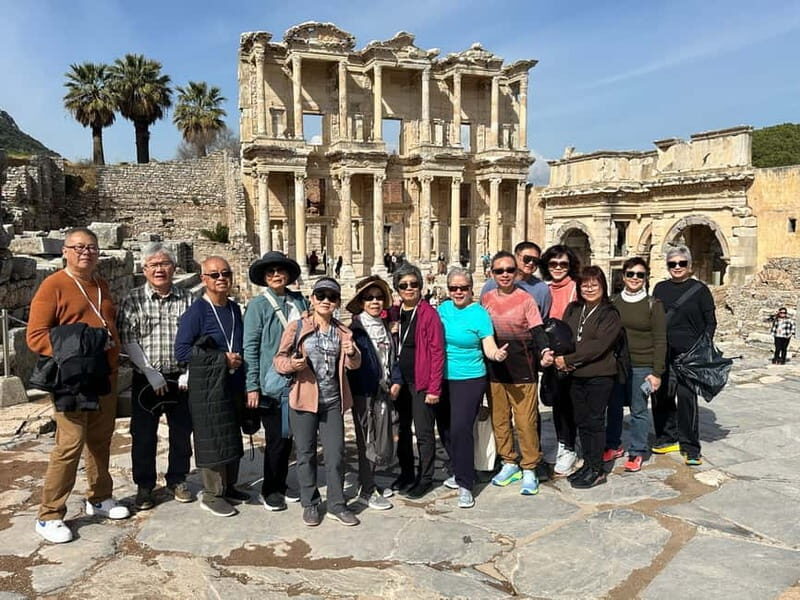
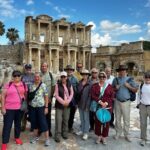
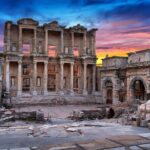
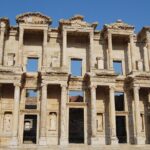
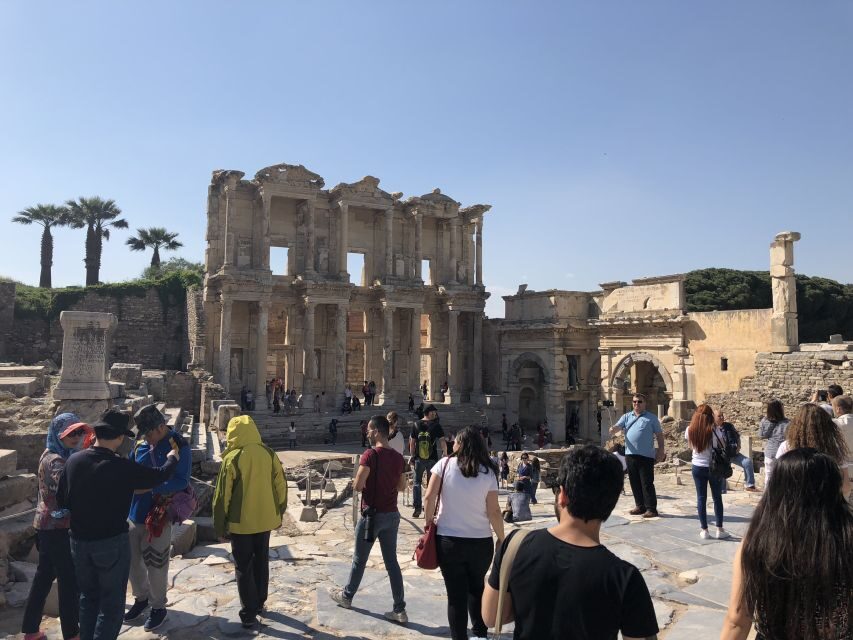
The Library of Celsus tends to be the visual payoff. It’s easy to see why people remember it: the structure frames the imagination of reading, scholarship, and public prestige.
You can also read our reviews of more tours and experiences in Kusadasi

Lunch and local artisan time: carpet craft as a reality check
After touring Ephesus, you’ll enjoy a local lunch. The tour also includes a stop where you can see artisans at work on handmade carpets and rug art.
I actually like this kind of stop when it’s handled right. You’re not getting “hard sell” time for hours—you’re getting a window into how craft connects to the region. It’s a break from the heat and stone, and it gives you something tangible to compare against what you saw earlier in the day.
That said, keep your expectations realistic: the tour data indicates lunch and entrance fees aren’t included. In some cases, lunch can be handled at a local venue as part of the day plan, but the exact arrangement can vary. Before you go, it’s worth confirming what’s covered so you’re not doing math with a growling stomach and a wallet full of anxious thoughts.
Day 2 Pamukkale and Hierapolis: travertines, necropolis, and the warm spring effect
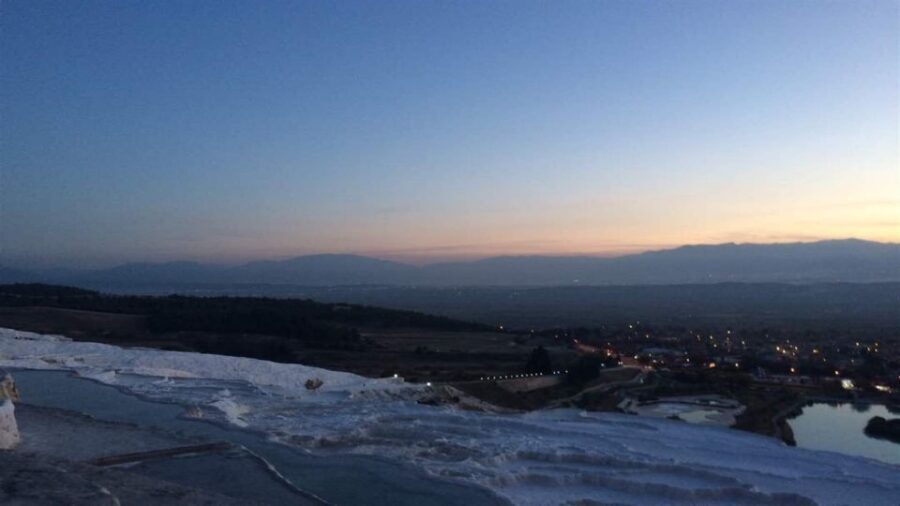
Pamukkale day starts with a drive—about 3 hours with a break—toward the Pamukkale area. Once you arrive, you’ll have lunch again, then you’ll get a few hours to explore the white terraces and the ancient ruins around them.
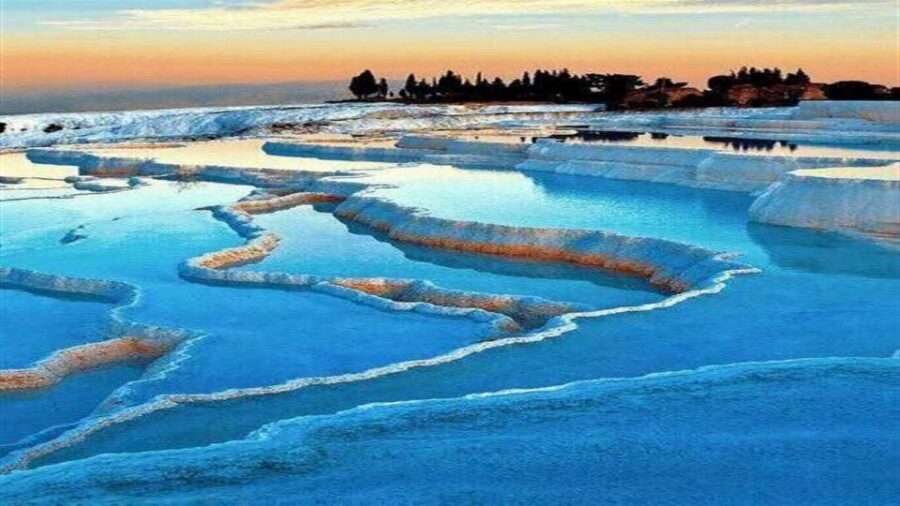
This is the part of the tour that feels like it could be a movie set. Pamukkale’s travertine terraces are mineral springs spread across a cliffside, creating that bright white look. The standout experience is walking through the travertines and feeling the warmth as you go barefoot, where permitted.
If you want a more intense Pamukkale experience, there’s an ancient pool swim option. The tour says it’s not included, but it’s there if you choose. The pool is naturally heated from the hot springs, and it’s spotted with fragments of ancient marble columns. It’s possibly connected to the Temple of Apollo, which is the kind of link that makes you pause and look around twice.
Hierapolis ruins and necropolis: why this city feels bigger than the terraces
Pamukkale gets attention for the terraces, but Hierapolis is the reason the day has texture. You’ll walk through ancient ruins and see the huge necropolis—again, the scale matters here. It’s an eerie, impressive reminder that even in a “hot spring” setting, this area was built around rituals and belief.
You’ll likely notice the warmth of the natural spring while you’re moving through the site. That’s not just comfort—it changes how you experience the ruins. The environment feels alive in a way that cold stone never does.
The barefoot reality check
The tour explicitly highlights walking barefoot on the travertines and feeling the warmth. That means you should prepare for practical things: you’ll want comfortable shoes for everywhere else, plus you should plan to follow any on-site rules about where and how barefoot access is allowed.
Also, shade is limited. Bring a hat, sunscreen, and something to protect your eyes. The tour notes that shade is limited, so you’ll be grateful for the basics.
Your guides: what makes this tour feel personal (and not just scripted)
This tour’s success often comes down to the guide quality, and the names attached to past runs show a pattern. Erdem Eryılmaz has a way of pairing historical context with a focus on preservation—so you’re not only learning facts, you’re learning why the site matters now. Yesra has been praised for guiding the Pamukkale day effectively, keeping you oriented through Hierapolis and the terraces.
Other guides associated with the experience include Murat and Alex. Murat is described as having a lot of knowledge and making people feel comfortable, while Alex is highlighted for clear English and lots of detail. One key benefit in private setups is pacing: solo or small groups can get more breathing room, which matters when you’re walking, stopping for photos, and trying to understand what you’re seeing.
Even with a good guide, remember: you’re covering two major regions in two days. The best guides don’t rush. They help you prioritize what to look at first and how to connect the story from stop to stop.
Transportation and pacing: where comfort actually shows up
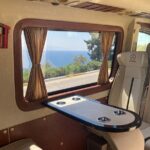
The itinerary includes transportation in a comfortable air-conditioned vehicle and a professional driver. That’s not a small detail when your day includes a 3-hour drive to Pamukkale. It also means you’re spending less energy on getting from place to place and more energy on the site experience itself.
Pickup is included from your hotel or port in Kusadası or Selçuk, which is useful if you’re already in the region and don’t want to start the trip hunting for a meeting point. In at least one case, the tour arrangement extended beyond standard pickup into airport-to-hotel help and back again, which hints at the operator’s ability to be flexible when timing requires it.
Because the order can vary to avoid traffic, don’t assume you’ll always start with Ephesus in the exact same sequence. That flexibility is usually a good thing—especially around major city traffic and bottlenecks.
Price and what you still need to budget for
The price is $650 per group up to 5 for the 2-day tour. Private tours often feel expensive until you do the math, and then the story gets more sensible. If you’re traveling with family or friends, splitting $650 across up to five people can make this a cost-effective way to see both Ephesus and Pamukkale without dealing with multiple guides and separate transport bookings.
But you should budget thoughtfully because the tour data clearly lists what’s not included:
- Lunch (the plan includes lunch during the day, but it’s flagged as not included in the base info)
- Entrance fees
- Drinks unless specifically mentioned
- Optional Pamukkale ancient pool swim (not included)
So the honest way to think about value is this: you’re paying for a licensed guide, air-conditioned transport, and a smooth “two sites in two days” structure, while you still handle personal spending and the site ticket costs. If you arrive with that mindset, there are no surprises.
Also, the tour includes “skip the ticket line.” That can save real time at busy sites and helps you keep your day from disappearing into waiting rooms.
What to bring and how to survive the sun
This tour has a clear practical theme: you’re outside a lot. The recommended essentials are simple: sunglasses, plus comfortable shoes and a hat with plenty of sunscreen. Shade is limited, so plan like it’s a beach day even when you’re walking among ruins.
For footwear, you’ll want shoes that handle uneven ground and lots of walking. Then you’ll want to be ready for the barefoot travertines moment in Pamukkale, which is part of the experience. If you have blisters or foot problems, take extra care—your day depends on your feet being happy.
Who this private tour suits best
This tour is ideal if you want the biggest-name highlights with the least hassle, and you don’t want to piece together logistics on your own. It’s also a good match if you appreciate guides who can connect sites into a story rather than just naming monuments.
It’s less ideal if you need heavy accessibility accommodations. The tour information lists both “wheelchair accessible” and “not suitable for people with mobility impairments.” That conflict is a flag to check details directly with the operator. At minimum, expect uneven terrain in ancient ruins and the possibility of steps or long walks between areas.
If you’re the kind of traveler who likes structure—pickup, a clear sequence of stops, time for lunch, and built-in interpretation—this fits nicely.
Should you book this Ephesus and Pamukkale 2-day private tour?
I’d book this if your priority is max highlights with minimal stress and you’re okay handling entrance fees and personal costs separately. The pairing makes sense: Ephesus gives you a major Greco-Roman city experience, and Pamukkale/Hierapolis adds the mineral spring spectacle plus the necropolis scale.
I’d think twice if you hate heat, you can’t do long outdoor walks, or you want fully bundled pricing with lunches and tickets included. The sun factor is real, and the tour’s own notes point to limited shade.
If you’re traveling with up to five people, the group price also becomes more attractive. And if guide quality matters to you, past experience with guides like Erdem Eryılmaz, Yesra, Murat, and Alex suggests you’re likely to get more than surface-level explanations—especially when it comes to connecting what you’re seeing to why it matters.
FAQ
Where do you get picked up?
Pickup is included from your hotel or port in Kusadası or Selçuk.
What’s included in the tour price?
The tour includes a professional licensed English-speaking guide, transportation in a comfortable air-conditioned vehicle, and a professional driver.
Are entrance fees included?
No. Entrance fees are not included.
Is lunch included?
Lunch is listed as not included in the tour information, even though lunch is part of the day’s plan. You should confirm what’s covered when you book.
Can I skip the ticket line?
Yes, the tour includes skip-the-ticket-line service.
Can I swim at Pamukkale?
You can swim in the ancient pool as an optional activity, and it’s not included.