REVIEW · KUSADASI
Kusadasi: Ephesus Private or Group Tour for Cruise Guests
Book on GetYourGuide →Operated by Unique Ephesus Tour · Bookable on GetYourGuide
Ephesus is the kind of place that ruins your calendar. This cruise-guest tour strings together three big names—Ancient Ephesus, the House of the Virgin Mary, and the Temple of Artemis—so you spend your limited time seeing the core stories in the right order. I like that it’s built around a cruise day with pickup at the Kusadasi pier, plus a licensed guide who keeps you moving. I also like the “skip ticket lines” approach, which can be a sanity-saver when port time is tight. One possible drawback: entrance fees are not included, so you’ll want to budget for tickets on top of the tour cost.
A big reason this works so well is the pacing: you get a guided block in Ancient Ephesus (with major stops), a quick Temple of Artemis visit, then a guided visit and walk at the Virgin Mary House. You end back at the pier with free afternoon time to do your own thing. If you’re hoping for a slow, linger-all-day vibe, the 5-hour structure may feel a bit packed.
In This Review
- Key highlights that make this Kusadasi Ephesus tour worth it
- How this 5-hour Ephesus cruise tour runs from Kusadasi pier
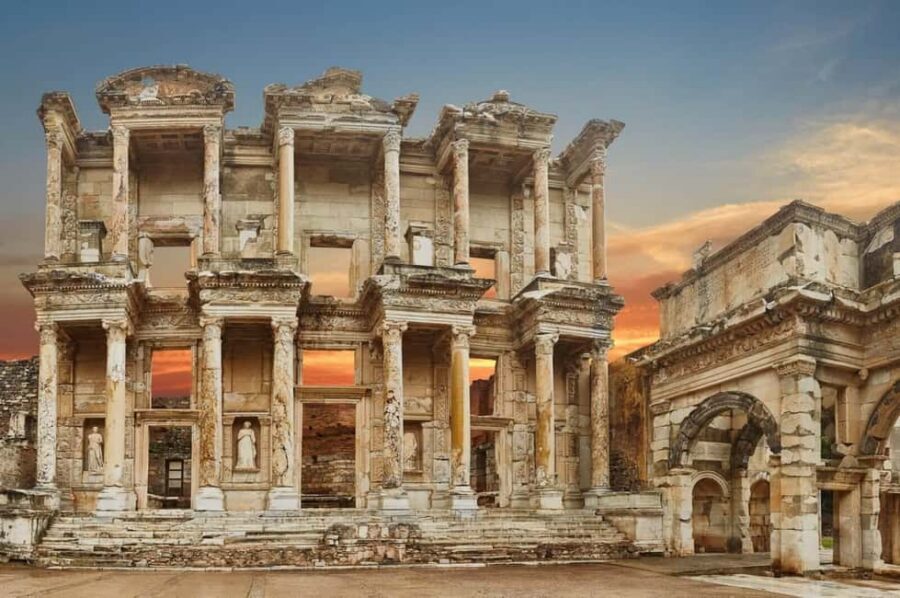
- Ephesus Ancient City: Celsus Library, Grand Theatre, and the main circuit
- Roman-era stops you’ll actually recognize: Hadrian, baths, marble street, and more
- Temple of Artemis: short visit, big name, Seven Wonders energy
- House of the Virgin Mary: the guided story plus a planned walk
- The optional Basilica of Saint John the Apostle in Selçuk (if time allows)
- Lunch, handicrafts, and the local culture between monuments
- Your guide matters: Memo, Kaya, Mehmet, Ali, and Ibrahim/Abdulah style
- Private vs small group: what you gain on a cruise day
- Price and logistics: what’s included, what costs extra
- Who this Ephesus tour suits best
- Should you book this Kusadasi Ephesus cruise tour?
- FAQ
- Where is the pickup point for this tour?
- How long does the tour take?
- Is this tour private?
- What’s included, and what costs extra?
- Does the itinerary include lunch?
- What language is the guide?
Key highlights that make this Kusadasi Ephesus tour worth it
- Skip the long ticket lines so your guide time goes to the monuments, not queues
- Licensed local guide in English for context at every stop
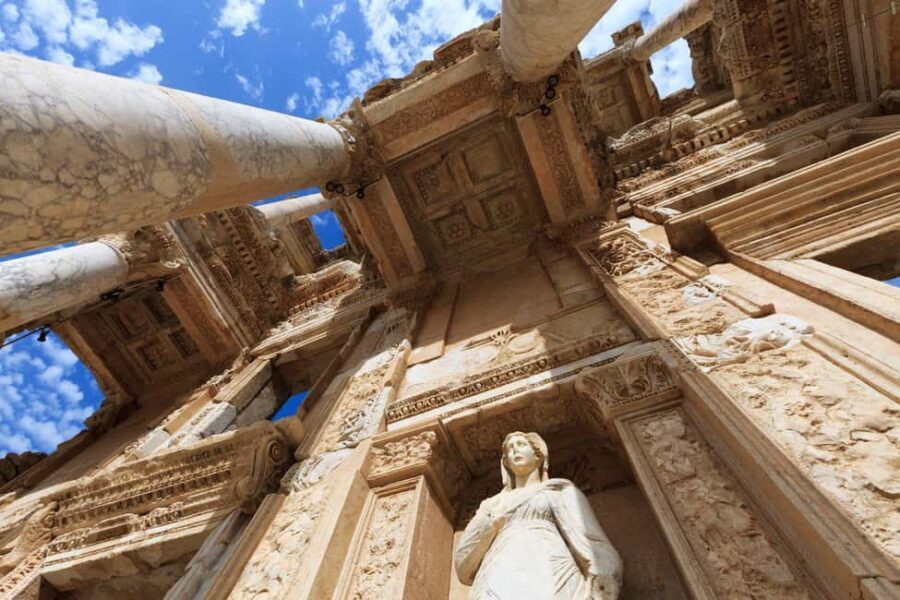
- UNESCO Ancient City of Ephesus with guided time at the big-hitters like the Grand Theatre and Celsus Library
- House of the Virgin Mary with a real-world history link to Lazarist Fathers and daily Mass
- Temple of Artemis as a short stop that still hits a Seven Wonders site
- Return to Kusadasi Cruise Pier plus free afternoon leisure after the tour
How this 5-hour Ephesus cruise tour runs from Kusadasi pier
This is designed for people who are on a clock. You’re met at the Kusadasi Cruise Pier, then you ride in an air-conditioned vehicle with a separate driver. The tour clock is about 5 hours total, with a round-trip feel: you’re not just dropped in Ephesus and sent off on your own.
Timing is mostly built into the itinerary. There’s a short van ride (about 20 minutes) before you reach the Ancient City, then guided time at Ephesus (about 2 hours), a 20-minute Temple of Artemis visit, and then the House of the Virgin Mary with guided time plus a walk of about 1 hour. The day ends with another return van ride (about 20 minutes) back to the pier.
That structure is great for first-timers. It’s also why it’s smart to wear shoes you can walk in and keep water handy, because the itinerary has at least one planned walking segment.
You can also read our reviews of more boat tours in Kusadasi


Ephesus Ancient City: Celsus Library, Grand Theatre, and the main circuit
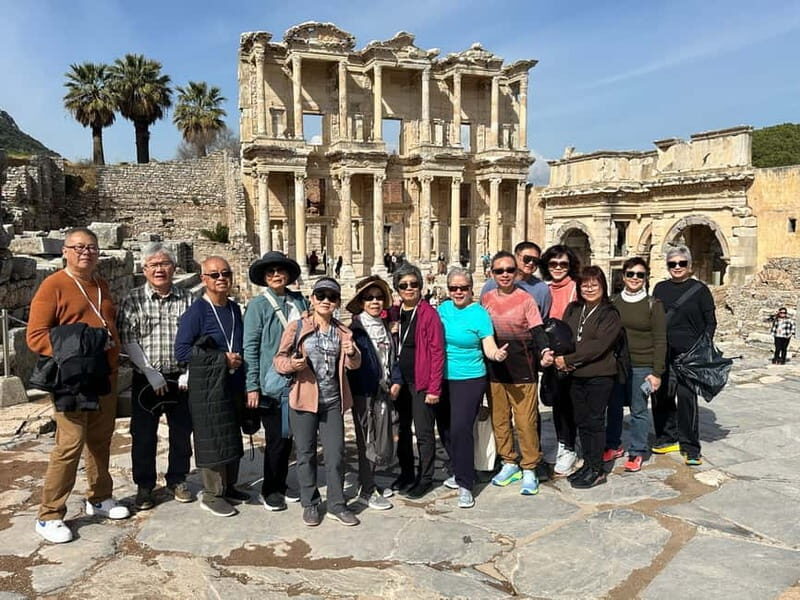
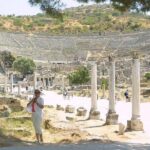
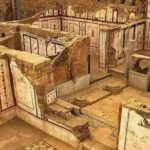
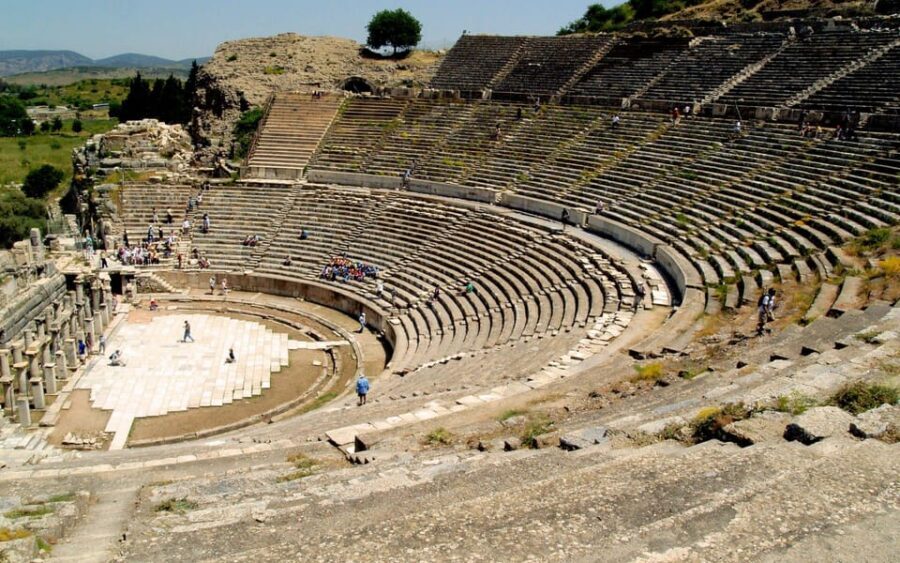
The core of the day is Ephesus Ancient City, a UNESCO-listed site. You’ll get both a photo stop and a guided tour lasting about 2 hours, which is enough time to see the most famous pieces without turning it into a sprint-only experience.
Here are the major stops you should expect on your guided route:
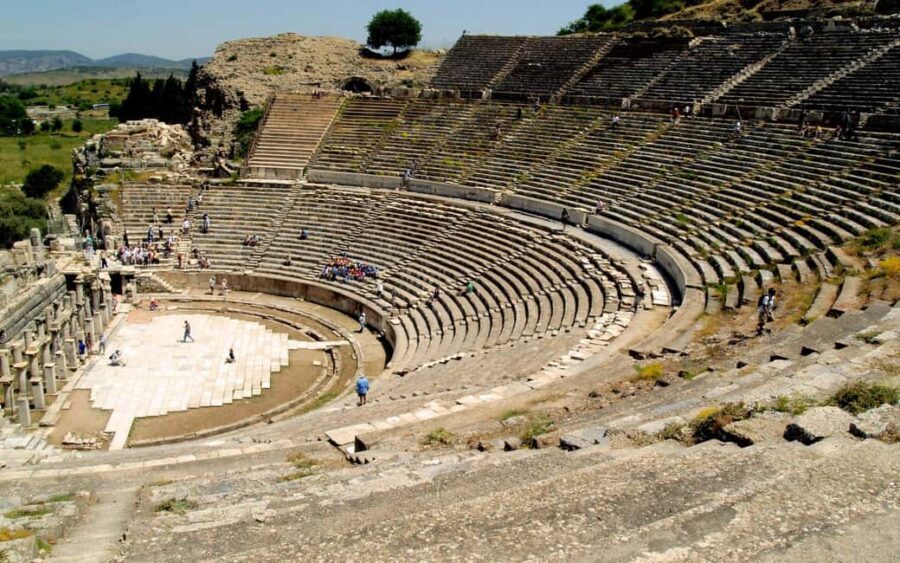
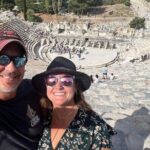
- Grand Theatre of Ephesus (linked to St. Paul’s preaching to the Ephesians)
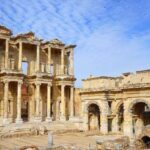
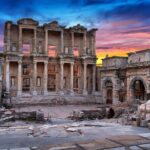
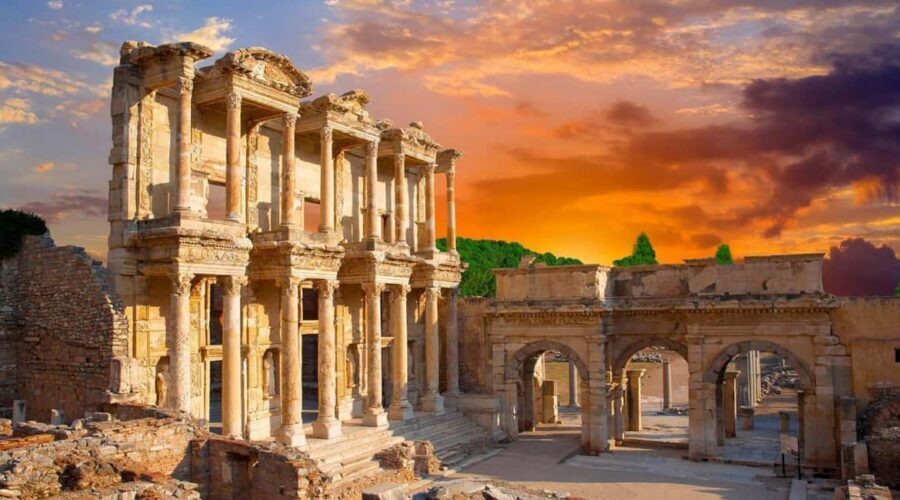
- Celsus Library (one of the most iconic ruins in town)
- The theater area that’s part of the same big-stage story of the ancient city
- A set of Roman-era streets and structures tied to daily life and civic pride
What I like about this part of the itinerary is that the tour isn’t just “look at columns.” The guide connects the ruins to people and events—especially around the early Christian story tied to the Ephesians.
A practical note: because the Ancient City stop is a fixed guided block, you’ll get the most value by listening early when your guide sets the layout. Once you know how the site is organized, the big buildings start making more sense even when you’re photographing.
Roman-era stops you’ll actually recognize: Hadrian, baths, marble street, and more
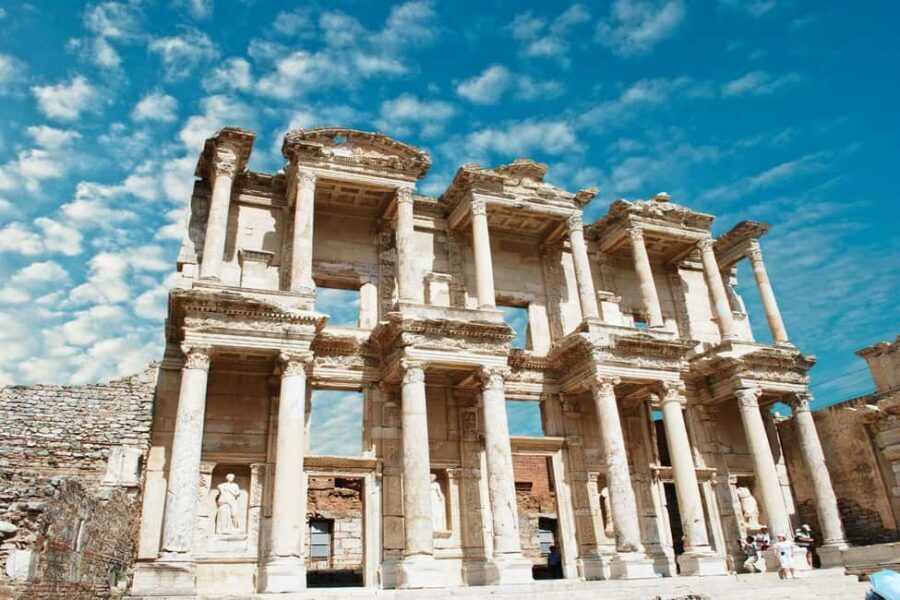
After you’re oriented, the tour moves through a set of standout Roman-era features. These aren’t random add-ons. They’re the things that explain how Ephesus functioned as a major harbor city and center of power.
From the day plan, you’ll see highlights such as:
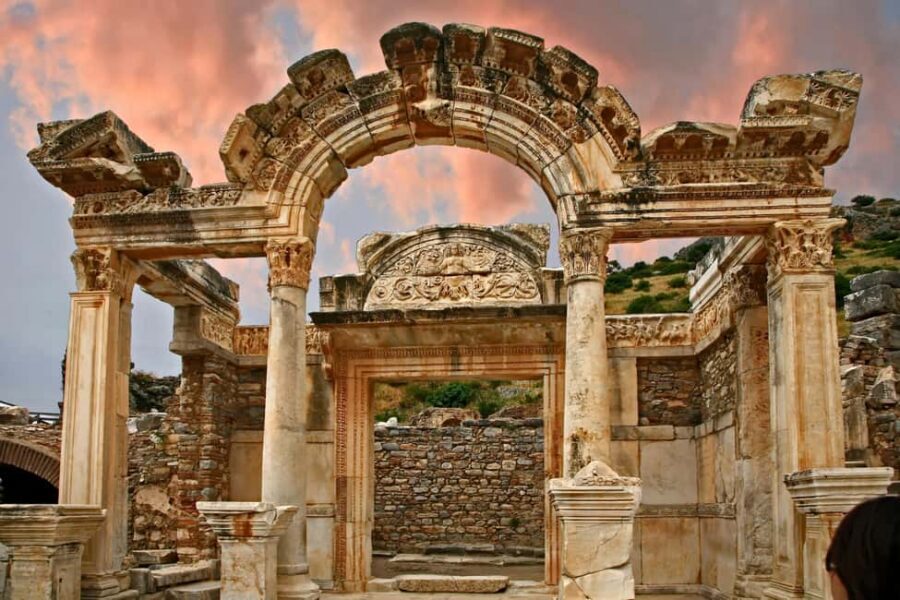
- Temple of Hadrian
- Roman Baths
- Public Toilets (yes, really—an important glimpse into civic infrastructure)
- Marble Street
- Fountain of Trajan
This mix matters. Ancient Ephesus often gets marketed as religion and legends, but these stops bring you back to the everyday mechanics of city life—where people gathered, how they moved, and what the elite funded.
Also, if you’re a history enthusiast, you’ll appreciate that the guide covers these as a connected system rather than isolated monuments. That’s the difference between collecting photos and understanding why the city looked the way it did.
Temple of Artemis: short visit, big name, Seven Wonders energy
The Temple of Artemis stop is brief—about 20 minutes—with both a photo stop and a guided visit. The key point here is scale and context: Artemis is one of the Seven Wonders of the ancient world, and the ruins are part of why Ephesus became such a magnet for visitors over centuries.
Because the time here is short, your best move is to treat it as a focused pause rather than a second “full Ephesus.” Your guide’s explanations will set the site in context, then you’ll get back on the road.
If you’re the type who loves standing in front of one monument for a long time, this may feel too quick. But if you’re balancing three major attractions in one cruise day, that 20-minute block is exactly what keeps the rest of your schedule from collapsing.
House of the Virgin Mary: the guided story plus a planned walk
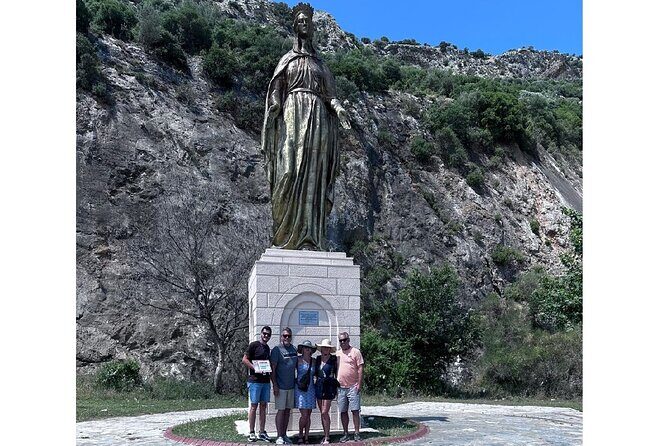
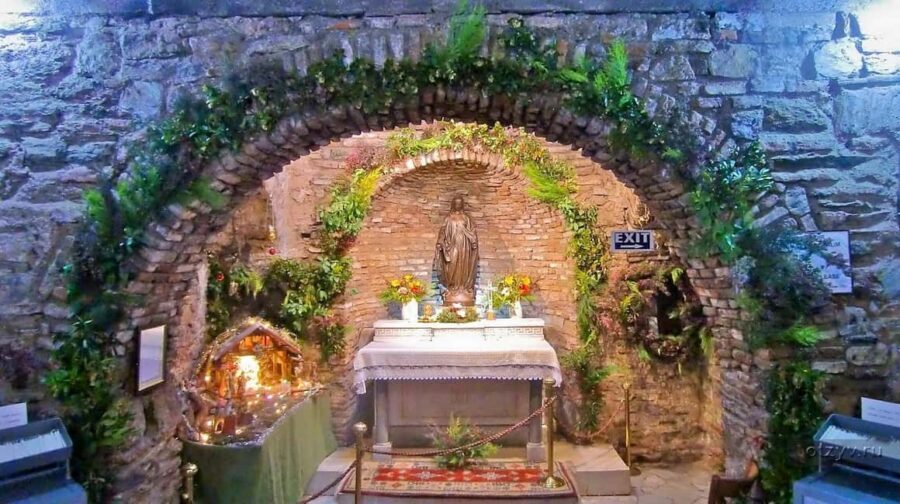
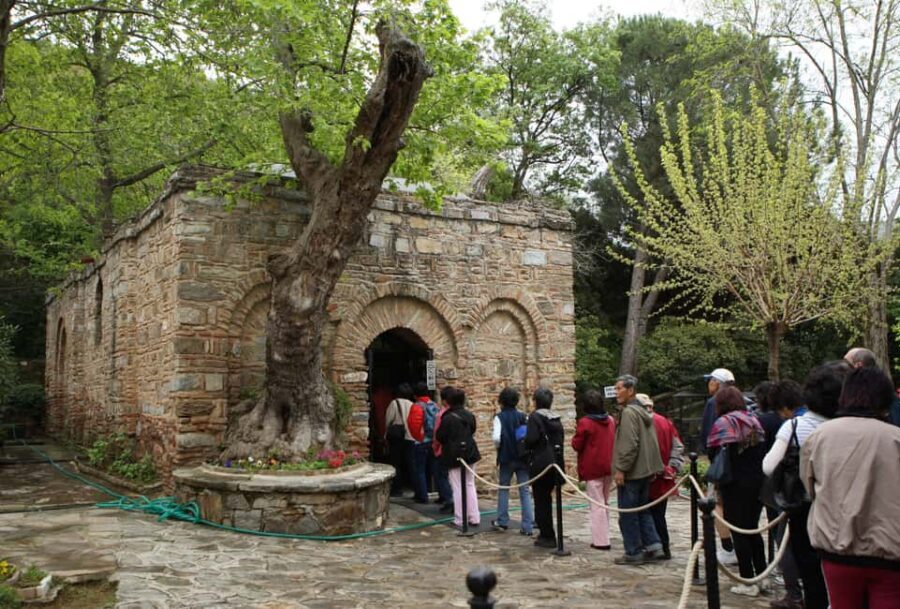
The House of the Virgin Mary is one of the most emotionally charged stops on the day. It’s described as a place identified after visions were reported, with Lazarist priests connected to its discovery story. Today it’s cared for by the Lazarist Fathers, and mass is celebrated daily.
You’ll start with a photo stop and a guided visit, then you’ll do a walk of about 1 hour as part of the experience. Even if you’re not coming for religion, this stop works because it’s a real-world place with a living routine, not just an architectural skeleton.
One consideration: since the walk is included as a planned part of the itinerary, your comfort level will matter. If you have limitations with walking, it’s smart to consider whether that 1-hour walk fits you.
You can also read our reviews of more private tours in Kusadasi
The optional Basilica of Saint John the Apostle in Selçuk (if time allows)
There’s an optional add-on in Selçuk: the Basilica of Saint John the Apostle. It’s described as a ruined church believed to be built on the site of the apostle’s tomb, and it’s considered an important pilgrimage destination.
What’s useful to know is the timeline. The basilica is said to have been built by Emperor Justinian in the 6th century AD, and it was destroyed by an earthquake in the 14th century. That leaves ruins, which are still impressive to see if you like early Christian architecture and pilgrimage history.
Because it’s optional, you’ll want to judge it based on your priorities and your energy level. If you want maximum time in the main Ephesus circuit and the Virgin Mary House already feels like it’s hitting your interests, you can skip it. If you’re specifically into Christian sites and ruins, this can add a meaningful extra layer.
Lunch, handicrafts, and the local culture between monuments
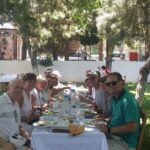
You’ll have a chance for lunch at a local restaurant during the day. The way the tour is set up, lunch isn’t just a place to refill; it’s part of making the whole experience feel like it belongs in Turkey.
Some days (and with some guides), the lunch stop becomes more than a standard meal. There’s mention of lunch at a farm where kids enjoyed the green lawn and animals like chickens and geese, plus a sense that the food comes from local growing practices. In other cases, a guide may add a stop connected to handmade work, like a local potter selling or demonstrating handmade dishes and art.
Handicrafts are also part of the trip, with time to explore Turkish tradition through crafts you can see and ask questions about. That’s a good match for people who don’t want the day to be 100% ruins and photographs.
Your guide matters: Memo, Kaya, Mehmet, Ali, and Ibrahim/Abdulah style
A tour lives or dies on the person steering it. This one is explicitly built around a professional licensed local guide in English, and the best part is how the storytelling seems to land.
If you get a guide like Memo, you’ll likely get a very detailed run through Ephesus history, followed by extra local culture like time connected to a potter. Kaya is described as highly knowledgeable and fun, with explanations that make the sites easier to follow. Mehmet is noted for being friendly and attentive, even with families, and for arranging a lunch setting that includes a more hands-on feel like watching a carpet making technique. Ali is praised for detail and for keeping things smooth, including avoiding ticket queues. Guides such as Ibrahim and Abdulah are described as providing both safe driving and strong historical explanation.
The big pattern: the guide isn’t just listing what’s in front of you. They connect the buildings to why they matter, then help you spend your day with less friction.
Private vs small group: what you gain on a cruise day
This tour is offered as private or small groups. For cruise guests, that matters because you’re often sharing tight time windows with everyone else at the port.
A private or small-group structure can help you move at a pace that fits your group’s attention span. It can also make it easier to ask questions, especially if you want more context at places like the Grand Theatre or the story behind the Virgin Mary House.
That said, even with a private setup, you still have a fixed route: the day plan is built around set stops and return timing to the pier. The “freedom” here is in how your guide handles the moments, not in rewriting the itinerary.
Price and logistics: what’s included, what costs extra
Here’s the value math as you plan. The tour includes:
- Professional licensed local guide
- Fully air-conditioned brand new vehicle and a separate driver
- Port pickup and drop-off
- Private tour
- All taxes and parking fees
- Skip the ticket line approach
Entrance fees are not included, so you’ll want to have money set aside for tickets. Also, because you’ll want to make the most of your limited time, it’s worth thinking of entrance fees as part of the total cost of seeing UNESCO-level ruins—then comparing that to the value of guide time and transportation bundled into the experience.
Who this Ephesus tour suits best
This is a strong fit if:
- You’re arriving by cruise and you want a structured plan back to the pier
- You’re new to Ephesus and want the major monuments and stories in one go
- You want a licensed English guide rather than relying on self-guided wandering
- You like a day that mixes top sights with a bit of local culture like handicrafts and lunch
It may not be the best fit if you hate guided tours and would rather roam slowly on your own. It also won’t suit you if you want lots of extra stops beyond what’s already scheduled—because the day is built for a quick, efficient order.
Should you book this Kusadasi Ephesus cruise tour?
Yes, if you want a cruise-day win: Ancient Ephesus plus the House of the Virgin Mary plus the Temple of Artemis, all handled with a licensed guide and built-in port logistics. The “skip ticket lines” promise is especially helpful when you’re fighting the clock.
I’d book it over a self-guided plan when you care about context and don’t want to guess your way through major ruins. And I’d treat it as an efficient sampler: you’ll see the big names, learn how they connect, and still leave with a free afternoon back in Kusadasi.
FAQ
Where is the pickup point for this tour?
You’ll be picked up at the Kusadasi Cruise Pier. The guide meets you with a sign that has your name on it.
How long does the tour take?
The total duration is about 5 hours.
Is this tour private?
Yes. It’s available as a private tour or for small groups.
What’s included, and what costs extra?
The tour includes a licensed local guide, air-conditioned transportation with a separate driver, port pickup and drop-off, and taxes and parking. Entrance fees are not included.
Does the itinerary include lunch?
Yes. You’ll have the opportunity to have lunch at a local restaurant during the tour.
What language is the guide?
The tour guide provides the experience in English.