REVIEW · KUSADASI
Biblical Jewels of Ephesus
Book on Viator →Operated by HERACLES TRAVEL · Bookable on Viator
Ephesus in one tidy morning is hard to beat. This tour strings together the standout Ephesus ruins and the major Christian pilgrimage stops at Meryemana and St. John’s Basilica, with a guide who helps you connect the stones to the stories people came for. You get a plan that works well for cruise schedules, not a half-day of aimless wandering.
I especially like that you’re not stuck buying separate transportation—an air-conditioned minivan picks you up and gets you from stop to stop. I also like the pacing: you get time for the key monuments and then you’re back at the port without feeling rushed from one photo spot to the next.
One consideration: the ruins and pilgrimage sites involve walking, and the schedule is built on short, focused visits (about two hours at Ephesus, then two shorter Christian-site stops). Also, entrance fees are listed as not included, even though the overall description suggests you won’t worry about them—so it’s smart to confirm what you’ll pay on the day.
In This Review
- Key highlights worth clocking
- Kusadasi pickup and van time: why this setup works
- Ancient Ephesus ruins in two hours: what to prioritize
- How to enjoy Ephesus more (and not burn time)
- Roman monuments meet early Christianity: why Hadrian and the Theatre matter
- A small drawback: it can feel compact
- Meryemana (House of the Virgin Mary): pilgrimage meaning in a short visit
- How to make the most of your 45 minutes
- Basilica of St. John: a focused end with big atmosphere
- A practical tip for your finale
- Lunch that keeps you functional, not stuffed
- What to bring energy-wise
- Price and value: $69.60 that’s mostly about logistics
- Why the guide is part of the value
- Who should book this Ephesus day trip from Kusadasi
- Should you book Biblical Jewels of Ephesus?
- FAQ
- What time does the tour start?
- How long is the tour?
- Is lunch included?
- Are entrance fees included?
- How does the cruise pickup work in Kusadasi?
- Is this a private tour?
Key highlights worth clocking
- Ephesus highlights in a guided route: Odeon, Celsus Library, Grand Theatre, Hadrian’s Temple, and more
- Meryemana (Virgin Mary’s House) plus the Pope Paul VI pilgrimage connection from July 26, 1967
- St. John’s Basilica as a focused finale, likely tied to where St. John is buried
- Authentic lunch included, so you’re not hunting food between ruins
- A cruise-friendly structure with morning departures and direct port-area meeting
Kusadasi pickup and van time: why this setup works
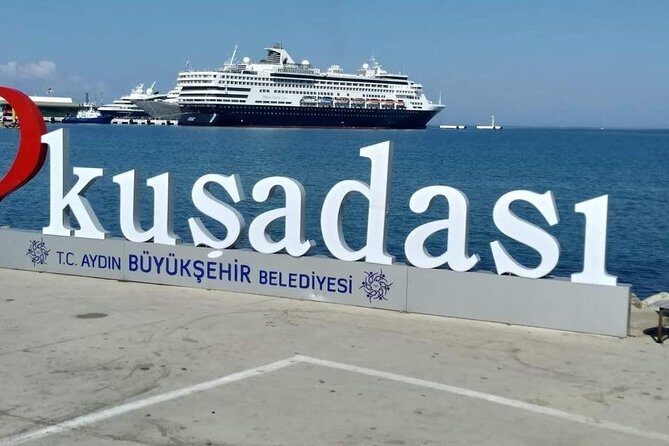
Your day starts in Kusadasi at the cruise port. A professional local guide meets you at the arrival gate with a board showing your name, then you’re guided to the van. It’s a small detail, but it saves time—especially when ships dock and passengers flood the gates.
The tour departs at 8:00 am, and it runs with flexible morning departures. That matters because you’ll spend less of your day waiting around, and more of it in Selçuk and Ephesus, where the sights are the real payoff.
You’ll travel by air-conditioned minivan, which is a big deal in this part of Turkey when the sun starts to climb. On a day built around archaeology and religious sites, the comfort of the ride helps you arrive less frazzled and ready to walk.
You can also read our reviews of more tours and experiences in Kusadasi.
Ancient Ephesus ruins in two hours: what to prioritize
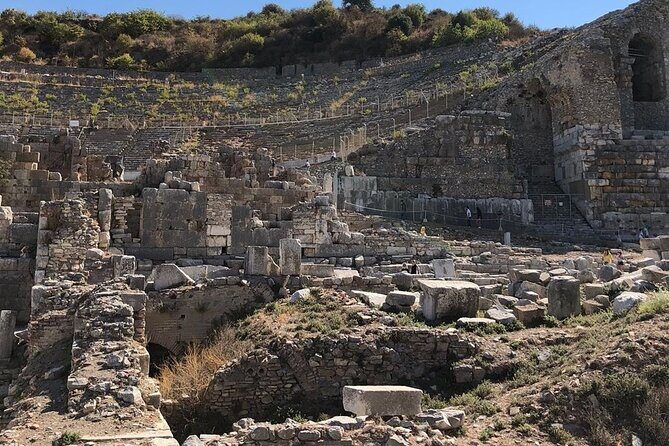
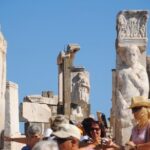
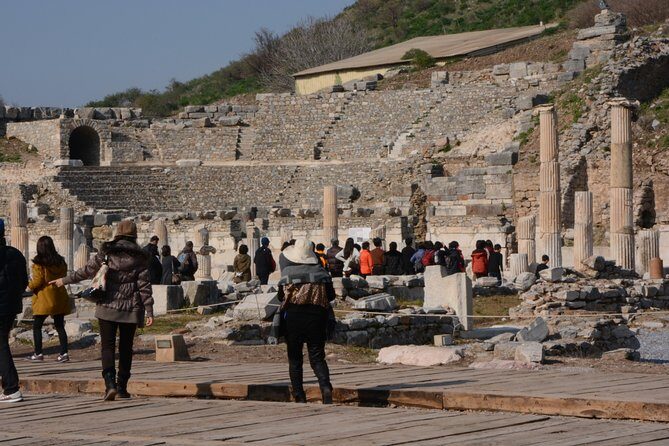
Ephesus is the kind of place where people get lost in the scale. You’ll drive about 30 minutes to Selçuk, then start sightseeing with stops inside the major ruin area. With roughly two hours on the clock, the smart move is to let the guide’s route do the heavy lifting.
Here’s the main set of Ephesus sights you’ll pass through or see during your time there:
- Odeon
- State Agora
- Temples of Dea Roma
- Prytaneion
- Domitian Square
- Hercules Gate
- Curetes Street
- Fountain of Trajan
- Baths of Scholastica
- Temple of Hadrian
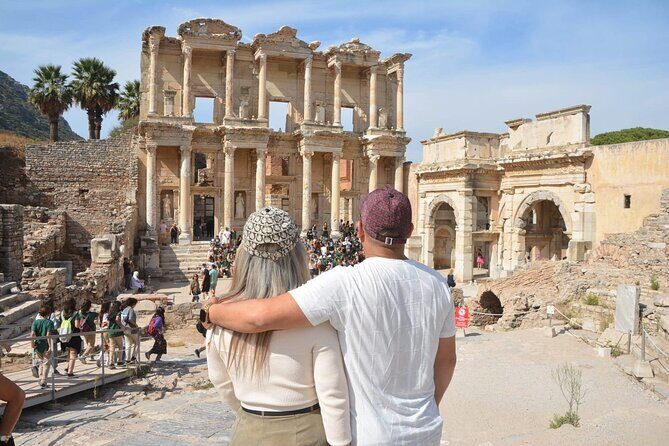
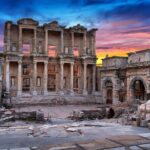
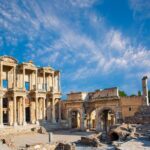
- Celsus Library
- Gymnasium
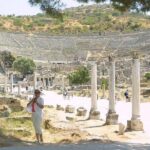
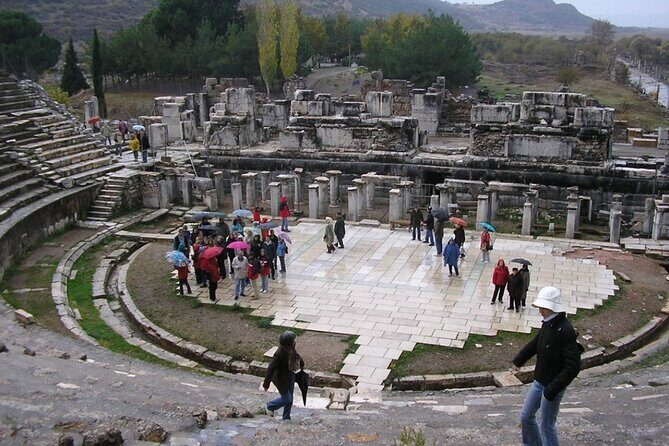
- Grand Theatre
That is a lot of major names for two hours, and that’s exactly why this guided route helps. Without structure, you can easily miss the relationships between buildings—how the city’s public life, worship, and politics all played out in the same walkable area.
How to enjoy Ephesus more (and not burn time)
I’d treat this as a focus-and-feel day, not a museum checklist. If you want the most rewarding order, aim to linger briefly at the “anchor” monuments the guide points out—places like Celsus Library and the Grand Theatre—then keep moving at a steady pace through the rest.
Also plan for uneven ground. Ruins mean stone steps, open courtyards, and paths that don’t always feel smooth. Good walking shoes turn this from annoying to manageable.
Roman monuments meet early Christianity: why Hadrian and the Theatre matter
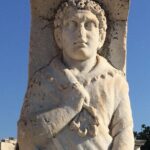
Ephesus wasn’t a one-role city. You can see the layers as you move: Roman civic power, Greek-era urban design, and later the shift toward early Christian meaning. The stop that ties some of those threads together is the Temple of Hadrian, which you’ll encounter among the main ruin highlights.
Then there’s the Grand Theatre, a place built for huge gatherings. When you stand where speeches and performances likely happened, it’s easier to understand why Ephesus became such a magnet—socially and politically—before it became a major religious focal point.
If you care about religion and architecture at the same time, this is one of the best ways to do it. You’re not learning from a screen; you’re reading the city with your feet. A good local guide matters here, because they’ll translate what these structures were used for and how people would have moved through them.
A small drawback: it can feel compact
Because your Ephesus time is limited to about two hours, you won’t slow down for deep, hour-long study at every building. If you’re the type who wants to sit and read every sign for 30 minutes, you might feel the pressure to keep up.
A workable compromise is to pick your top three and enjoy everything else as context—sort of like getting a well-guided highlights reel of the city.

Meryemana (House of the Virgin Mary): pilgrimage meaning in a short visit
After Ephesus, you’ll head to Meryemana, the House of the Virgin Mary. This stop is about 45 minutes, which is enough time to understand the site and still keep the day flowing. You’re there for the belief that Mary spent her last years here, and the tradition that St. John brought her to Ephesus after Jesus’ death.
The story you’ll hear connects the house to Bulbul Mountain, along with the tradition of a small house built for her there. Whether or not you follow the belief personally, the site’s importance is clear: people come for a place that has been treated as a pilgrimage destination for a long time.
A key moment in that pilgrimage story is Pope Paul VI’s visit on July 26, 1967, when he declared it a pilgrimage center. That detail gives the visit more than just local legend—it ties the site to modern Catholic pilgrimage history too.
How to make the most of your 45 minutes
This is a spiritual stop, so it’s worth keeping your behavior respectful and your pace calm. Dress sensibly for a religious location, and be ready for the kind of quiet, reflection-focused atmosphere where people aren’t trying to race for photos.
Also, because it’s a shorter time block, don’t treat this as a second museum. Use your time to read what you can, listen to the guide’s context, and then take a moment to just sit and absorb.
Basilica of St. John: a focused end with big atmosphere
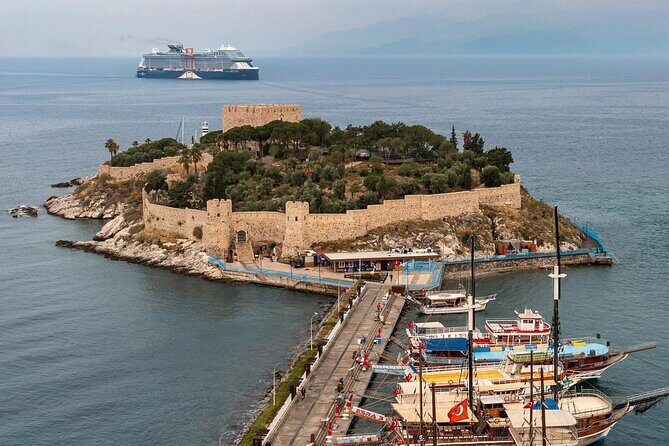
Your final major stop is Saint John Kilisesi (Basilica of St. John). This is about 45 minutes. You’ll hear it described as the place where St. John was most probably buried, which is a careful wording you’ll want to remember: traditions vary, but the basilica is clearly tied to the memory of the apostle.
For many people, this stop lands differently than Ephesus does. Ephesus is about buildings and city life you can still walk through. The Basilica is about memory, faith, and the sense that this area kept meaning for centuries.
When your time there is done, you’ll transfer back to the port and wrap up the day where you started.
A practical tip for your finale
Keep a bit of energy for the last stop. Even if Ephesus wore you out, St. John’s basilica can still be powerful when you’re not rushing. If you pace yourself at Ephesus—steady walking, short pauses—you’ll enjoy this ending more.
Lunch that keeps you functional, not stuffed
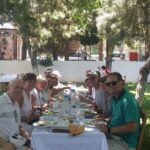
Lunch is included, and the day is designed so you can eat without losing the sightseeing momentum. The format described is fresh lunch and an authentic à la carte lunch.
Why I like that: a sit-down meal with a clear purpose beats a rushed grab-and-go near a tourist road. You’ll show up at Meryemana and St. John more awake, which matters because those stops are shorter and more focused—there’s less time to recover mid-day.
What to bring energy-wise
Even with lunch handled, you’ll still want your basic travel comforts:
- water (especially if it’s hot when you’re walking)
- sunscreen
- a hat or sunglasses
Ruins can mean bright stone and sharp sun. Staying comfortable keeps your brain on the story instead of on your sunburn.
Price and value: $69.60 that’s mostly about logistics
At $69.60 per person, this is priced like a solid cruise-day option: you’re paying for transport, guiding, and lunch more than you’re paying for the buildings on their own.
What’s included:
- Transport by air-conditioned minivan
- Professional local tour guide
- Lunch
What’s not included:
- Entrance fees
Here’s the confusing part to pay attention to: the overall description says not to worry about entrance fees, but the listed details say entrance fees are not included. So I’d treat it like this: the tour price covers your guiding and meal and transport, and you should expect to pay site entrance tickets at the main attractions unless the operator confirms otherwise in writing for your dates.
Why the guide is part of the value
When you’re walking through Ephesus and then moving into pilgrimage sites, the “value” isn’t just the view. It’s the explanation that helps you connect:
- what each monument was used for
- why the city mattered later to early Christianity
- how modern pilgrimage traditions connect back to specific dates and names
The reviews you’d see for this kind of tour usually credit the guide for making the sites easier to understand. In practical terms, that means less time guessing and more time appreciating.
Who should book this Ephesus day trip from Kusadasi
This tour fits best when you want a structured day that hits the key targets without turning into a full-day endurance test.
You’ll like it if:
- you’re doing this as a cruise shore excursion and need clear timing
- you want both Ephesus ruins and the major Christian stops (Meryemana and St. John’s Basilica)
- you prefer a guided flow through big sites rather than navigating on your own
You might think twice if:
- you have limited mobility or you don’t handle walking well (the day includes multiple sites with outdoor walking)
- you’re the type who wants to linger for a long time at a single monument rather than follow a short, guided route
Also, this experience is described as private, meaning it’s only for your group. If you book as a couple or small group, that can feel more personal than a giant crowd tour, even with the same core route.
Should you book Biblical Jewels of Ephesus?
I’d book it if you want a single, organized day that ties together Ephesus and the pilgrimage sites without forcing you to make a bunch of separate decisions. The combination of Ephesus’s big-name ruins, Meryemana, and St. John’s Basilica, plus lunch and comfortable transport, is exactly the kind of value you want for a cruise port day.
I’d only hesitate if entrance fees matter to your budget and you’re relying on the wording about no entrance fees. Send a quick message before you travel and confirm what you’ll pay for each site on your exact date.
If you get that clear and you’re good with a guided highlights pace, this is a strong choice for seeing the “biblical jewels” of the region in about one day.
FAQ
What time does the tour start?
The tour start time is 8:00 am.
How long is the tour?
The duration is about 7 hours.
Is lunch included?
Yes. Lunch is included in the tour.
Are entrance fees included?
Entrance fees are listed as not included, so you should plan on paying site entrance tickets unless your booking confirmation says otherwise.
How does the cruise pickup work in Kusadasi?
Your guide meets you at the arrival gate of the port with a board showing your name, and then you’re taken to the van.
Is this a private tour?
Yes. It’s described as private, meaning only your group participates.