REVIEW · KUSADASI
Biblical Ephesus Private Tour From Kusadasi Port
Book on Viator →Operated by Turkey Tours Company · Bookable on Viator
Ancient Ephesus is a lot to wrap your head around. This private, cruise-timed tour is built to do it in a sensible order, with a guide to translate the stones into a story you can actually follow. You’ll hit major biblical sites like the House of the Virgin Mary and St. John Basilica, plus the big Roman landmarks most people only see from photos.
I really like that you’re not stuck with a rigid script; if you want more explanation at one stop, your personal licensed guide can adjust. I also like the “go and come back on schedule” focus, because you’re coming from Kuşadası Port and the plan is to get you back for your cruise.
One thing to plan for: entrance fees are not included (Ephesus is listed at 40 €), so your final cost will be higher than the $22.88 base price once you add tickets and any optional skip-the-line arrangements.
In This Review
- Key things I’d plan around before you book
- Price and what you’re really buying ($22.88 vs. entrance fees)
- Port pickup at Kuşadası: how to find your team fast
- The House of the Virgin Mary: a quiet stop with big meaning
- Ephesus Ancient City: how to experience it without feeling rushed
- St. John Basilica: the apostle story tied to a real building
- Temple of Hadrian, Hercules Gate, and Curetes Street: your Roman architecture mini-course
- Temple of Hadrian
- Hercules Gate
- Curetes Street
- Ephesus Terrace Houses: the behind-the-scenes look at daily wealth
- Lunch and comfort: the small details that make a cruise day work
- Skip-the-line tickets: how to handle them smoothly
- Who this tour suits best
- Should you book this Kuşadası to Ephesus private tour?
- FAQ
- How long is the Biblical Ephesus private tour from Kuşadası Port?
- Where do you meet and how do you find the guide at the port?
- What’s included in the tour price?
- Are entrance fees included for Ephesus and the other sites?
- Can the guide arrange skip-the-line tickets?
- Is this a private tour?
Key things I’d plan around before you book
- Private guide, not a big-group shuffle so you can ask questions and keep moving at a cruise pace
- Cruise return promise built into the schedule, which matters on port days
- Biblical + Roman highlights in one route, including the House of the Virgin Mary and major Ephesus ruins
- Air-conditioned comfort with pickup/drop-off in a fully AC vehicle and a bottle of water
- Some stops include admission while others don’t, so check what you’ll pay on top
Price and what you’re really buying ($22.88 vs. entrance fees)
At $22.88 per person, this tour isn’t expensive for what you get up front: a licensed professional guide, insurance, deluxe lunch, and air-conditioned transportation, plus a bottle of water during the day. If you’re coming off a cruise and want a full guided day without getting lost in transit and ticket lines, that value adds up fast.
But the main cost reality is simple: entrance fees are not included. Ephesus entrance is listed at 40 €, the House of the Virgin Mary at 500 TRY, St. John Basilica at 6 €, and the Ephesus Terrace Houses at 15 €. Meanwhile, some specific site admissions are listed as included in the tour flow (Temple of Hadrian, Hercules Gate, and Curetes Street).
So the best way to think about the total: you’re paying for a smooth, guided, cruise-ready day, and you’ll pay ticket fees on top for the open-air and religious sites. If you’re the type who hates waiting in lines and wants control, consider arranging skip-the-line tickets with the guide when you board the day’s plan.
You can also read our reviews of more private tours in Kusadasi
Port pickup at Kuşadası: how to find your team fast
This is designed for cruise travelers. Your meeting point is the exit area from the port, where you should look for your reservation name on a board with your name. You’ll be picked up based on your arrival time, and the tour specifically notes guaranteed return on time to the cruise.
That part matters. Ephesus sites can eat time: you walk a lot, you stop often, and ticket lines can be slow. A good pickup system makes the rest of the day feel calmer, because you’re not losing your prime hours just to locate your driver.
If you want an even smoother start, there’s also an option for a personalized greeting with your name at the port for an additional 3 € per person.
The House of the Virgin Mary: a quiet stop with big meaning
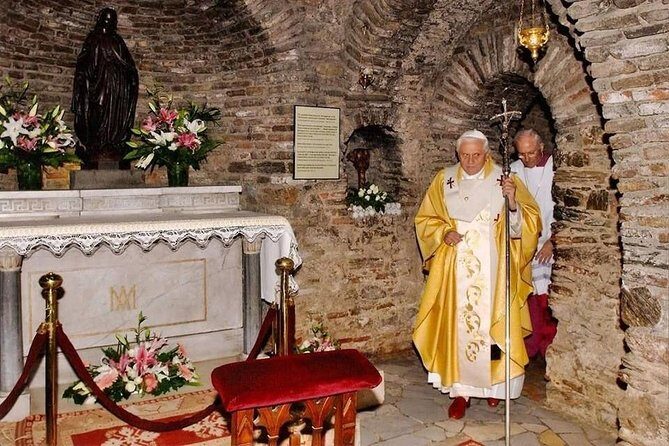
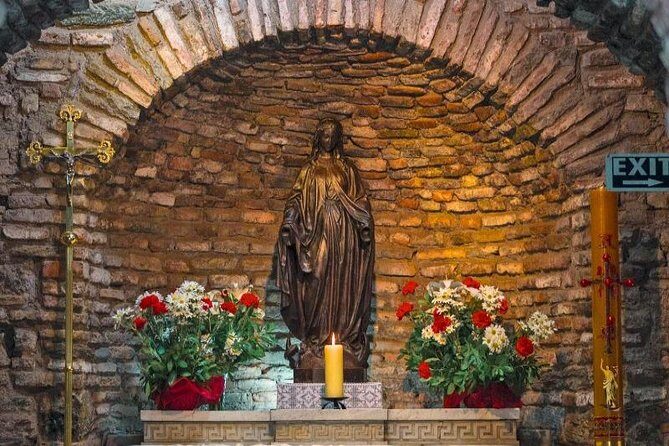
The first major land-based spiritual site is the House of the Virgin Mary. According to long-held belief, Mary spent her last years here with St. John, living in the area during the years 37–45 CE before the tradition of her Assumption or Dormition.
Practically, this stop is valuable for two reasons:
1) It gives you a human scale to the day before the Roman stones.
2) It helps you connect Ephesus to the Christian story many visitors come here for, rather than just seeing it as an archaeological park.
The tour schedules about 1 hour here, and the entrance is listed as not included. The good move: if you’re set on minimal waiting, plan to coordinate skip-the-line access with your guide before you reach the gate.
One thing to consider: this is a faith-focused stop, so dress modestly and expect a slower, more reflective pacing than the busier Ephesus ruins.
Ephesus Ancient City: how to experience it without feeling rushed
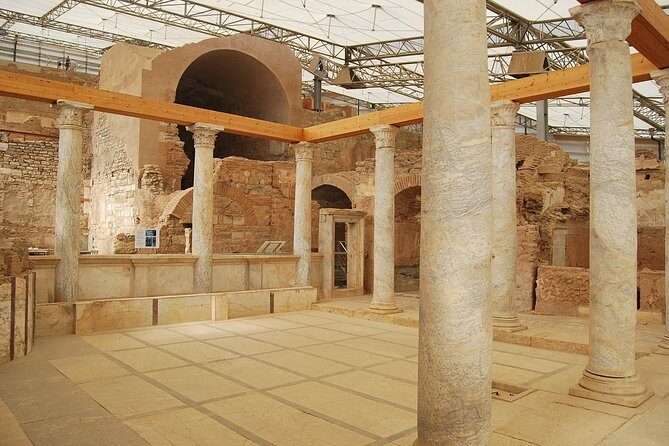
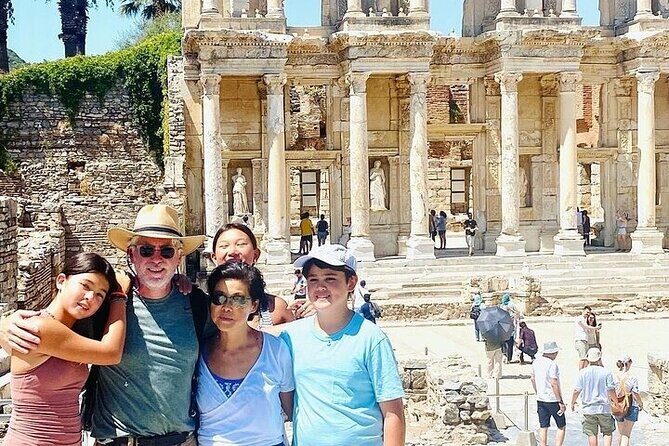
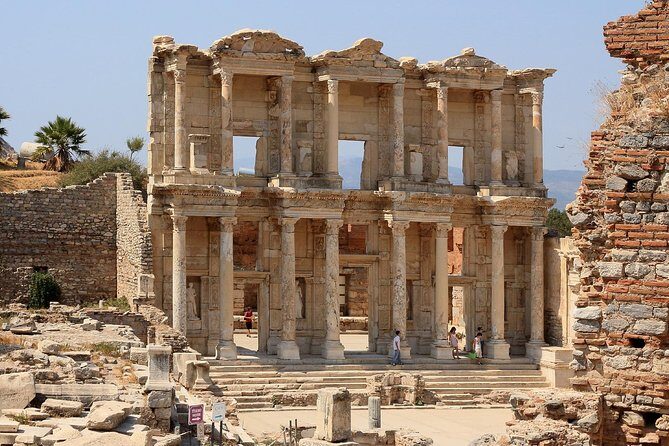
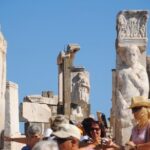
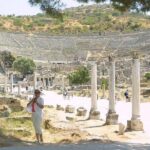
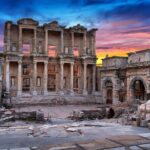
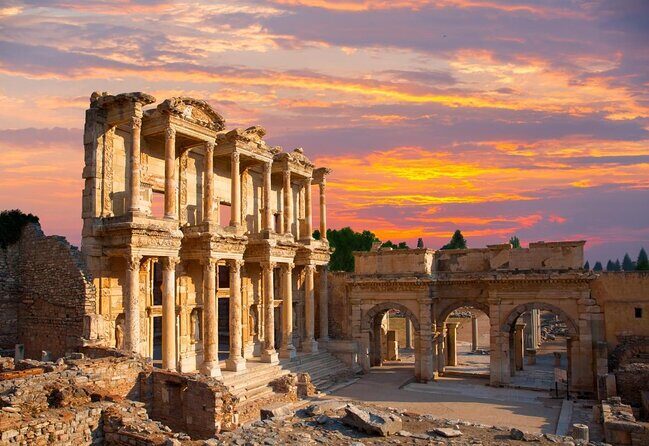
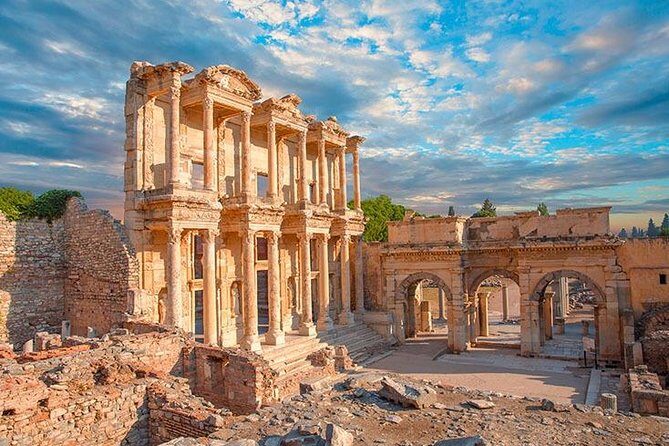
Next comes the big one: Ephesus Ancient City, planned for about 3 hours. Even if you’ve seen Ephesus from postcards, seeing it in person is different because the scale hits you all at once.
Ephesus was a major Roman-era city—so large that it’s described as the second largest city in the Roman Empire (behind Rome), with over 250,000 people in the 1st century BCE. And because it was a harbor city, it felt connected to the wider world.
In your walking route, you’ll typically see major landmarks tied to daily life, religion, government, and spectacle, including:
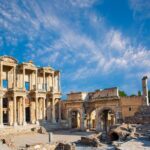
- Library of Celsus (listed as the third largest library)
- Marble Street and Harbour Street areas in the route context
- Hadrian Gate
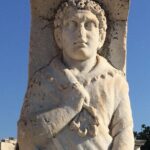
- Goddess Nike
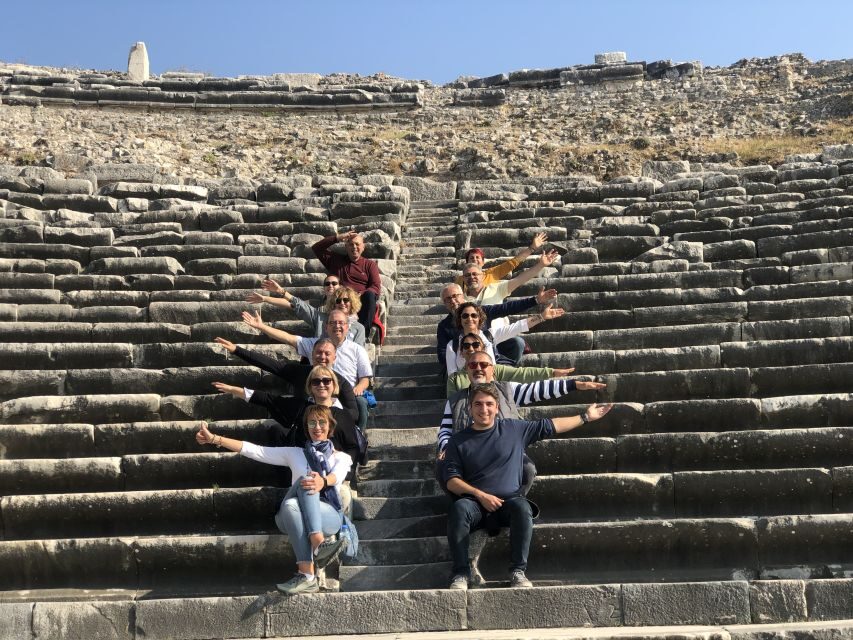
- Key public spaces, plus the city’s impressive theatre scale (the amphitheater is described as holding over 25,000 seats)
What makes this stop work with a private guide is the explanation. The ruins can look like random piles if you’re not given the “what you’re looking at and why it mattered” story. With a personal guide, you’re more likely to notice the details that connect the sites: the street layout, the civic architecture, and the way the city was built for people to gather.
Possible drawback: Ephesus is walk-heavy. Even with the best routing, you should expect uneven surfaces and a lot of steps. If you’re not a comfortable walker, consider asking your guide to prioritize the highest-impact sights first.
St. John Basilica: the apostle story tied to a real building
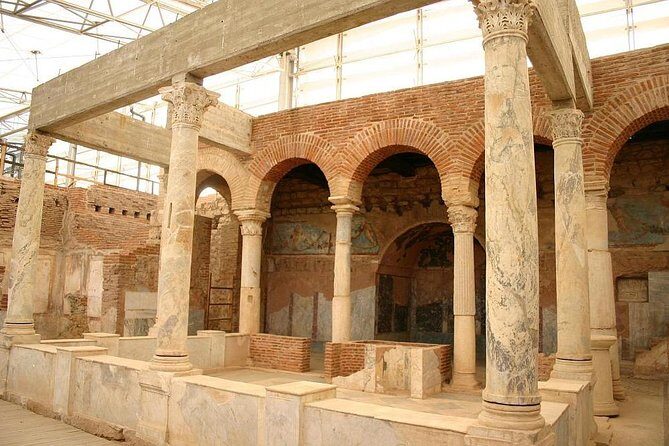
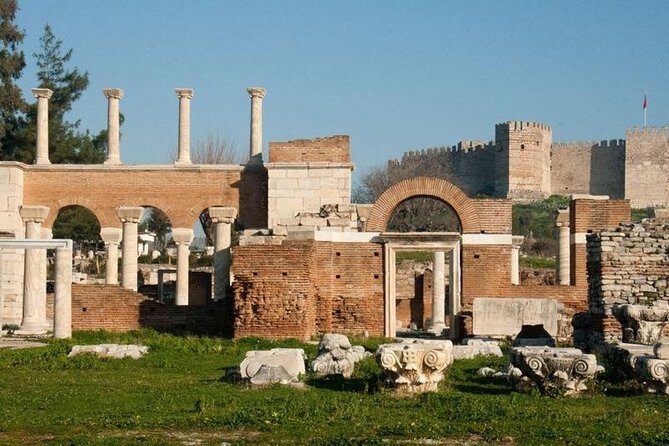
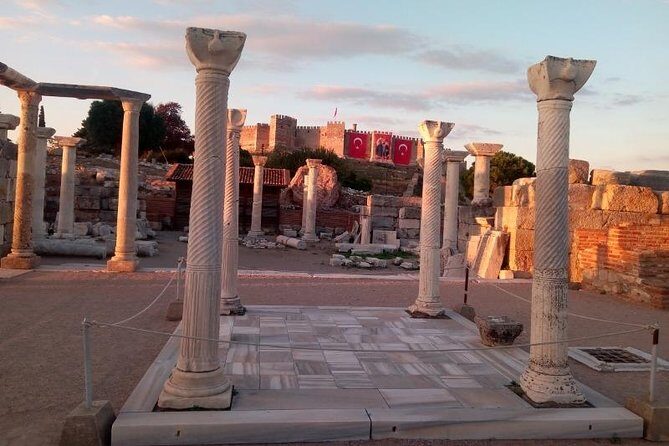
After the main Ephesus walk, you move to St. John Basilica, planned for about 45 minutes. It was constructed in the 6th century and is positioned over a believed burial site of John the Apostle. The guide framing here matters: it’s not just a structure; it’s a place built to anchor belief in a specific location.
The basilica is described as modeled after the now-late Church of the Holy Apostles in Constantinople. That kind of link helps you understand how churches and traditions traveled across the Roman world.
Entrance fees are listed as not included. If you’re trying to keep the day moving efficiently, arrange skip-the-line through your guide rather than trying to figure it out last minute.

Temple of Hadrian, Hercules Gate, and Curetes Street: your Roman architecture mini-course
This part of the tour feels like a concentrated architecture stop—less “museum-style,” more “look at that façade, then walk one hundred meters and notice the next detail.”
Temple of Hadrian
You spend around 10 minutes at the Temple of Hadrian, and this admission is listed as included. It’s described as one of the best-preserved and most beautiful structures on Curetes Street, built before 138 A.D. and dedicated to Emperor Hadrian, who visited the city in 128 A.D.
The façade is known for its four Corinthian columns supporting a curved arch, with a central relief of Tyche, the goddess of victory. The guide attention here is the point: once someone points out the symbols, you see patterns you’d otherwise miss.
Hercules Gate
Next is the Hercules Gate, about 5 minutes, also with admission listed as included. It’s called Hercules Gate because of a relief of Hercules on it. The relief details are dated to the 2nd century AD, while the gate itself was moved to its current location in the 4th century AD.
The route also connects this area to other Nike reliefs described as part of nearby Domitian Square context—again, this is where a guide helps you build the mental map fast.
Curetes Street
Then you walk through Curetes Street, around 10 minutes. This is one of Ephesus’s three main streets, named after priests called Curetes. The street includes fountains, monuments, statues, and shops, with details like the two-storied shop setup and the idea of colonnaded galleries with mosaics underneath houses along the slope.
You also get a crash course in how the city changed. Earthquakes damaged structures, and restorations happened with columns replaced from other buildings—so the street isn’t frozen in one moment of time. It’s a living reminder that cities rebuild, even in antiquity.
If you like details, this section will feel like a payoff. If you’re mainly here for the big photo spots, it can feel like a fast walk—so use the guide. Ask what’s most important to look for and why.
Ephesus Terrace Houses: the behind-the-scenes look at daily wealth
The tour’s last big Ephesus stop is the Ephesus Terrace Houses, about 1 hour. Entrance is listed as not included.
These terraced residences are described as the homes of the rich, built in a city plan associated with right-angle intersections. The appeal here is that it offers a glimpse of family life and the way wealthy Romans organized space on a slope.
This stop is valuable because it balances the “public Ephesus” feeling of the theatre and streets. You get the sense that Ephesus wasn’t just about ceremonies and crowds—it was also about private routines, household display, and how people moved through a multi-level home.
Lunch and comfort: the small details that make a cruise day work
A lot of cruise excursions fail because you end up hungry and cranky, or you spend your energy fighting heat and timing. This tour includes deluxe lunch and a fully air-conditioned vehicle, plus a bottle of water during the day.
Even without knowing the exact lunch menu, the inclusion matters because it reduces risk. You won’t have to hunt for food during the tight gaps between stops, and AC transport makes a big difference when you’re walking under sun.
And the private format helps here, too. You can ask your guide for pacing that fits your group, instead of getting stuck with the slowest or fastest walkers in a larger crowd.
Skip-the-line tickets: how to handle them smoothly
The tour notes that Ephesus entrance is 40 €, the House of the Virgin Mary is 500 TRY, and other site fees apply depending on the stop. It also says you can pay to the guide for skip-the-line tickets.
One caution for your planning: I’d treat skip-the-line as a coordination task, not a casual add-on. There’s a reported issue around being asked to pay in cash in advance to expedite entries. So my advice is simple: ask your guide upfront how skip-the-line payment will be handled, and whether you should expect cash. Clear expectations keep the day from turning awkward right when you want it to feel smooth.
If you do that, skip-the-line can be a genuine time-saver—especially at the biggest sites.
Who this tour suits best
This experience is a strong match if:
- You’re on a cruise day and want a plan that returns you on time
- You want biblical sites plus major Ephesus landmarks in one run
- You prefer a private guide who can tailor pacing and explanations
It may be less ideal if:
- You hate paying extra once you arrive (since entrance fees are not included)
- You want a long, slow museum-style visit rather than a port-efficient route
- You have limited mobility, because Ephesus and Terrace Houses involve walking and uneven terrain (no accessibility details are provided)
Should you book this Kuşadası to Ephesus private tour?
If you want a cruise-friendly day that hits the major biblical and Roman stops with a guide who can turn the ruins into context, I’d say yes, book it. The combination of licensed guide, AC transport, deluxe lunch, and the emphasis on getting you back to the cruise on time is exactly what you want when your time ashore is limited.
Just go in with two practical expectations: bring patience for walking, and budget for entrance fees on top of the $22.88 base price. If you’re willing to plan the ticket piece ahead of time, this is a very efficient way to experience Ephesus without wasting precious hours.
FAQ
How long is the Biblical Ephesus private tour from Kuşadası Port?
The tour runs about 6 to 7 hours.
Where do you meet and how do you find the guide at the port?
You’re picked up where the cruise docks. In the port exit area, look for your reservation name on a board that shows your name.
What’s included in the tour price?
Included are a professional licensed tour guide, insurance, deluxe lunch, a fully air-conditioned vehicle, and a bottle of water during the tour.
Are entrance fees included for Ephesus and the other sites?
No. The tour lists entrance fees as not included for Ephesus Ancient City, the House of the Virgin Mary, St. John Basilica, and the Ephesus Terrace Houses. Some sites in the route (Temple of Hadrian, Hercules Gate, and Curetes Street) are listed as having admission included.
Can the guide arrange skip-the-line tickets?
Yes. The tour notes that you can pay the guide for skip-the-line tickets for Ephesus and the other sites where entrance fees apply.
Is this a private tour?
Yes. It’s private for your party only.