REVIEW · KUSADASI
Ancient City of Ephesus – Half Day Tour from Kusadasi
Book on Viator →Operated by City of Sultans · Bookable on Viator
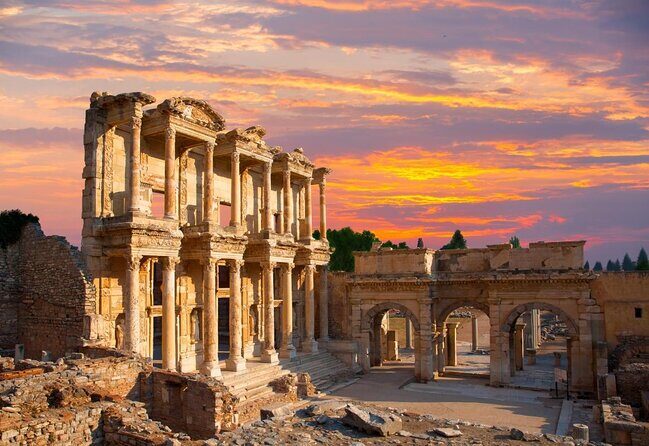
Ephesus feels huge, even in a half day. This tour works because it strings the big sights together on a guided downhill walk through the Roman ruins, starting at the Magnesia Gate and sweeping past landmarks like the Odeum and Celsus Library. I also like the human touch: the tour is led by a professional licensed guide, and the stops come with a clear history overview (you may even meet guides like Medi, Darae, or Pina). One thing to consider: entrance fees are not included, so you’ll want to budget extra once you’re there.
With pickup from the cruise ship port and many Kusadasi hotels, plus an air-conditioned van, the logistics are pretty painless. The group stays small (up to 15), which helps the pace feel manageable at site level, not bus-level chaos. The only catch with a 4-hour format: you’ll see highlights, not every corner of Ephesus, so if you’re the sort who wants to linger for an hour per monument, this might feel short.
In This Review
- Key things to know before you go
- Half-Day Ephesus: What Your 4 Hours Actually Covers
- Getting There From Kusadasi: Cruise Port Pickup and Comfortable Rides
- Entering Ephesus Through Magnesia Gate: The Best Way to Start
- Odeum, Celsus Library, Hadrian’s Temple and More: How the Walk Works
- Temple of Artemis in 45 Minutes: Timing the Seven-Wonders Stop
- Skip-the-Line Tickets and Licensed Guides: Where the Value Comes From
- Extra Stops for Carpets and Pottery: Worth It or Time Sink?
- What to Budget: Entrance Fees and Lunch-Planning Tips
- Group Size, Pace, and Crowd Control: When to Go
- Who This Tour Fits Best (and Who Might Want More Time)
- Should You Book This Half-Day Ephesus Tour from Kusadasi?
- FAQ
- How long is the Ancient City of Ephesus half-day tour?
- What sites will I visit during this tour?
- Are entrance fees included in the tour price?
- Is pickup included?
- What’s included in the tour?
- Is lunch included?
- What group size should I expect?
- What language is the tour guide?
- Do I get a mobile ticket?
- What is the cancellation policy?
Key things to know before you go
- Magnesia Gate start: You begin with a downhill route that naturally moves you through the most famous ruins without second-guessing.
- Skip-the-line ticket help: You get assistance to buy tickets fast, which matters when the crowds show up.
- Licensed, English-speaking guides: The narration is a big part of the value, and multiple guides (like Medi and Pina) are praised for explaining layers of Greek, Roman, and Turkish context.
- Two focused stops: Ephesus gets about 2 hours, then you switch gears to the Temple of Artemis for around 45 minutes.
- Small group size: Max 15 travelers keeps questions possible and the walk more flexible.
Half-Day Ephesus: What Your 4 Hours Actually Covers
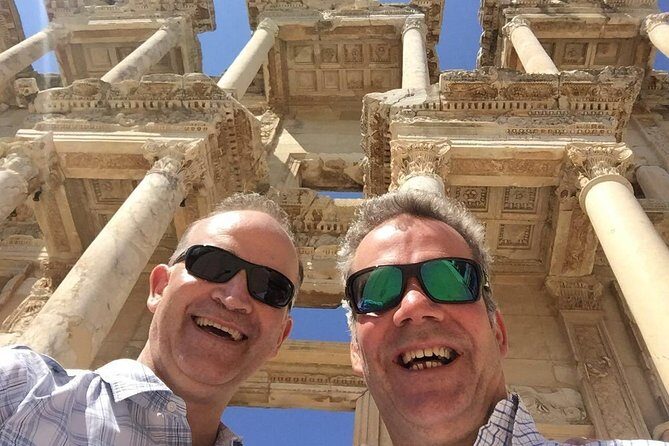
This is built for people who want the wow factor without losing the whole day. In roughly 4 hours, you get a guided route inside Ephesus plus a stop at the Temple of Artemis. The pacing is slow enough to follow what you’re seeing, but it’s still efficient. That balance is the point.
Ephesus alone can swallow time if you wander without a plan. Here, you get structure: you enter through the Magnesia Gate, and your guide leads you along a downhill path that strings together major monuments. You’ll spend about 2 hours on the ancient city grounds, which is enough to understand the layout and take in the headline stops without feeling like you’re racing.
Then you shift to Artemis for about 45 minutes. That short window is actually useful. It forces focus: you’re there to see the site connected to the Seven Wonders legend, not to treat it like a full museum visit. If you want more time at either stop, this format will leave you craving an upgrade—especially if Ephesus is on your must-see list in a big way.
You can also read our reviews of more city tours in Kusadasi
Getting There From Kusadasi: Cruise Port Pickup and Comfortable Rides
Kusadasi to Ephesus is straightforward, and this tour keeps that part easy. Pickup is offered from the Cruise Ship Port and from centrally located hotels in the Kusadasi area. That matters if you’re on a cruise schedule and don’t want to spend your morning figuring out buses or taxis.
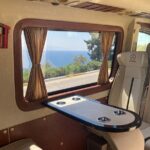
You travel by air-conditioned vehicle, which is a real comfort win in warm months and a nice bonus any time the sun is doing its thing. Also, the max group size is 15, so the van doesn’t turn into a crowded shuffle. The tour is offered in English, so you can follow the guide’s explanations without straining.
One more practical note: the tour includes a mobile ticket. That’s one less thing to juggle once you’re standing around waiting for the right moment to enter.
Entering Ephesus Through Magnesia Gate: The Best Way to Start
Starting at the Magnesia Gate is a smart move. It sets you up for that downhill walk that the route is built around. Translation: you’ll get an easier flow through the ruins because the path naturally carries you toward the major public spaces people usually want to see.
This matters more than it sounds. In Ephesus, if you start in the wrong spot, you can spend energy backtracking just to hit the key sights. With this route, you get a guided line through the highlights, which helps you get your bearings fast and enjoy the experience instead of working like your own tour guide.
Your guide also helps you connect the dots as you move. The ruins are impressive on their own, but what makes them click is the explanation: what you’re looking at, how the different structures relate, and what life in a Roman provincial capital would have felt like at street level. Multiple named guides in the tour feedback—like Medi and Darae—are specifically praised for historical context, not just reciting dates.
Odeum, Celsus Library, Hadrian’s Temple and More: How the Walk Works
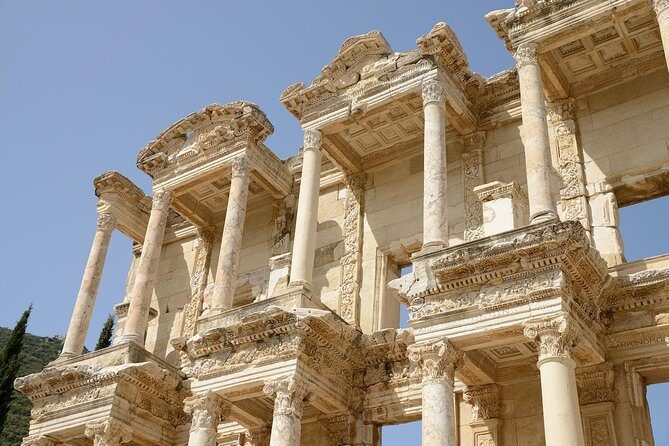
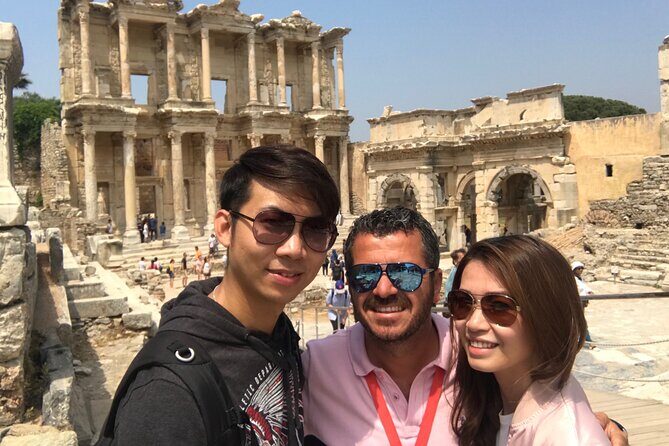
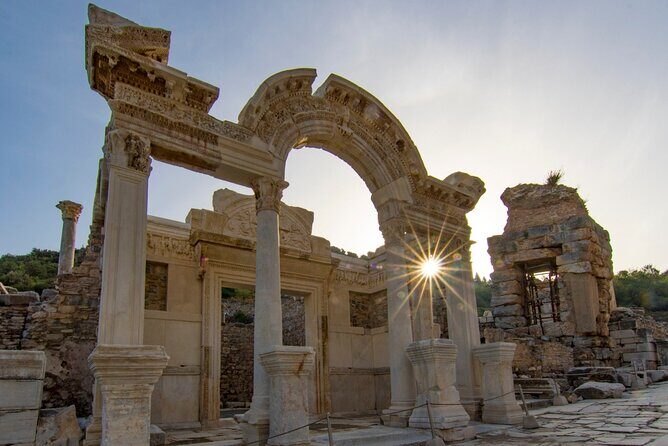
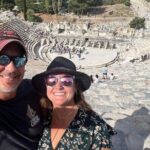
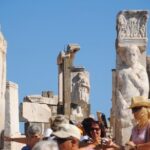
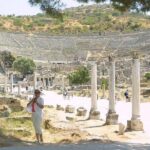
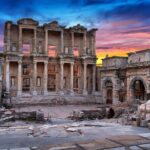
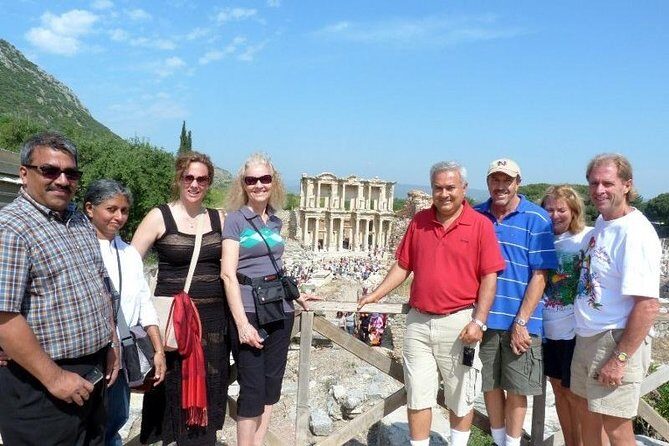
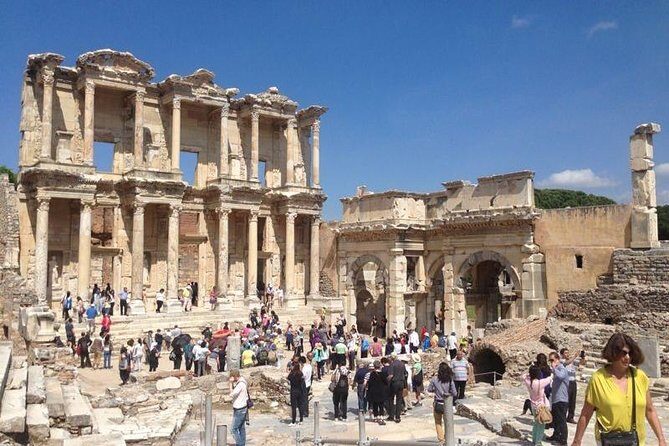
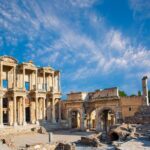
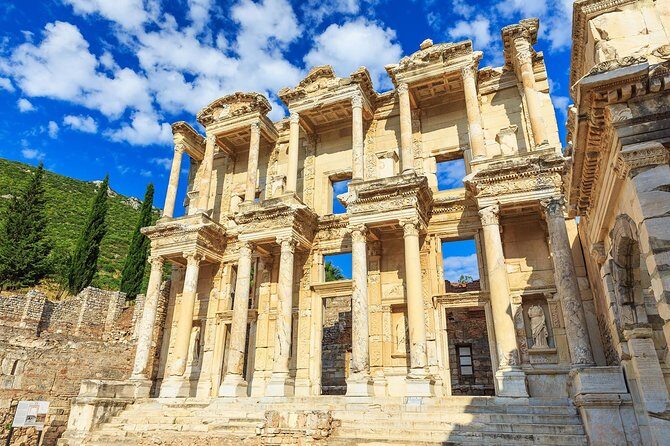
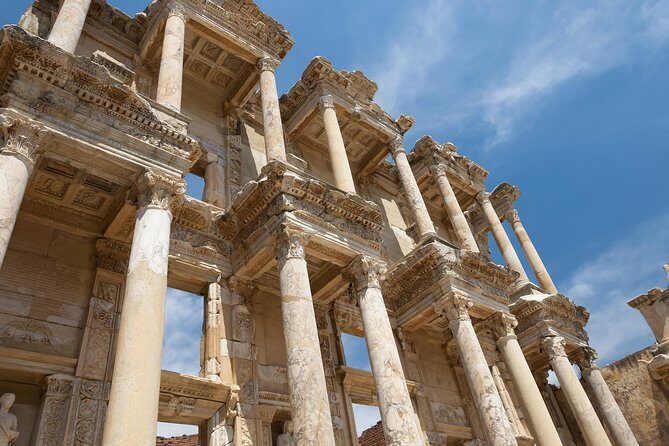
The Ephesus portion is where you’ll see the headline monuments in an organized sequence. As you walk, you pass several of the big names: the Odeum, the Celsus Library, the Temple of Hadrian, the Fountain of Trajan, and the Great Theater. These aren’t random stops. They’re the kind of structures that help you read the city.
Here’s what I like about this approach: you’re not stuck staring at one ruin for a long time with no context. Instead, you move through a chain of public spaces. That makes it easier to understand why these places mattered—especially the theater and civic buildings, which are designed for public gatherings.
Your guide’s job is to keep you oriented. You’re likely to get a quick overview of how the Greek and Roman layers fit together, plus the Turkish perspective on what you’re seeing today. In the tour feedback, guides such as Medi are mentioned for giving a clear overview of Greek, Roman, and Turkish history. That type of narration is exactly what helps the ruins feel real rather than just impressive stone.
The possible drawback: with only about 2 hours in Ephesus, some visitors may feel they want more time for slower wandering or photos. If you’re the type who likes to linger at every viewpoint, consider adding extra time elsewhere during your trip—or go for an all-day format if that option is available when you book.
Temple of Artemis in 45 Minutes: Timing the Seven-Wonders Stop
The Temple of Artemis gets about 45 minutes, and that’s a good length for a short, focused visit. Even if you’re coming mainly for the wow factor, this stop has value because the site is known as one of the Seven Wonders of the Antic World. That single fact gives the stop a built-in sense of importance.
What you do with those 45 minutes is mostly about attention. The Artemis stop isn’t a long stroll with a hundred rooms to explore. It’s more about getting perspective: where the temple sits, what remains of it, and why it’s remembered so strongly in history.
One detail that can help expectations: one tour experience feedback notes that only a pillar is still standing in the Temple of Artemis area, yet it still feels worth the trip. That tells you something useful—your visit isn’t about a fully intact temple. It’s about standing at a legendary location and letting the guide’s context connect the past to what’s visible now.


Skip-the-Line Tickets and Licensed Guides: Where the Value Comes From
This tour hits a sweet spot for value because it includes key “messy” parts. You get an air-conditioned vehicle, a professional licensed tour guide, and skip-the-line access to buy tickets. Admission fees themselves are not included, but the assistance reduces friction when you’re trying to get into sites during limited time.
Skip-the-line access is worth something in places like Ephesus. Even when you’re not in a massive rush, lines and timing can eat your day. Here, you’re trying to see two major stops, so saving time before you even enter is smart.
The guide component is the other half of the value. Ephesus ruins can look like a lot of similar stone until someone helps you understand what each monument is and where it sits in the city. In feedback from the tour, guides such as Medi, Darae, Pina, and others are praised for being easy to understand and for sharing thoughtful context. That means you’re not just paying for transportation—you’re paying for interpretation.
If you’re traveling with limited time, you’ll likely appreciate this more than if you have days to explore on your own. This tour is designed to maximize understanding per hour.
Extra Stops for Carpets and Pottery: Worth It or Time Sink?
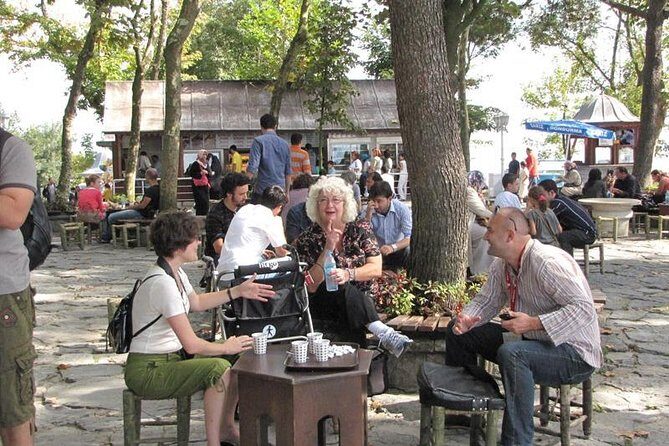
Some versions of this experience can include extra cultural stops tied to local crafts. You might be taken to a weaving farm, and you may also see Turkish pottery or carpet producers. In one tour feedback, a carpet stop included lunch at a Turkish carpet factory. Another detail: one experience praised that the stop did not involve high-pressure sales.
Here’s how to think about these stops. They can add a memorable, sensory break from stone ruins—especially if you enjoy seeing how crafts connect to daily life. They also give you a chance to shop if you’re looking for carpets or pottery, but the key for your enjoyment is whether the timing still feels comfortable.
Because the tour’s core promise is Ephesus plus Artemis, I suggest you treat craft stops as an extra bonus, not the main event. If you hate shopping pressure or you’re short on time, you can still enjoy the viewing part without committing to any purchases. If shopping doesn’t appeal to you, focus on the demonstrations and the materials rather than the sales pitch.
What to Budget: Entrance Fees and Lunch-Planning Tips
The biggest planning item is simple: entrance fees to the museums and sites are not included, and lunch is not included. So that $39 price is only part of your total day cost.
I like tours like this because they’re transparent. You know you’ll pay separately at the sites, and the skip-the-line access is there to help you handle that quickly. Still, you’ll want to arrive ready to pay entry fees without scrambling for money.
For lunch, you have two practical choices. Either eat on your own before the tour or after, or plan for the fact that lunch isn’t included in the tour price. In some schedules, a craft stop may include a Turkish carpet factory lunch. Since lunch inclusion can vary by flow, I’d plan as if you’ll need lunch money either way.
Also consider what season you’re going. One feedback mentioned January weather being perfect and the sites being less crowded, with fewer people around. That kind of timing can stretch your experience because you spend less time waiting and more time looking.
Group Size, Pace, and Crowd Control: When to Go
A max group size of 15 is one of the quieter strengths here. Small groups are easier to manage, and they reduce the feeling of getting swept along. In a ruin like Ephesus, that flexibility matters because you’ll want to pause for photos or step back to take in a view.
Pace is steady. You’re walking a slow downhill route, which generally feels easier than a steep uphill climb. Still, you’ll want comfy shoes because you’ll be on uneven stone and steps.
Crowd levels depend on season. If you travel in a quieter month like January, you may find the ruins feel calmer and you can almost have space to breathe. If you go in peak season, you’ll still benefit from the guided flow and the skip-the-line ticket assistance, but you should expect more people in the big-photo zones like the Celsus area and theater area.
Who This Tour Fits Best (and Who Might Want More Time)
This is a good match if you want a structured introduction to Ephesus and you’re short on time. It’s especially practical for cruise passengers thanks to the cruise port pickup.
You’ll probably like it if:
- Ephesus is on your list but you don’t want the stress of self-guided navigation
- You prefer a clear route that passes key landmarks like the Odeum, Celsus Library, and Great Theater
- You value a guide’s explanation of how Greek and Roman elements connect, plus the Turkish viewpoint today
- You want a second stop that isn’t just more walking inside the same ruins, which is exactly what Artemis provides
You might want a longer option if:
- You dream about slow wandering and deep photo time at one monument
- You feel you need more than 2 hours inside Ephesus to truly enjoy it
- You’re hoping for a wider spread of additional sites beyond the two included stops
There’s also a hint from tour feedback: people who have time may consider an all-day option for more coverage. If your schedule allows it, that’s the natural upgrade.
Should You Book This Half-Day Ephesus Tour from Kusadasi?
Yes, I’d book it if you want maximum payoff per hour. The combination of pickup convenience, air-conditioned comfort, a professional licensed guide, and skip-the-line ticket help makes the day feel smoother than doing everything solo. The route through Ephesus is also sensible: start at Magnesia Gate, move downhill, and hit the monuments most visitors come for.
Just go in with the right expectations. Entrance fees and lunch cost extra. And because the time inside Ephesus is limited, you’re getting a highlight-focused experience, not total coverage.
If you want a focused, well-run half day with a guide who brings the ruins into context, this is a strong choice for Kusadasi.
FAQ
How long is the Ancient City of Ephesus half-day tour?
The tour lasts about 4 hours.
What sites will I visit during this tour?
You’ll visit the Ancient City of Ephesus and the Temple of Artemis.
Are entrance fees included in the tour price?
No. Entrance fees to the museums and sites are not included, and admission tickets are not included for the stops.
Is pickup included?
Yes. Pickup is offered from the Cruise Ship Port and from centrally located hotels in the Kusadasi area.
What’s included in the tour?
Included are an air-conditioned vehicle, skip-the-line access to buy tickets, and a professional licensed tour guide.
Is lunch included?
No. Lunch is not included.
What group size should I expect?
The tour has a maximum of 15 travelers.
What language is the tour guide?
The tour is offered in English.
Do I get a mobile ticket?
Yes. A mobile ticket is included.
What is the cancellation policy?
You can cancel for a full refund up to 24 hours in advance of the experience start time. If you cancel less than 24 hours before, the amount you paid will not be refunded.