Ephesus in one port day beats guessing. This Kusadasi tour links a smooth port pickup with skip-the-line tickets and a focused walk through Ephesus’ top sights. I like the built-in structure (you’re not wandering for hours), and I like that the guide stays with you where it counts. One thing to consider: it’s timed for a shore stop, so you’re moving at a cruise-friendly pace and there’s no meal stop.
The route covers the big names—Celsus Library, the Grand Theater, and the nearby reminders of Roman-era life—then ends at the Artemis Temple site. You also get a quick look over Kusadasi from Gazi Begendi Park before you’re dropped back at the port or town center. If you want slow strolling and extra museum time, you might find this too short.
The bottom line: no hidden costs in the price, with entrance fees handled and a licensed English guide leading the visit. You’ll have a mobile ticket and a clear port meeting setup with a name sign.
In This Review
- Key highlights worth your attention
- Port pickup that actually works: Kusadasi meeting and drive to Ephesus
- Entering ancient Ephesus: the 2-hour walk of the main monuments
- Artemis Temple and the Kusadasi viewpoint: end-of-day timing that doesn’t drag
- Price and logistics that feel fair: what your $99 actually covers
- A small-group experience with a real guide in the sites
- What to expect physically and how to pace yourself
- Who this tour suits best (and who should consider another option)
- Should you book this Ephesus and Artemis tour from Kusadasi?
- FAQ
- Where does the tour meet you in Kusadasi?
- What time does the tour start?
- How long is the Ephesus and Artemis tour?
- Is the tour guided in English?
- Does the price include entrance fees?
- What is the cancellation policy?
Key highlights worth your attention
- Port-to-site timing: a short drive to Ephesus and a return that’s built around getting you back on time
- Skip-line handling: the guide arrives with pre-paid tickets to cut waiting
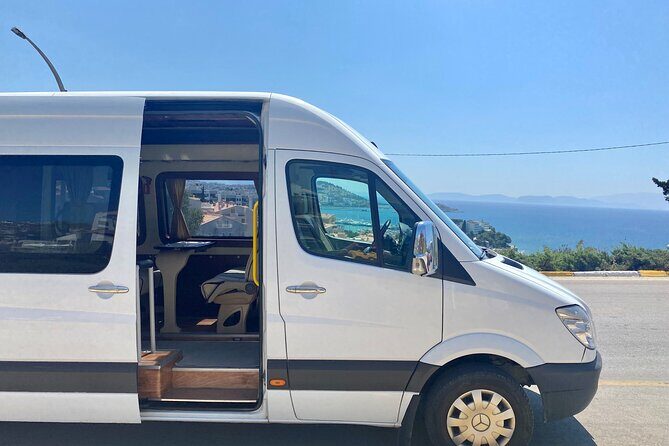
- A/C private transport: comfortable ride for a hot coastal day
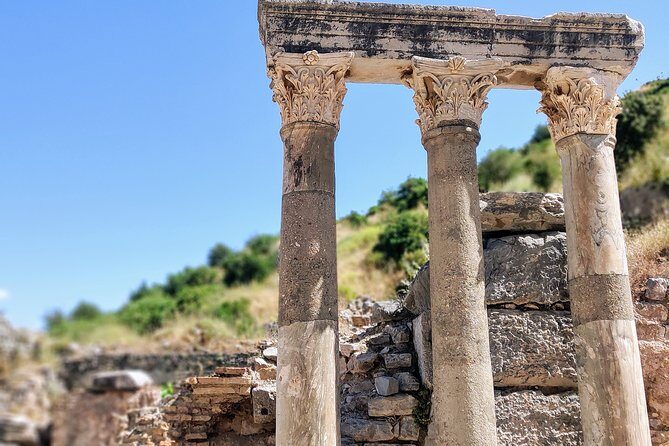
- Prime Ephesus hits: State Agora, Celsus Library, Hadrian Temple, Grand Theater area
- Artemis Temple plus views: a quick stop at the Artemis site and a look from Gazi Begendi Park
- Small group size: capped at 15, with at least one group reported at six people
Port pickup that actually works: Kusadasi meeting and drive to Ephesus
This tour is designed for a port schedule, which is exactly what you want when you’re trying to beat crowds and time waste. Your guide meets you at Ege Ports Camikebir in Kusadasi with a sign showing your name, and the meeting time is emailed within 24 hours after booking based on your ship’s arrival time.
From there, you get about a 20-minute drive to Ephesus in an A/C vehicle. That matters because Ephesus is spread out on uneven terrain, and being dropped at the wrong place or arriving too late can turn a great plan into a scramble.
A small but helpful touch: the tour notes that your guide handles the day from arrival to departure, not just “walk to the gate and good luck.” You’ll have someone there to keep things on track.
You can also read our reviews of more private tours in Kusadasi
Entering ancient Ephesus: the 2-hour walk of the main monuments
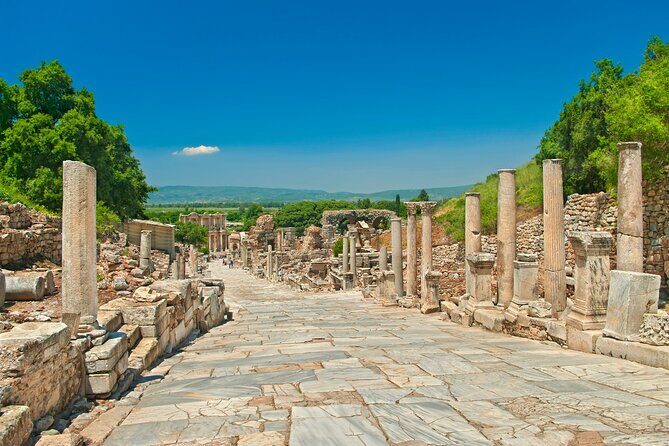
Ephesus is one of the great “walk through time” cities on Turkey’s Aegean coast. It was a major port city and trade crossroads, part of the Ionian Greek world, with plenty of public buildings that show how civic life worked—religion, entertainment, politics, baths, and commerce all in one compact story.
You’ll start the main sightseeing at Ephesus with guided time that totals about 2 hours. That length is a sweet spot for most shore travelers: long enough to see the headline monuments, short enough to keep you from running out of port time.
Here’s what you can expect to cover, and why it’s worth your attention:
State Agora and public civic life
You’ll walk through areas tied to government and civic activity, including the State Agora. Even if you’re not a “details person,” the guided context helps you understand what you’re looking at: these weren’t decorative buildings; they were the stage for city life.
Odeon and monuments in the walking route
You’ll see the Odeon, plus stops around key markers like the Memnius Monument. These elements help you connect the street-level experience (marble streets, street flow) with what the Romans and Greeks used these spaces for.
Curetes Street and fountains that define the city
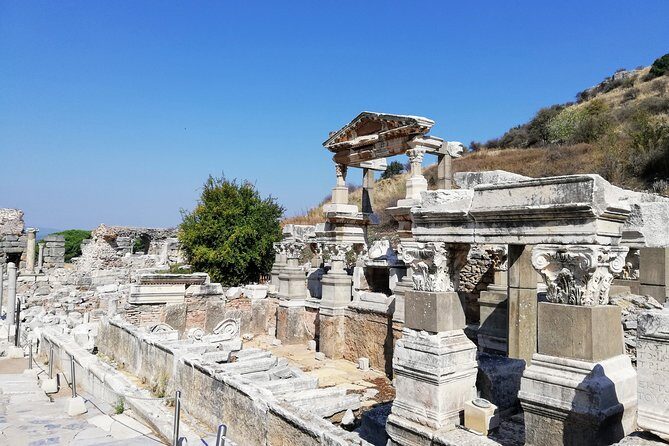
The route includes Curetes Street, along with major water and ceremonial points such as the Polio Fountain and the Trajan Fountain. Water mattered in a big way—not only for daily life, but because grand cities liked to show they could manage resources.
Temple of Domitian and the Roman imprint
The Temple of Domitian represents how Roman authority left visible marks. You’ll start noticing the mix: Greek foundations and Roman additions, all showing layers rather than one single “perfect” era.
The Grand Theater: built earlier, expanded later
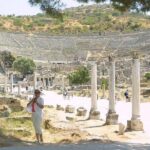
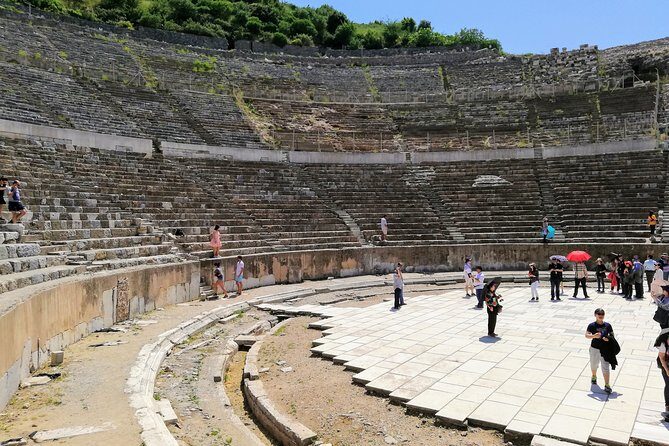
One of the most memorable stops is the Grand Theater. It was built in the 3rd century B.C and later expanded by Romans for up to 24,000 spectators. If you’re trying to picture what performances or public events looked like, this is the part where the scale hits you fastest.
Celsus Library: the Ephesus photo spot with real context
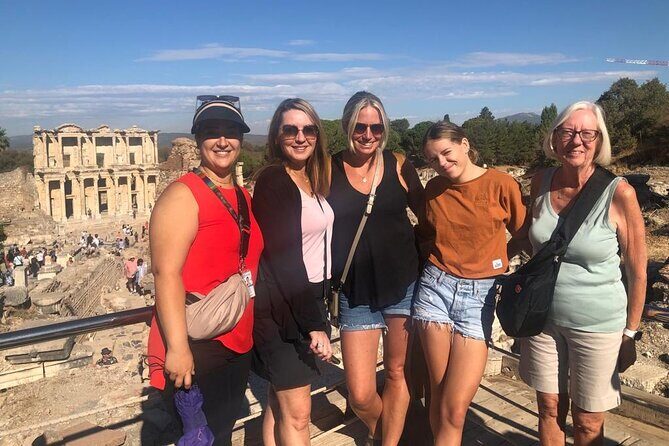
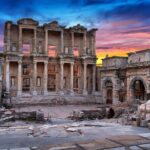
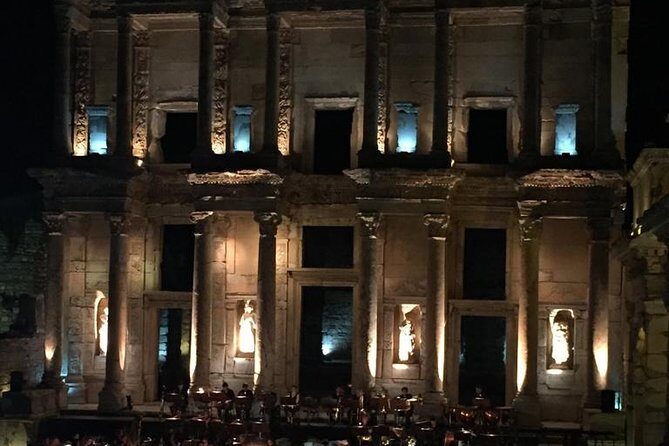
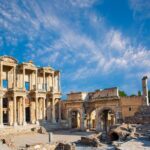
The Celsus Library is a standout because it’s visually dramatic, but it’s also one of the best sites for understanding Ephesus as an intellectual and administrative hub—not just a collection of ruins. The guided stop helps you connect the façade and layout to the city’s status.
Hadrian Temple, Latrina, and the practical sides of life
You’ll also pass the Hadrian Temple and Latrina, which is a reminder that daily life at Ephesus included rituals and public utilities. This is a useful counterbalance if your brain initially thinks “ancient people only did big speeches and wars.”
Commercial Agora and city movement
The Commercial Agora rounds out the story. It’s where the city’s economic heartbeat makes more sense, especially after you’ve already walked through civic, entertainment, and religious zones.
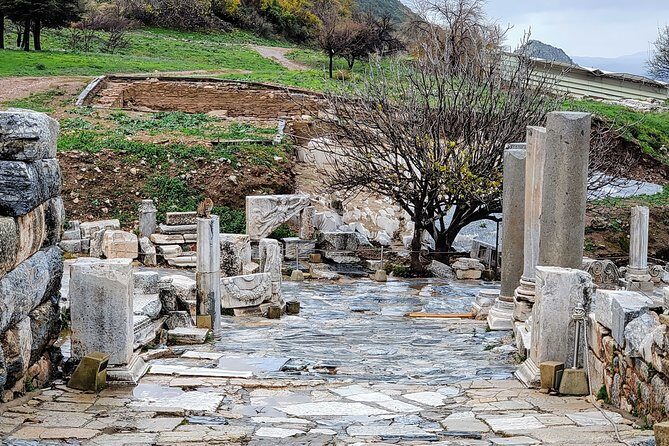
One possible drawback of the Ephesus plan: because it hits the major highlights in a tight window, you’ll have less time for slow wandering and optional side detours. If you want to read every carved detail or linger for long views, you may need a separate visit day.
Artemis Temple and the Kusadasi viewpoint: end-of-day timing that doesn’t drag
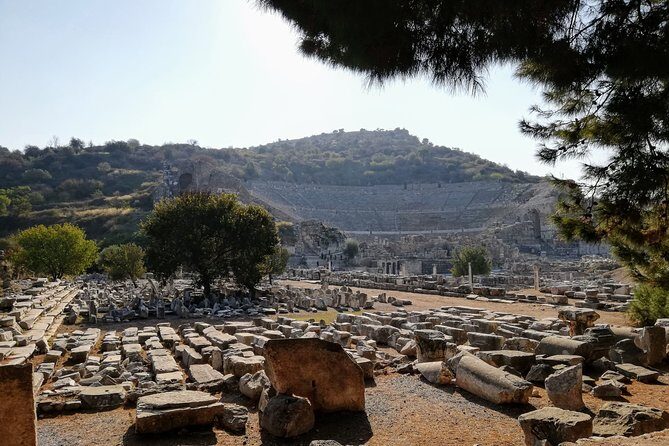
After Ephesus, you head to the Temple of Artemis area, the last cultural stop before you return. The tour notes that Artemis’ temple used to be one of the seven wonders of the ancient world, so even though what you see today is more about the remnants, the context still lands.
This stop is short—about 20 minutes—which is intentional. It keeps the day moving and helps protect your return schedule. If Artemis is your main reason for booking, I’d suggest coming ready for a quick, meaningful overview rather than an extended, deep architectural study.
Before you head back to town or the port, you drive through Gazi Begendi Park. This is where you get one of the best perspectives over Kusadasi, including the town, the marina, and the port. It’s the kind of stop that feels small but helps you orient yourself—especially if you’ve only seen Kusadasi from your ship.
At the end, you’re dropped off either at Kusadasi port or Kusadasi town center, depending on what your day needs. That flexibility is handy if you’re planning to browse markets or grab a quick meal before reboarding.
Price and logistics that feel fair: what your $99 actually covers
At $99 per person for about 4 to 5 hours, the value comes from what’s handled for you, not just the headline monuments. The tour explicitly includes entrance fees, with the guide bringing pre-paid tickets to skip lines. It also includes private A/C transportation, parking, local taxes, and the guarantee of an on-time return to port.
That last part matters more than most people think. In a port day, the risk isn’t just missing sights—it’s missing the ship. This tour is built to minimize that, and it’s why I think it’s priced the way it is.
Here’s what’s included in plain terms:
- Entrance fees with pre-paid, line-skipping handling by the guide
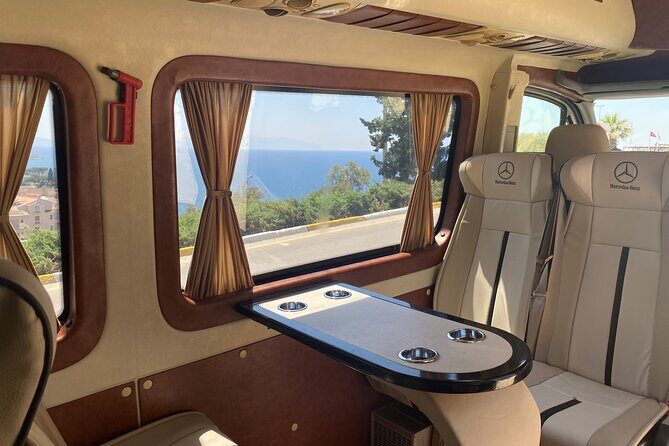
- Private transportation in an A/C vehicle
- Parking fees and local taxes
- Pickup and drop-off tied to your ship arrival timing
- Guaranteed on-time return to port
- English-speaking guide and a mobile ticket
And what’s not included:
- Meals (not mentioned in the itinerary)
- Tips (always optional, but not included)
- Optional services if you choose to add extras on your own
No hidden fees is repeated for a reason: in shore excursions, “cheap” can get expensive fast once you add entry lines, guide handling, or transport add-ons. Here, the tour aims to keep that clean.
A small-group experience with a real guide in the sites
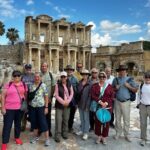
This isn’t a bus-and-blob situation. The group limit is up to 15 travelers, and that smaller number tends to make the tour feel more human.
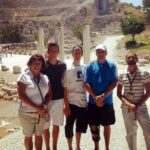
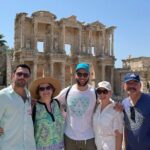
One review specifically highlighted a group of six people and credited the guide (named Inaur in the review) for being especially informative across the sites. I can’t promise your group size will match that exact number every day, but the cap at 15 plus the private A/C transport usually means fewer “stand in a crowd and guess” moments.
Your guide is with you:
- from port arrival to departure
- in the sites (not just at the curb)
- helping you move through the big photo stops while keeping the story straight
That guide presence is what makes the difference in a place like Ephesus. Without someone pointing out what to look for, you might recognize Celsus and the theater and still feel like the rest is a blur. With a guide, you start connecting the streets and buildings into one coherent city.


What to expect physically and how to pace yourself
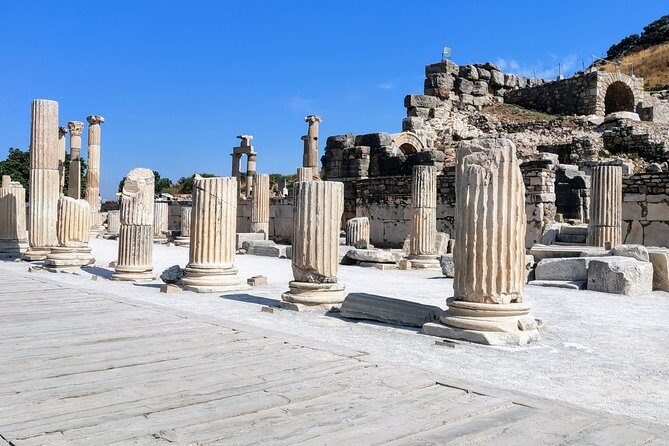
This experience is listed for travelers with moderate physical fitness. Ephesus includes outdoor walking on uneven ancient surfaces, and you’ll spend time outdoors across the day.
You’ll likely want to plan for:
- comfortable walking shoes (not slick soles)
- water and sun protection, since it’s a coastal itinerary
- a “move with the group” mindset for the port schedule
Also note the practical time structure: you’re allocated 15 minutes for Kusadasi port time before the drive, 2 hours for Ephesus, 20 minutes for Artemis, then driving and viewpoint time back. That’s a full day by shore-tour standards, but it’s not designed for slow browsing.
If you’re traveling with someone who needs frequent breaks, I’d be ready to keep the pace flexible and ask the guide how they can help you slow down without risking the return.
Who this tour suits best (and who should consider another option)
I’d book this if you want:
- the main Ephesus highlights without spending a full day on your own
- a ship-friendly return with clear pickup and drop-off
- an English guide who stays with you through the sites
- the comfort of private A/C transport
- a straightforward price with entrance fees included
You might want a different format if:
- you’re the type who likes to linger for long at each monument
- you’re hoping for a meal stop or shopping time built into the route
- you want more Artemis Temple-focused time than about 20 minutes
One nice bonus for independent travelers: the tour ends with a drop at either the port or town center, so you’re not locked into staying in the same area.
Should you book this Ephesus and Artemis tour from Kusadasi?
Yes, if your goal is to make the most of a port day with major sights, guided context, and no line anxiety. The pricing feels more honest than many shore excursions because it clearly includes the big cost drivers—entrance fees, the guide, and transport—and it emphasizes the on-time return you care about most.
Book it if you can walk moderately and you want a structured highlights tour with a clear finish. If you’re chasing a slow archaeology day or you already know Ephesus well and want total freedom, you may prefer a longer self-guided plan.
FAQ
Where does the tour meet you in Kusadasi?
Your guide meets you at Ege PortsCamikebir, Liman Cd. No:10, 09400 Kuşadası/Aydın, Türkiye with a sign showing your name.
What time does the tour start?
The meeting time is emailed within 24 hours after reservation, based on your ship’s arrival time.
How long is the Ephesus and Artemis tour?
It runs about 4 to 5 hours.
Is the tour guided in English?
Yes, the tour is offered in English.
Does the price include entrance fees?
Yes. Entrance fees are included, and the guide brings pre-paid tickets to skip lines.
What is the cancellation policy?
You can cancel for a full refund if you cancel at least 24 hours before the start time. Free cancellation is available up to that cutoff, based on local time.