REVIEW · KUSADASI
Ephesus, Priene, Miletos and Didyma Tour
Book on GetYourGuide →Operated by OKEANOS TRAVEL · Bookable on GetYourGuide
A day that feels like four different time machines. This Ephesus, Priene, Miletos & Didyma tour is one of the fastest ways to see Ionian, Roman, and oracle legends without playing logistics roulette. I like that it covers the big-name highlights like Ephesus’ Marble Street and Great Theatre, yet still gives real time to places most people rush past. I also love the all-in approach: entrance fees and a licensed guide are part of the deal. One thing to consider: it’s an 8-hour, lots-of-walking circuit, so if you’re hoping for a slow stroll with lots of sitting breaks, this may feel like work.
You’ll start from Kusadasi port and move in a comfortable, air-conditioned vehicle with a professional driver. The plan hits four sites in a logical order, ending at Didyma, the sanctuary famous for Apollo’s prophecies. Plus, the guide’s stories connect the geography to the people—emperors, philosophers, pilgrims—so the ruins feel like more than piles of stone.
Before you go, pack the basics: passport or ID, comfortable shoes, sunglasses, and a sun hat (camera helps too). Also note the tour isn’t suitable for wheelchair users.
In This Review
- Key highlights worth waking up for
- Aegean antiquity, efficiently: how the 4-city plan works
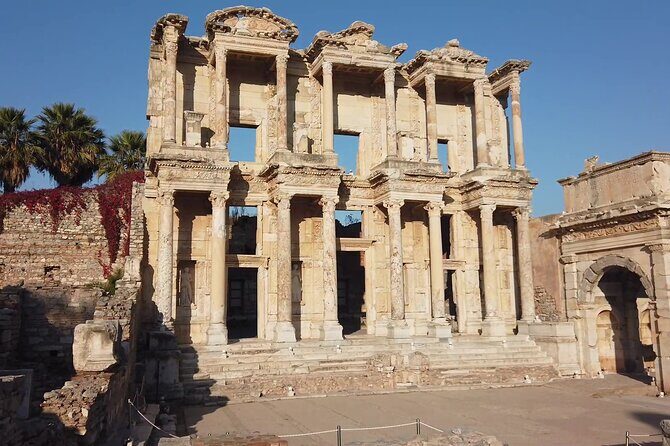
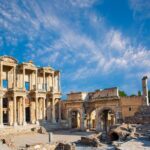
- Entering Ephesus: Marble Street, Cleopatra footsteps, and the Great Theatre
- Terrace Houses upgrade: worth it if mosaics matter to you
- Priene’s grid plan: Athena’s temple and the theatre view over the delta
- Miletos: philosophers, Faustina’s baths, and the Agora by the sea
- Didyma’s oracle sanctuary: Apollo’s temple and the Sacred Way
- The guide, the pace, and why it matters more than you think
- Price and value: is $210 a fair deal for four sites?
- Who should book this tour (and who should skip it)
- Should you book the Ephesus, Priene, Miletos & Didyma Tour?
- FAQ
- How long is the tour?
- Where does the tour start and end?
- Which ancient sites are included in the tour?
- Are entrance fees included?
- Is skip-the-line access included?
- What kind of transportation is used?
- What languages are available for the guide?
- Is the tour wheelchair accessible?
- What should I bring for the day?
- Is there free cancellation or flexible payment?
Key highlights worth waking up for
- Skip-the-line access and all entrance fees included for Ephesus, Priene, Miletos, and Didyma
- A focused 4-city route that goes beyond Ephesus in the same day
- Myth and prophecy stories at Priene, Miletos, and Didyma—less lecturing, more “why this mattered”
- Optional premium upgrade at Ephesus for the Terrace Houses (if you want extra detail)
- Guide flexibility noted in real experiences, including chances to have some spots feel quieter
- A professional driver pairing comfort with a solid pace for an 8-hour day
Aegean antiquity, efficiently: how the 4-city plan works
The biggest selling point here is simple: you’re getting a full-day arc across the Aegean’s ancient power centers. Ephesus is the Roman superstar. Priene and Miletos show the earlier Ionian brainpower and maritime influence. Didyma brings you into the world of sacred prophecy.
Why that matters for you: if you only do Ephesus, you leave with a great highlight—but you miss how the region actually connected. This tour builds that picture for a time-limited trip. Instead of spending your day figuring out routes, ticket lines, and pacing, you can spend your energy on reading ruins like a story.
The “luxury transport” part isn’t just marketing. When you’re doing four sites, the ride time adds up. Having an air-conditioned vehicle with a professional driver helps you arrive less tired, ready to look closely, and able to enjoy the transitions—especially in warmer months.
You can also read our reviews of more tours and experiences in Kusadasi.
Entering Ephesus: Marble Street, Cleopatra footsteps, and the Great Theatre
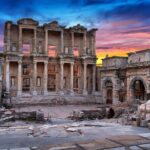
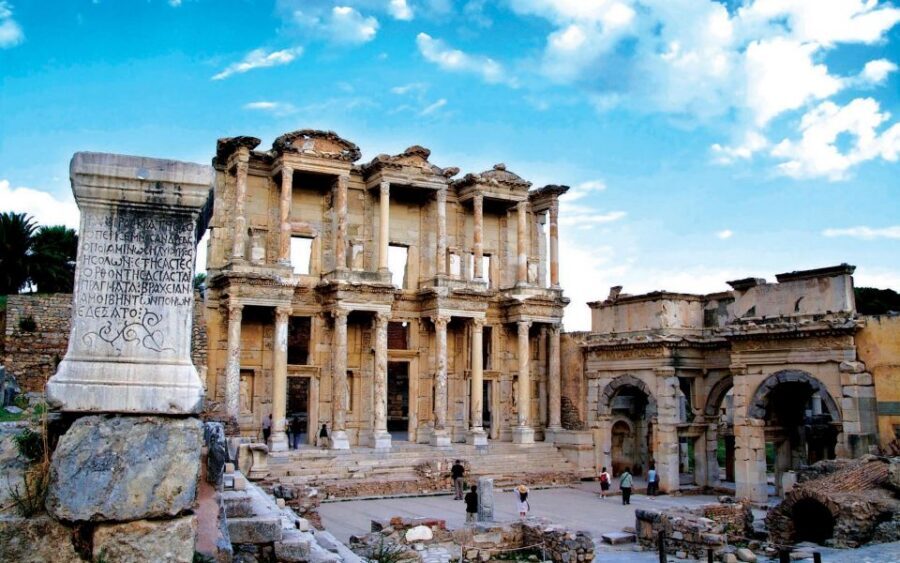
Ephesus is why most people come to the area, and this tour doesn’t waste your time getting to the heart of it. You’ll walk the Marble Street, known for being trodden in legend by Cleopatra and visited by St. Paul. Even when you’ve heard the names before, seeing how the street fits into the city layout makes it feel real—like you’re walking through Roman urban planning, not just sightseeing.
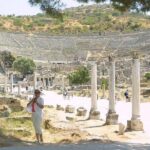
Next comes the Great Theatre, with seating for about 24,000 citizens. What I like is that it’s explained as more than entertainment. It’s tied to political assemblies and big public events, so you understand why the Romans built a stage with that kind of capacity.
Then there’s a fun, specific detail that’s easy to remember: look for the carved footprint and heart sometimes described as the world’s oldest advertisement, tied to an ancient brothel. That kind of human clue breaks the “everything is solemn” feeling. Ephesus had everyday life happening right next to empire-scale monuments.
Terrace Houses upgrade: worth it if mosaics matter to you
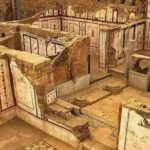
At Ephesus, you may be offered an optional premium upgrade to see the Terrace Houses—elite “penthouses” with mosaics and frescoes. If you’re the type who loves seeing how wealth lived day to day, it’s an excellent add-on. If you’d rather keep things moving and focus on major monuments, you can skip it and still leave with plenty.
Priene’s grid plan: Athena’s temple and the theatre view over the delta
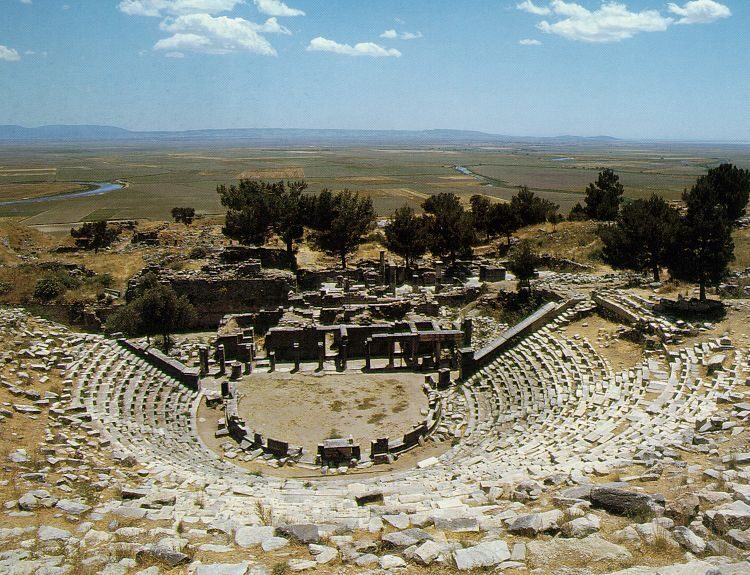
After Ephesus, you shift from a famous Roman metropolis to a hillside city planned like a blueprint. Priene is quieter on the ground in a way that helps you think. You’ll ascend to the ruins and learn how this city was built on a grid plan so well designed it influenced later city thinking.
The star stop is the Temple of Athena Polias, highlighted as an example of Ionian architecture. The big idea here isn’t just that the temple exists. It’s that Priene’s planning and religious layout show how the Greeks connected daily life to civic identity.
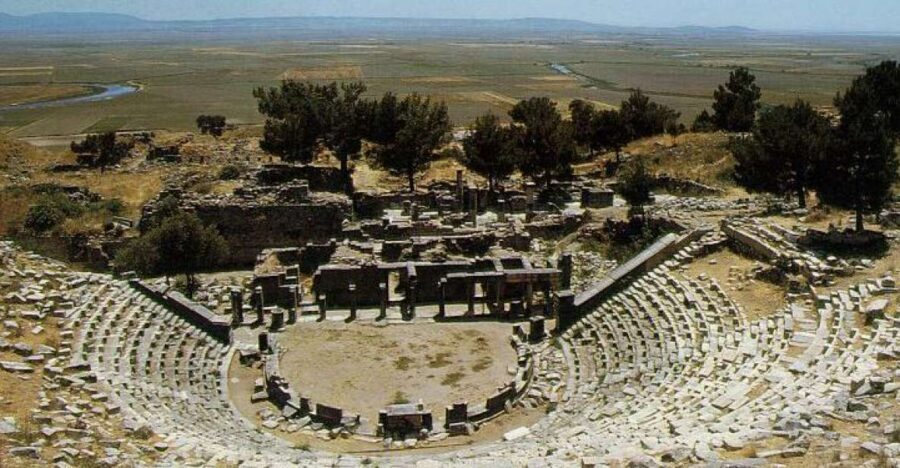
One of the best practical parts of Priene is the view. From the theatre, you get a panoramic line over the Meander River delta. That view is not only pretty—it explains why cities chose certain locations. From up here, you can see why trade routes and river access mattered.
And because this tour connects Priene to myth and story, you’re not walking through empty walls. You’re hearing why people believed their place in the world mattered—politically, spiritually, and socially.
Miletos: philosophers, Faustina’s baths, and the Agora by the sea
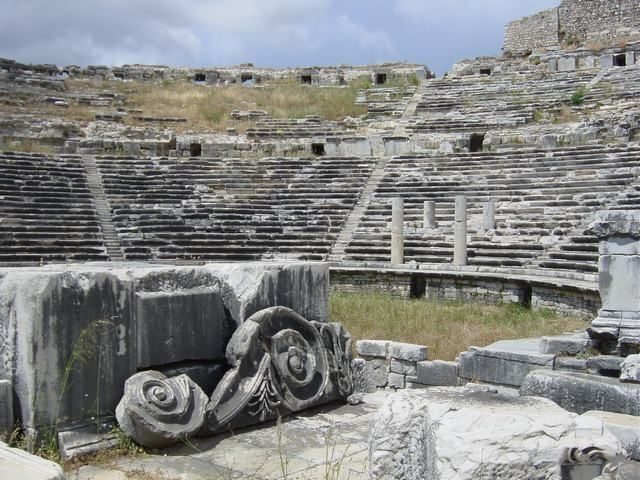
Miletos feels like the region’s intellectual and commercial engine. This was a powerful maritime hub, and it’s also tied to early philosophy—names like Thales and Anaximander often come up when the guide explains why people here were thinking about nature, knowledge, and the cosmos.
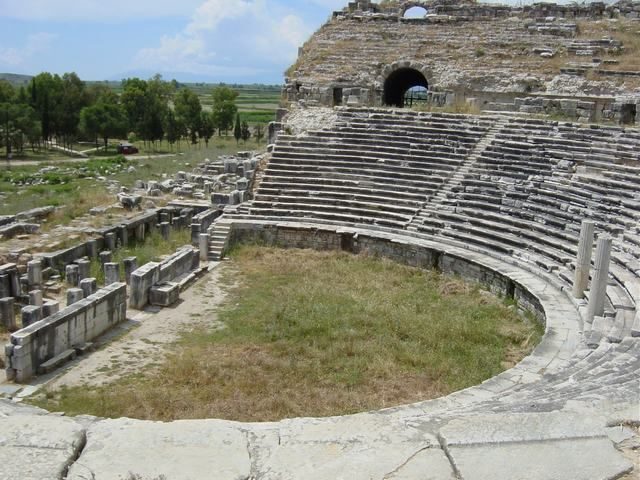
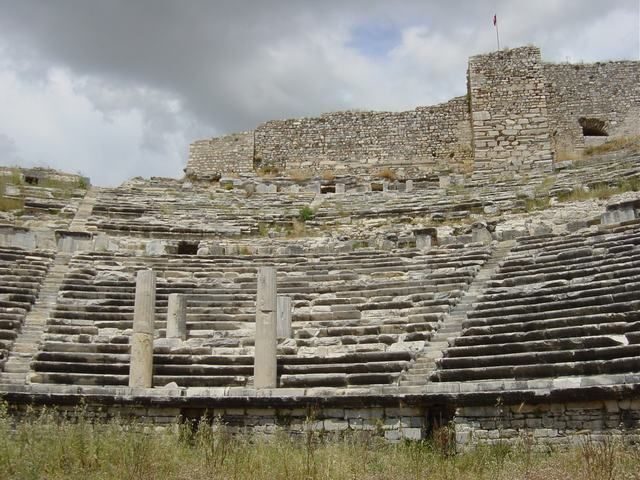
You’ll see a large theatre (around 15,000 seats), and the scale helps you understand Miletos’ former wealth. It wasn’t a sleepy village. It was a place with enough power to gather huge crowds and sustain public life.
Then you’ll walk through the Baths of Faustina, built by the wife of Emperor Marcus Aurelius. Baths in the ancient world were social centers. Seeing them intact enough to grasp the design helps you picture daily routines—gossip, politics, and public interaction happening alongside sanitation.
The Agora is another key stop. It’s described as one of the largest marketplaces of the ancient world, and standing there makes sense of the idea that ships brought goods from across the Mediterranean. Even though it’s silent now, the layout shows where movement and exchange used to happen.
If you’re the kind of person who likes learning how ideas and trade travel together, Miletos is a payoff.


Didyma’s oracle sanctuary: Apollo’s temple and the Sacred Way
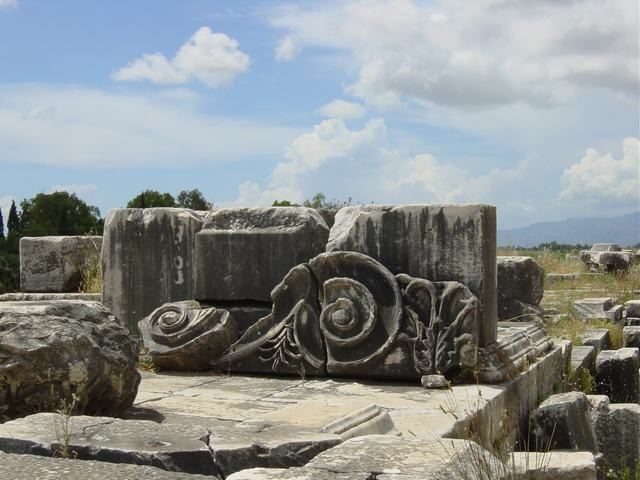
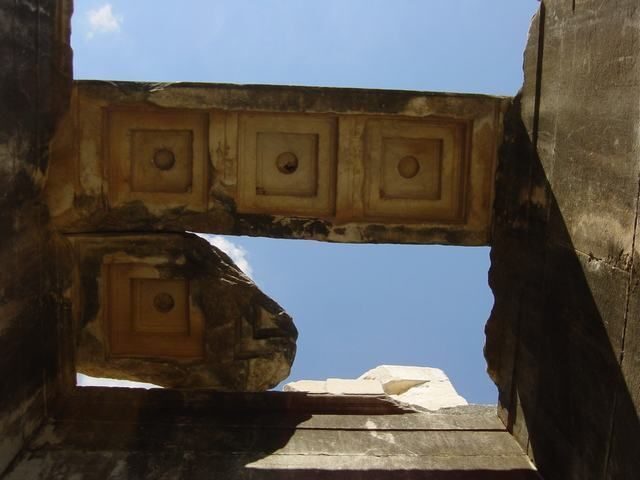
The last stop is Didyma, and it shifts the mood from city life to prophecy. This isn’t really a city stop—it’s a sanctuary of cosmic scale. The main event is the Temple of Apollo, known as one of the largest and most enigmatic temples in the Hellenic world.
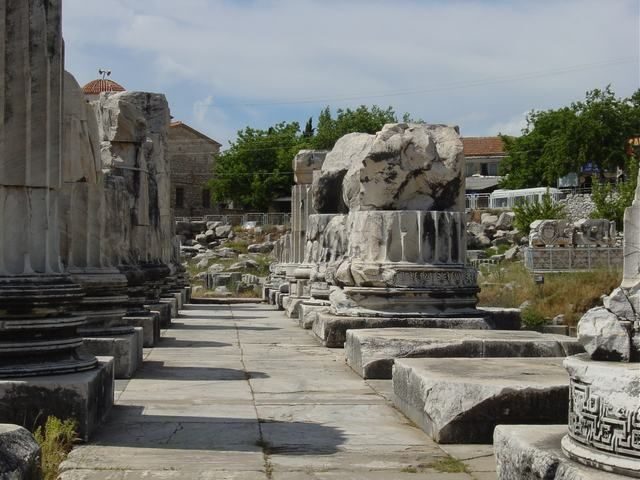
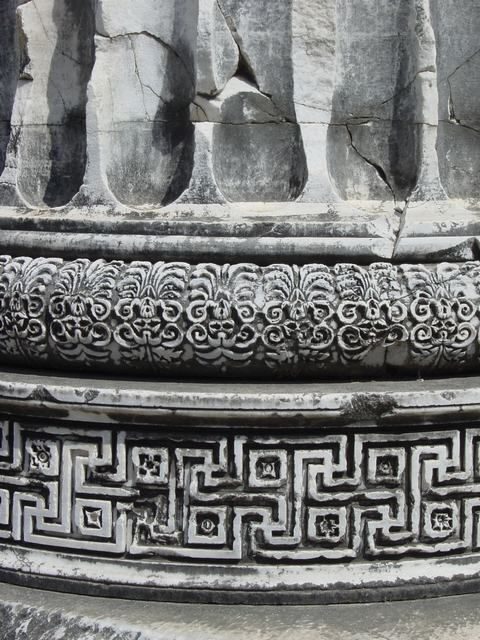
What you’re looking at is partly “ruin,” partly “a structure that refuses to shrink.” Three towering, intricately fluted columns still stand, and that’s what makes the place hauntingly beautiful. Even without the full walls, the scale is enough to feel the ambition behind the building.
Didyma’s oracle is described as rivaling Delphi, so your guide will likely frame the journey as something that could alter fate. You’ll also walk along the Sacred Way, a path tied to pilgrims seeking prophecies that could affect kings and empires.
Why this matters for your day: Ephesus and the Ionian cities show how power was built on people and systems. Didyma reminds you that power was also believed to come from the divine—through interpretation, ritual, and counsel.
The guide, the pace, and why it matters more than you think
This is a guided tour with a licensed professional guide, and the languages you might hear include English, German, French, and Dutch at the licensed-guide level. The live guide language list also includes Spanish, Italian, Greek, Russian, plus English and others, so if you’re traveling with a specific language need, it’s worth checking availability.
The guide names that come up in actual experiences include Volkan and Olkan (Guife), and the driver name Mohammed appears too. I like that you’re not stuck with a script. Some experiences highlight guide flexibility and helpfulness, including the ability to answer questions and adjust time to the group’s needs. That’s a big deal in a day like this, where ruins can be crowded or lighting changes fast.
There’s also a practical advantage: some experiences note getting situations where certain sites felt quieter, which can make a world of difference for photos and pacing. You still get a lot of stops, but you’re not just herded from one landmark to another.
If you care about the “meaning” behind each stop, this kind of guiding is where the time goes. Otherwise, you’d be left reading plaques and hoping the story sticks.
Price and value: is $210 a fair deal for four sites?
At $210 per person for about 8 hours, this pricing works out best when you value time and context.
Here’s the value logic:
- You’re paying for a full-day guide plus a professional driver, not just a vehicle.
- Entrance fees for all four sites are included.
- The tour includes skip-the-line access, which can help a lot when timing matters.
- You get Ephesus plus three major stops that many half-day plans skip or shorten.
If you’ve ever added up tickets, then added the cost of time spent figuring out how to link sites yourself, this kind of all-in structure often wins—even if you’re a confident planner. The tour reduces friction. That’s the real luxury: less hassle, more coherent learning.
Who should book this tour (and who should skip it)
This tour is a strong fit if you:
- Want four major ancient stops in a single day from Kusadasi
- Like stories about myth, prophecy, and historical characters
- Enjoy architecture, theatres, baths, marketplaces, and urban planning
- Prefer a guided day with entrance fees handled for you
You might want to choose something slower if you:
- Need lots of seated time and very short walks
- Have mobility limits that make an 8-hour site day hard
- Are hoping for a flexible stop-and-stay-long day at just one place
Should you book the Ephesus, Priene, Miletos & Didyma Tour?
I’d book it if your priority is efficiency with depth. You’ll leave with a connected mental map: Roman grandeur at Ephesus, Greek planning and river-country logic at Priene, philosophy plus maritime trade at Miletos, then prophecy and ritual at Didyma.
Do it with realistic expectations: this is not a slow museum day. Bring good shoes, plan for sun, and accept that you’ll be walking. If you like your travel days structured, guided, and story-driven, this one delivers a lot for the money.
FAQ
How long is the tour?
The tour lasts about 8 hours.
Where does the tour start and end?
It departs from Kusadasi port. Pick-up and drop-off are available, including hotel pick-up and drop-off, and pick-up can be included from hotels in Aydin and Izmir.
Which ancient sites are included in the tour?
You’ll visit Ephesus, Priene, Miletos, and Didyma in one day.
Are entrance fees included?
Yes. Entrance fees to the sites are included according to the itinerary.
Is skip-the-line access included?
Yes. Skip-the-line access is part of the tour.
What kind of transportation is used?
You travel in an air-conditioned vehicle with a professional driver.
What languages are available for the guide?
A licensed guide is listed for English, German, French, and Dutch. The live tour guide language list also includes Spanish, English, Italian, Dutch, Greek, German, French, and Russian depending on availability.
Is the tour wheelchair accessible?
No. It isn’t suitable for wheelchair users.
What should I bring for the day?
Bring a passport or ID card, comfortable walking shoes, sunglasses, and a sun hat. A camera can also help.
Is there free cancellation or flexible payment?
Free cancellation is offered up to 24 hours in advance for a full refund. There’s also reserve now and pay later listed as an option.